


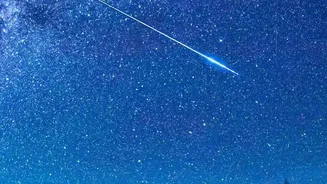

What Exactly Are the Perseids?
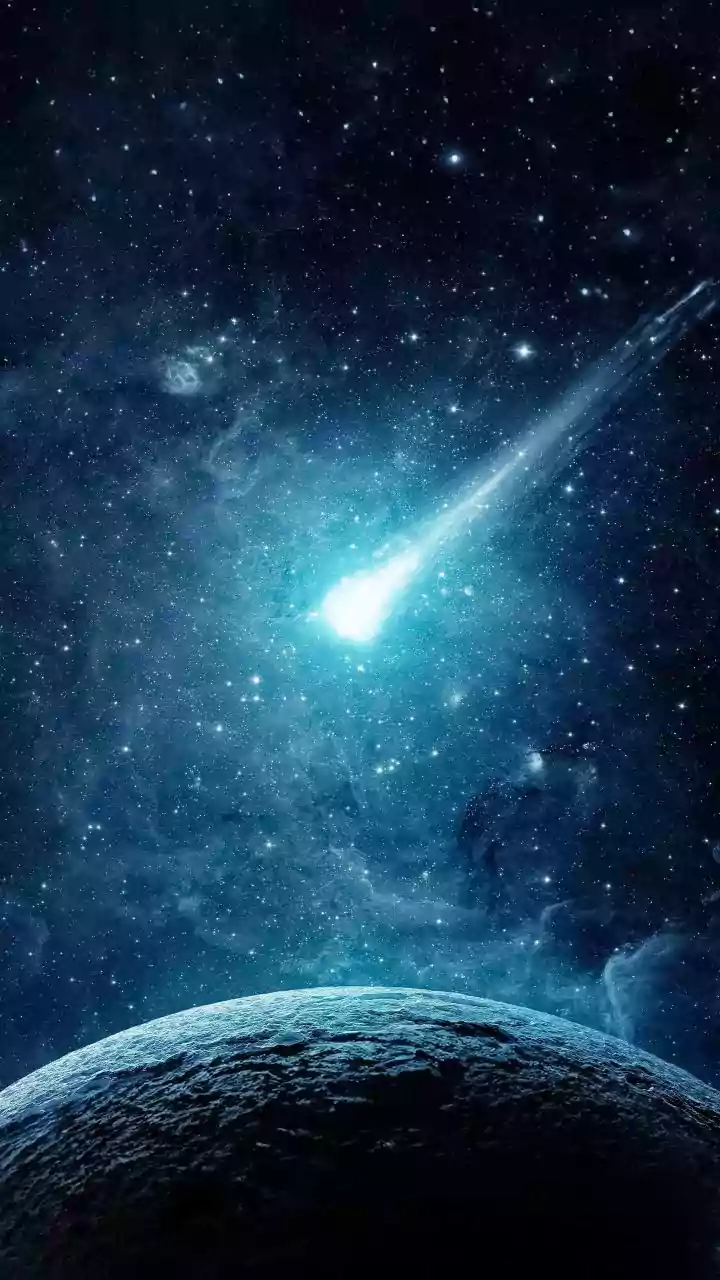
The Perseid meteor shower is an annual event that occurs every summer as Earth passes through a trail of cosmic debris left behind by a comet named 109P/Swift-Tuttle. This comet, which orbits the sun every 133 years, sheds tiny particles of ice and rock.
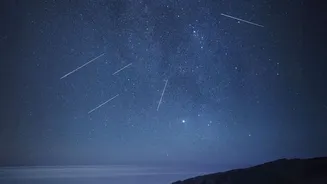
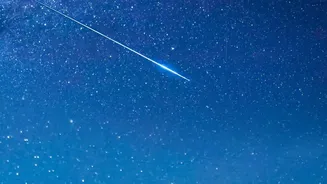
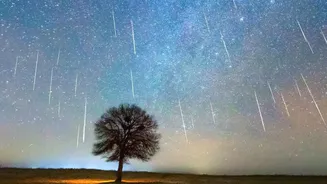
When our planet's orbit intersects with this debris stream, these particles—many no bigger than a grain of sand—slam into our atmosphere at speeds of nearly 60 kilometres per second. The immense friction causes them to heat up and vaporise, creating the brilliant streaks of light we call meteors or “shooting stars.” The shower gets its name because the meteors appear to radiate from a point in the constellation Perseus.
Why This Year's Show Is Unmissable
Stargazers often have to contend with a bright moon, which acts like natural light pollution and washes out all but the brightest meteors. But this year, the peak of the shower on the night of August 12-13 coincides perfectly with the New Moon. This means the sky will be completely dark, offering ideal conditions to see even the faintest shooting stars. In these perfect, moonless conditions, observers in dark locations can expect to see anywhere from 50 to 100 meteors per hour. The monsoon can often play spoilsport with cloud cover in many parts of India, but finding a clear patch of sky this year will be more rewarding than ever.
When and Where to Watch
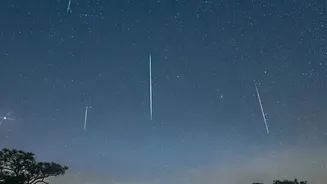
The Perseids are active from mid-July to late August, but the absolute best time to watch will be during the peak, on the night of August 12 and into the pre-dawn hours of August 13. While you can start watching in the late evening, the show gets progressively better after midnight as the radiant point in the Perseus constellation rises higher in the sky. The best viewing will be between midnight and sunrise. You don’t need to look only towards the northeast; the meteors can appear anywhere in the sky, often leaving long, glowing trails. So, a wide-open view is best.
Your Guide to a Perfect Viewing Experience
First and foremost, get away from city lights. The glow from urban areas can drastically reduce the number of meteors you'll see. Head to a rural area, a park, or a designated dark-sky spot. In India, rain-shadow regions like Ladakh, Spiti, and parts of Rajasthan offer the best chances for clear, dark skies during the monsoon season. You don’t need a telescope or binoculars; the naked eye is best for taking in the wide expanse of the sky. Give your eyes at least 20-30 minutes to fully adjust to the darkness. Avoid looking at your phone, as the bright screen will ruin your night vision. Finally, be patient and comfortable. Bring a reclining chair or a blanket to lie on, dress in warm layers, and prepare to spend at least an hour gazing upwards.