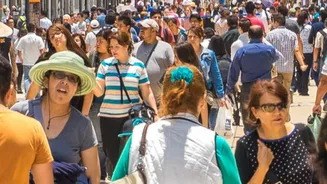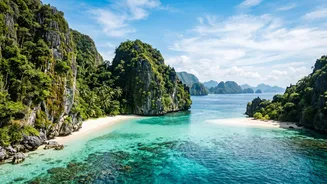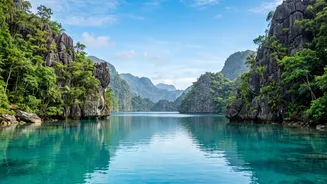





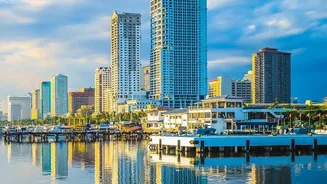
The Philippines offers a dream of paradise: white sand, turquoise water, and stunning limestone cliffs. But the social media image often clashes with the reality of overtourism. So which famed spots might not live up to the hype?
Boracay: Paradise, Regulated
Boracay is a name synonymous
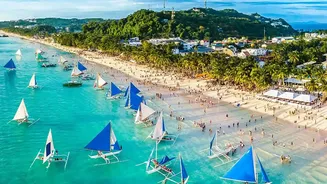
with world-class beaches. Its powdery White Beach is legendary for a reason. Following a six-month government-mandated rehabilitation in 2018 to address environmental degradation, the island reopened with stricter rules. While cleaner, the island still grapples with immense popularity. A daily tourist cap is in place, but during peak seasons, the main beaches can still feel congested, and the vibe is often more commercial hub than serene getaway. The famous 'LaBoracay' parties are a thing of the past, and new rules prohibit drinking or smoking on the beach to maintain cleanliness. Instead of fighting the crowds on White Beach, consider exploring the quieter Diniwid Beach or visiting during the shoulder seasons of May and October for a more peaceful experience.
El Nido, Palawan: The Crowded Lagoons
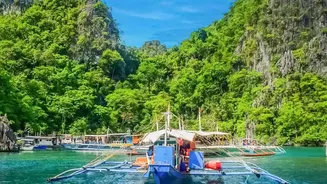
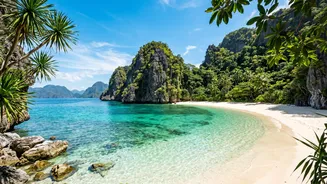
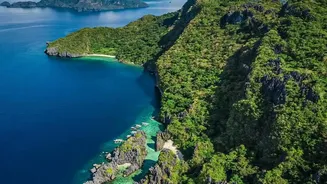
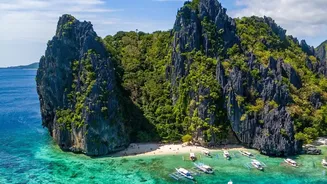
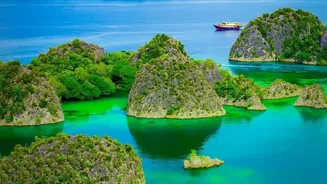
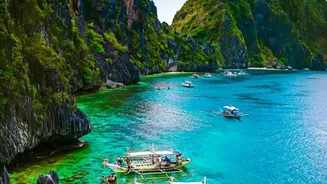
The landscapes of El Nido are genuinely breathtaking. The towering karst cliffs and hidden lagoons of the Bacuit Archipelago are the stuff of travel fantasies. However, the secret is long out. The standardised island-hopping tours, particularly the popular Tour A and Tour C, often result in a flotilla of boats descending on the same spots at the same time. Getting that perfect, solitary photo of the Big Lagoon or Secret Lagoon can be a challenge when you're sharing it with hundreds of other visitors. To escape the feeling of a conveyor belt tour, consider chartering a private boat. It's more expensive, but it allows you to customise your itinerary, visit less-frequented spots, or time your visits to popular lagoons outside of peak hours. Alternatively, base yourself in nearby Port Barton or San Vicente for a more laid-back Palawan experience with pristine nature and fewer crowds.
Oslob, Cebu: An Ethical Dilemma
Swimming with whale sharks is a bucket-list item for many. In Oslob, an encounter is practically guaranteed because local fishermen feed the animals to keep them in the area for tourists. This practice, however, is highly controversial among marine biologists and conservationists. Experts argue that feeding the whale sharks alters their natural migratory patterns, creates a dependency on humans, and can lead to poor nutrition and injuries from boat propellers as they learn to associate boats with food. While it provides income for the local community, the practice raises serious ethical questions about responsible wildlife tourism. For a more ethical encounter, consider visiting Donsol in Sorsogon or Southern Leyte during whale shark season. These locations offer whale shark sightings in their natural habitat without the practice of feeding, providing a more authentic and respectful wildlife experience.
Redefining Your Travel Goals
Calling a place 'overrated' doesn't mean it isn't beautiful. The issue is often the gap between the pristine images we see online and the crowded reality on the ground. The Philippines, an archipelago of over 7,000 islands, offers endless opportunities for discovery far from the main tourist trail. Exploring lesserndown destinations like Siquijor, Romblon, or parts of Panay can lead to more authentic interactions and a greater sense of adventure. Rather than chasing the same 'Top 10' spots, the real magic of travelling the Philippines can be found by venturing off the beaten path and finding your own slice of paradise.