





Start With a Smarter Backpack
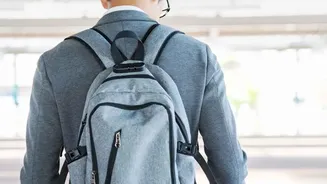
Your first line of defence is the bag itself. While any backpack can be made more secure, investing in one with built-in anti-theft features provides an immediate advantage. Look for bags with lockable zippers, which have interlocking pulls that can be secured
with a small padlock. Some models take this a step further with hidden zippers that rest against your back, making them inaccessible to anyone behind you. Another key feature is slash-resistant material, often a steel mesh embedded within the fabric, which prevents thieves from cutting your bag open. Also, consider backpacks with hidden pockets, especially those placed in the lower back panel. These are perfect for stashing your passport, spare cash, or cards, as they are impossible to reach while you are wearing the pack.
Master the Art of the Lock and Cable
A simple lock on your zipper is a good deterrent, but it won’t stop someone from walking away with your entire bag. This is where a lightweight steel cable lock becomes your most valuable accessory. These flexible cables can be threaded through your zipper pulls and then looped around a fixed object, such as a luggage rack support or a seat leg. This simple action makes a quick grab-and-run theft significantly more difficult. Thieves look for easy targets, and a physically secured bag requires too much time and effort, encouraging them to move on. For maximum effect, lock both zipper pulls together before securing the bag to a fixture; locking just one still leaves the bag vulnerable.
Strategic Placement is Key
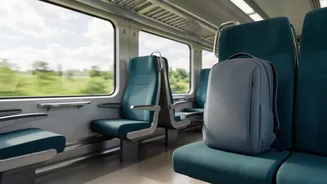
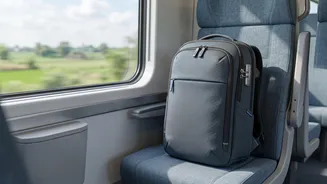
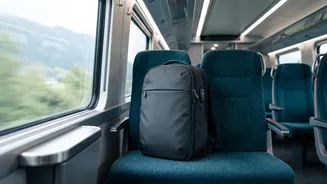
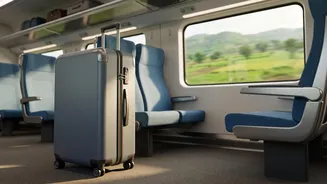
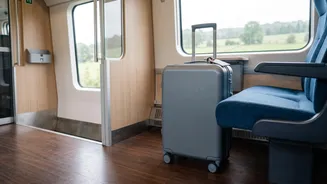
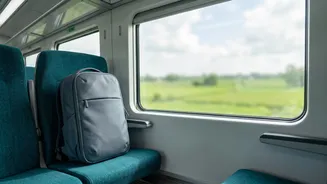
Where you put your backpack on a train matters immensely. If possible, the safest place for your main backpack is in the overhead rack directly above your seat, where you can keep an eye on it. Position the bag with the zippers facing the wall of the train, making them harder for anyone to access quickly without drawing attention. For a smaller daypack containing your most critical items—like your wallet, phone, and travel documents—keep it with you at all times. You can place it on your lap, between your feet, or even use it as a pillow if you’re trying to rest. Never leave your most valuable items in a bag at the end of the carriage or near the doors, as these are prime spots for thieves to strike just before the train departs.
Create Layers of Security
Think of your backpack’s contents in layers. Your most valuable items should be in the most difficult-to-reach places. Don't leave a wallet or phone in an easily accessible outer pocket. Instead, bury them deep inside the main compartment. Using packing cubes can add another small barrier that may frustrate a thief in a hurry. You can also create a digital layer of security. Consider placing a small GPS tracker, like an Apple AirTag or similar device, inside your bag. While this won't prevent theft, it provides the only real chance of recovering a bag if it is stolen. Protecting the data on your devices is also crucial. Ensure your phone and laptop are password-protected. Some anti-theft bags even include RFID-blocking pockets to protect your credit cards and passport from digital skimming.
Your Best Tool: Situational Awareness
Ultimately, no gadget can replace your own awareness. Thieves often observe passengers to identify who is distracted or asleep before making a move. Be particularly vigilant at station stops, which are the most common times for theft to occur. A thief can quickly grab a bag from a rack and slip off the train as the doors are closing. Avoid being deeply engrossed in your phone or wearing noise-canceling headphones, as this marks you as an easier target. Pay attention to your surroundings, make eye contact with fellow passengers, and be aware of anyone who seems to be loitering without purpose. Simply being alert and looking like you are paying attention can be one of the most effective deterrents.