






More Than a Passing Trend
The obsession with Korean skincare in India isn't just a fleeting moment; it's a fundamental shift in how consumers approach beauty. The global K-beauty market is projected to grow significantly, with India becoming a key player. This boom is driven by
a shared philosophy. Both traditional Indian wellness (like Ayurveda) and Korean beauty prioritize natural ingredients and long-term skin health over quick fixes. Ingredients like green tea, turmeric, and aloe vera are common to both cultures, creating a natural bridge of trust for the Indian consumer. This cultural synergy, combined with the visual appeal on social media and the desire for personalized, gentle routines, has made K-beauty's expansion into the mainstream almost inevitable.
The Soothing Power of Cica
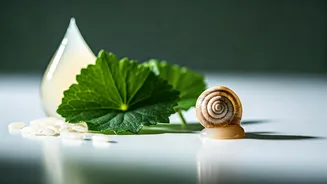
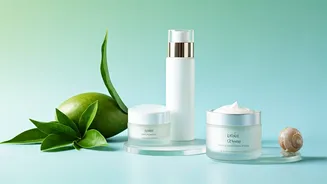
One of the biggest stars of the K-beauty world is Centella Asiatica, more commonly known as Cica or its Indian name, Gotu Kola. This medicinal herb has been a staple in Ayurvedic and Chinese medicine for centuries but has been repopularized by Korean skincare. Known for its powerful healing, anti-inflammatory, and soothing properties, Cica is a blessing for irritated or sensitive skin, which is a common concern in India due to pollution and climate shifts. It helps to calm redness, repair the skin barrier, and even boost collagen production. Now, Indian brands are incorporating this calming hero into serums and creams, making its benefits widely accessible.
The Surprising Benefits of Snail Mucin
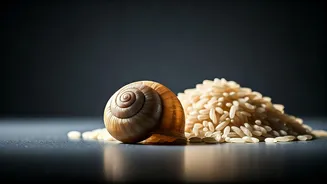
It might sound unusual, but snail mucin has become a holy grail ingredient. This snail secretion filtrate is packed with skin-loving components like hyaluronic acid, glycoproteins, and glycolic acid. Its main claim to fame is its incredible ability to hydrate, promote skin regeneration, and repair a damaged skin barrier. It's particularly effective for those with dry or dehydrated skin and can help fade acne scars and reduce the appearance of fine lines. Initially popularized by brands like COSRX, this unique ingredient is now a must-have in many Indian skincare routines, celebrated for delivering a plump, healthy glow.
The Kitchen Staple: Rice Water
What was once simply drained away after cooking rice has been revealed as a potent beauty secret, long used in Asia. Rice water is rich in vitamins, minerals, and amino acids that offer a range of benefits. It is known for its ability to brighten the skin, even out skin tone, and tighten pores. Its gentle, anti-inflammatory properties also make it suitable for soothing irritated skin. This humble ingredient resonates deeply in India, where rice is a household staple. Seeing it formulated into cleansers, toners, and creams by both Korean and now Indian brands feels both innovative and familiar.
Ginseng: The Rejuvenating Root
Ginseng has been a cornerstone of traditional East Asian medicine for thousands of years, and its inclusion in skincare brings powerful anti-aging benefits. This root is celebrated for its ability to improve blood circulation, which helps to create a more vibrant and balanced complexion. Rich in antioxidants, ginseng protects the skin from environmental damage, boosts collagen production, and helps improve skin elasticity. As Indian consumers become more focused on preventative anti-aging, this revitalizing ingredient is gaining traction in luxury serums and creams that promise to restore a youthful glow.
The Indian Market Responds
The influx of K-beauty hasn't just been about importing products. It has spurred a transformation within the Indian beauty industry itself. Homegrown brands are now launching their own formulations featuring these star Korean ingredients, creating a unique 'Desi Beauty' fusion. This move allows consumers to enjoy the benefits of Korean innovation tailored to Indian skin concerns and weather conditions. From affordable brands found on Nykaa to specialized e-commerce sites like Maccaron, access to authentic K-beauty and its inspired counterparts has never been easier, proving this trend is here to stay.