



Setting the Monsoon Stage
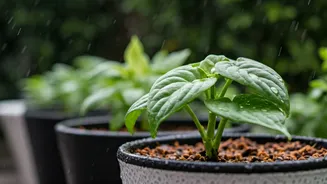
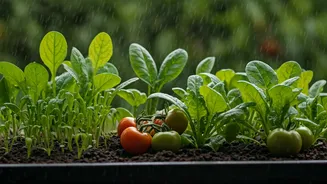
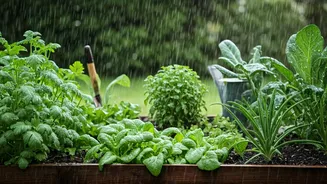
Success with a monsoon garden starts before you even sow a seed. The biggest challenge during this season isn't a lack of water, but an excess of it. Your primary goal is to ensure excellent drainage. Choose pots with plenty of holes at the bottom. Terracotta
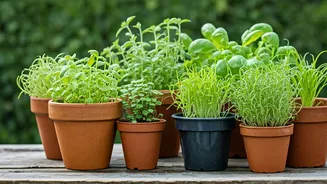
pots are fantastic as they are porous and allow soil to breathe, preventing the waterlogging that plastic pots can cause. For your soil mix, think light and airy. A good formula is one part garden soil, one part coco peat (which retains moisture without becoming soggy), and one part compost or vermicompost for nutrients. Adding a handful of sand can further improve drainage. This foundation prevents root rot, the number one enemy of potted plants during the rainy season.
Coriander: The Delicate Green
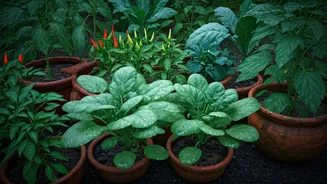
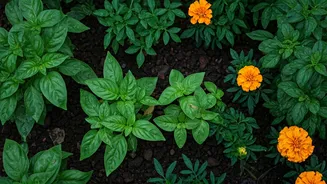
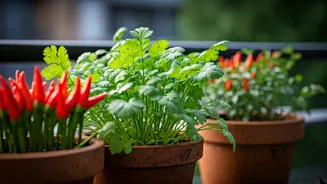
Fresh dhaniya is non-negotiable in an Indian kitchen, but it can be finicky. Coriander hates being transplanted, so it’s best to sow seeds directly into their final pot. Use a wide, shallow pot to give the roots space. Gently crush the whole coriander seeds into two halves before sowing to improve germination rates. Sprinkle them evenly over your prepared soil and cover with a thin layer (about half an inch) of the same mix. Water gently with a spray bottle. The key to monsoon coriander is moderation. It loves the cool, humid weather but detests wet feet. Water only when the top inch of soil feels dry to the touch. It also needs at least 4-5 hours of light, so find the brightest spot on your balcony that is shielded from the heaviest downpours. You can start harvesting leaves in about 3-4 weeks. Snip what you need, and the plant will keep producing.
Chillies: The Fiery Perennial
Unlike delicate coriander, chilli plants are hardy survivors that can give you a harvest for years with the right care. You can grow them from seeds or buy a small sapling from a nursery for a head start. Chillies need deep pots (at least 8-10 inches) to accommodate their root systems. They are sun-lovers, so they require the sunniest corner of your balcony. While monsoon skies are often overcast, they will manage with 5-6 hours of available light. The biggest monsoon-specific risk for chillies is fungal infection, which appears as white powdery mildew on leaves. Ensure good air circulation around the plant and avoid wetting the leaves when you water. Always water the soil directly. Feed your chilli plant with a balanced liquid fertiliser every 15-20 days to encourage flowering and fruiting. With a little patience, you'll soon see those small white flowers that promise a fiery harvest.
Monsoon Pests and Problems
High humidity is an open invitation for pests and diseases. Keep a close eye on your plants. Aphids, mealybugs, and fungus gnats are common. A simple, organic solution is a neem oil spray. Mix a few drops of neem oil with a drop of liquid soap in a litre of water and spray it on the plants every 10-15 days as a preventive measure. If you see signs of fungal growth (black spots or white powder), improve air circulation and reduce watering. Sometimes, the constant cloud cover can make plants 'leggy'—tall and weak with few leaves. While you can't control the sun, you can ensure your plants get every available ray and avoid over-fertilising, which can exacerbate the problem.