








The Urban Health Paradox
Rapid urbanisation in India has triggered a significant health shift. For millions, moving to a city means trading physical labour for sedentary desk jobs and traditional diets for convenient, processed foods. The result is an alarming rise in non-communicable
diseases (NCDs), once considered afflictions of the West. Heart disease is now the leading cause of death, and India has over 100 million people living with diabetes. Hypertension, high cholesterol, and certain cancers are also becoming increasingly common in urban centres. This surge is fueled by a combination of factors: chronic stress from fast-paced city life, a lack of physical activity, and environmental issues like severe air pollution, which contributes to respiratory and cardiovascular problems. More than 60% of all deaths in India are now attributed to NCDs, making this a pressing public health challenge.
The Wellness Wave: An Opportunity for Change
In response to these growing health concerns, a powerful wellness movement is taking hold across urban India. Fitness is no longer a niche pursuit but is becoming a key part of the national consumption basket. The Indian fitness market is booming, projected to more than double from INR 16,200 crore in 2024 to INR 37,700 crore by 2030. This growth is visible in the proliferation of gyms, from value-based chains to high-end boutique studios offering specialised classes like Pilates and MMA. Beyond physical fitness, there's a growing appetite for holistic wellness. This includes everything from a renewed interest in Ayurveda to a surge in demand for organic food, mental health services, and wellness tourism. Technology is a major catalyst, with fitness apps, wearables, and online coaching making health more accessible and integrated into daily life. This cultural shift signifies a move from reactive healthcare to proactive, preventive wellness.
The Hard Limits: Inequality and Infrastructure
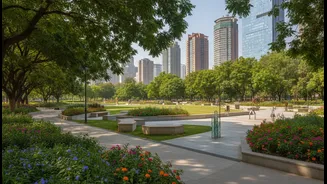
Despite the positive trends, healthy living in urban India remains a privilege for many. Significant barriers, or 'limits', prevent equitable access to wellness. One of the biggest is socio-economic disparity. The poorest urban residents often face worse health outcomes than their rural counterparts, with higher rates of child mortality and diseases like tuberculosis. Accessing healthy options comes at a cost that many cannot afford, be it gym memberships, nutritious food, or even living in a less polluted area. Furthermore, urban infrastructure often works against health. Many Indian cities lack adequate public green spaces, parks, and safe pedestrian infrastructure, discouraging physical activity. Overcrowded living conditions in slums, coupled with poor sanitation and limited access to clean water, create environments where both communicable and non-communicable diseases thrive. Even with the launch of initiatives like the National Urban Health Mission, public primary healthcare infrastructure in cities is often insufficient, forcing many to rely on expensive private care.