



A Zero-Waste Kitchen Revelation
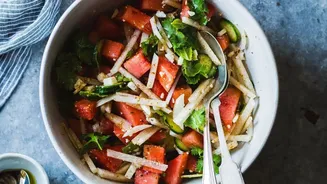
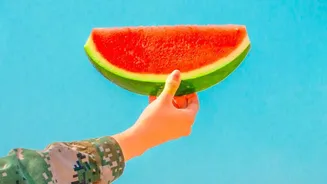
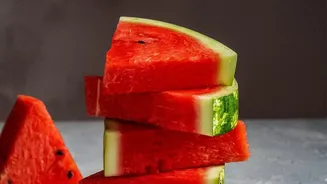
In the world of Indian home cooking, resourcefulness is king. Generations have found ingenious ways to use every part of a plant, and the watermelon is no exception. While we all love the sweet, juicy red flesh, the white part of the rind is often discarded.
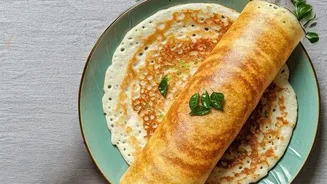
However, in many kitchens, particularly in Konkani cuisine, this rind is a prized ingredient. It's a brilliant example of zero-waste philosophy, transforming a common kitchen scrap into a valuable component for one of India’s most beloved breakfast dishes. By incorporating the rind into your dosa or idli batter, you’re not just reducing waste; you're participating in a tradition of sustainable and creative cooking.
From Rind to Batter: A Simple Guide
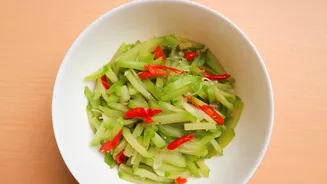
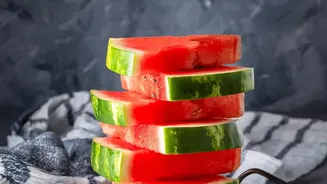
Using watermelon rind is surprisingly straightforward. The next time you enjoy a watermelon, simply save the rind. First, carefully slice off the tough, dark green outer peel, as it is too fibrous and bitter. You are left with the firm, white part. Some people like to leave a tiny sliver of the pink flesh attached for a hint of natural sweetness. Chop this white rind into small pieces. To add it to your batter, grind the pieces into a smooth paste in a mixer, often without needing to add any extra water, as the rind itself is quite juicy. You can then incorporate this paste into your regular dosa batter when you are grinding your soaked rice and dal. A general guideline is to use about one cup of chopped rind for every one to two cups of rice in your recipe.
The Truth About Texture: Crisp or Soft?
Here's where we need to get specific. The headline suggests the rind is a secret to crispness. While many hacks exist for ultra-crispy dosas—like adding rice flour, chana dal, or a pinch of sugar—the effect of watermelon rind is more about versatility. Because the rind adds moisture and has a unique composition, it is often used to create exceptionally soft, spongy, and porous dosas, like the popular Konkani dish 'Surnoli'. However, this doesn't mean you can't make a crisp dosa with it. If you prepare a thinner batter and spread it finely on a hot tawa, you can still achieve a crispy texture. The rind imparts a subtle, unique flavour that doesn't taste of watermelon, but simply enhances the overall taste of the dosa. Think of it less as a crispness-only hack and more as an ingredient that gives you options and a delicious, nuanced flavour.
A Surprising Nutritional Powerhouse
Beyond texture and taste, watermelon rind packs a significant nutritional punch. This humble scrap is a fantastic source of dietary fibre, which is great for digestive health. It’s also loaded with beneficial nutrients, including vitamins A and C, potassium, and vitamin B6. One of its most notable components is citrulline, an amino acid that can help improve blood circulation. By adding the rind to your batter, you are effortlessly fortifying a simple meal with extra vitamins and minerals that would have otherwise ended up in the compost bin. It's a simple, effective way to boost the health quotient of your dosas and idlis without sacrificing flavour.