
Once seen as humble, 'coarse grains', millets like jowar, bajra, and ragi are undergoing a dramatic reinvention. This isn't just a kitchen trend; it's a movement being formalised in India’s top culinary schools, and it’s changing everything.
From 'Poor Man's Food' to Superfood Status
For generations,
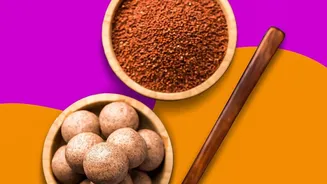
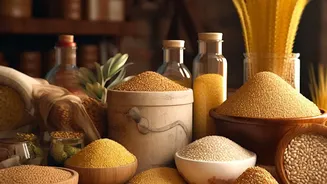
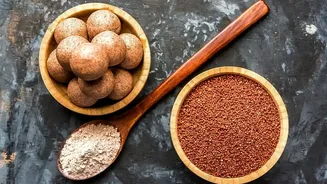
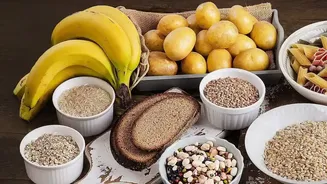
millets were staple foods in many parts of India, particularly in rural and arid regions. They were valued for their resilience but were often overshadowed by the perceived prestige of wheat and polished rice, eventually earning the label of 'poor man's food'. That perception has now completely flipped. Thanks to a global wellness movement and a renewed focus on nutritional science, millets are now celebrated as 'superfoods'. They are naturally gluten-free, rich in protein and fibre, and packed with essential minerals like iron and calcium. This nutritional powerhouse status has driven a surge in consumer demand, which the culinary world is now racing to meet. The United Nations declaring 2023 the 'International Year of Millets', a move championed by India, further cemented their comeback, pushing them into the global spotlight.
The Sustainability Advantage
The push for millets is not just about health; it is also about planetary well-being. These grains are incredibly climate-resilient, a crucial advantage in an era of environmental uncertainty. Millets require significantly less water than rice and wheat—some estimates suggest up to 70% less. They can thrive in arid conditions and poor soil with minimal need for chemical fertilisers or pesticides. For culinary schools training the next generation of chefs, sustainability is no longer an afterthought. Teaching future chefs to cook with ingredients that have a lower environmental footprint is becoming a core part of the curriculum. By championing millets, chefs can contribute to more sustainable agricultural practices, reduce water consumption, and promote biodiversity in our food systems.
Beyond Bhakri: A Culinary Revolution
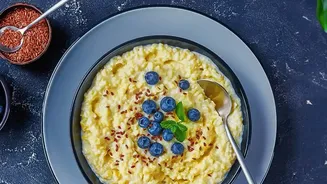
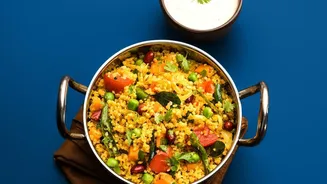
The real game-changer is how chefs are now treating millets. The challenge has always been their texture and the perception that they are difficult to cook with. Culinary schools are tackling this head-on by applying modern, often international, techniques to these ancient grains. Instead of being confined to traditional preparations like rotis or porridge, millets are being transformed. Students are learning to make ragi tacos, bajra mooli parathas, and even barnyard millet sushi. Techniques like fermentation, sous-vide, and baking are unlocking new possibilities. Imagine a creamy kodo millet risotto that uses Kalimpong cheese, a sourdough bread made with millet flour, or delicate pearl millet crêpes. This isn't about replacing the original ingredient but celebrating its unique texture and earthy flavour in new, exciting formats that appeal to a global palate.
Training Chefs for a New Food Economy
Culinary institutes like the Indian School of Hospitality, Culinary Academy of India, and others are adapting their programs to reflect this new reality. They recognise that a modern chef must be versatile, able to innovate while staying connected to their roots. The curriculum is expanding to blend classical French techniques with a deep understanding of indigenous Indian ingredients. Government bodies and research institutes like the Indian Institute of Millets Research (IIMR) are also providing training to popularise millet-based recipes. This training equips chefs to meet evolving consumer demands for healthy, sustainable, and innovative food. It also opens up economic opportunities, with a rising market for value-added millet products like pasta, snacks, and ready-to-eat meals, supported by initiatives like the Production Linked Incentive (PLI) scheme.