

Makhan Mishri: A Taste of Divine Love
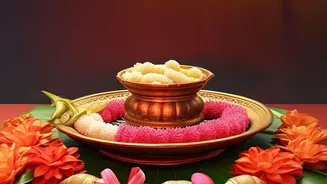
Perhaps the most iconic offering for Janmashtami is Makhan Mishri. This simple, uncooked preparation holds deep significance, symbolising Lord Krishna's childhood love for butter. Stories of him as 'Makhan Chor' or the butter thief are legendary in Hindu
mythology, where he would playfully steal fresh butter from the homes of gopis. Offering Makhan Mishri is a tribute to his playful spirit and love for simple, pure food. It is considered a key part of the 'Chappan Bhog' (56 food items) offered to the deity. The preparation is incredibly straightforward, yet it is the quality of the ingredients that makes it divine. Key Ingredients: Freshly churned white butter (unsalted) and mishri (rock sugar crystals). Some may also add Tulsi (holy basil) leaves as a garnish.
Panchamrit: The Five Nectars
Panchamrit, which translates to 'five nectars', is a sacred concoction used in Hindu worship and offered as prasad. This holy drink is made from five key ingredients, each with its own symbolism: milk for purity, curd for prosperity, honey for unity, ghee for strength, and sugar for bliss. The mixture is considered highly auspicious and is believed to purify not just the body but also the soul. While the core five ingredients are standard, regional variations might include additions like sliced banana, nuts, or Ganga Jal (holy water from the Ganges). It is an essential part of the puja thali for festivals like Janmashtami, Maha Shivratri, and Ganesh Chaturthi. Key Ingredients: Raw cow's milk, curd (yogurt), honey, ghee (clarified butter), and sugar (or mishri). Optional additions include tulsi leaves, sliced nuts, and chironji.
Dhaniya Panjiri: The Fasting Favourite
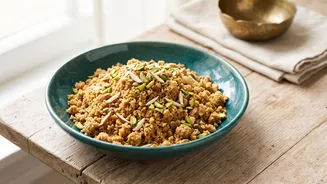
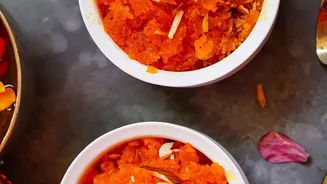
Panjiri is a traditional North Indian sweet that is a staple prasad during Janmashtami, especially for those observing a fast. While some versions are made with whole wheat flour, the variant made specifically for fasting uses roasted coriander seed powder (dhaniya). This is because the consumption of grains is often avoided during the fast. This 'Dhaniya Panjiri' is considered a favourite of Lord Krishna and is valued for its health benefits. Coriander is known to have cooling properties and aids digestion, making it a suitable food for breaking a fast. The aromatic powder is typically mixed with ghee, powdered sugar, and a generous amount of nuts and dried fruits, creating a nutritious and flavourful offering. Key Ingredients: Coriander seed powder (dhaniya), ghee, powdered sugar, and a mix of dry fruits like almonds, cashews, and makhana (fox nuts).
Kheer: The Creamy Classic
No Indian festival feels complete without a serving of kheer, and Janmashtami is no exception. This creamy pudding is a comforting and beloved sweet made across the country. Traditionally prepared with milk, rice, and sugar, it's a dish that signifies celebration and abundance. For Janmashtami, the kheer is prepared to be sattvic, meaning it contains no onion, garlic, or non-vegetarian ingredients. It is slow-cooked until the milk thickens and the rice is soft, then flavoured with aromatic spices and garnished with nuts. It is one of the many milk-based sweets offered to Lord Krishna, reflecting his connection to a pastoral life. Key Ingredients: Full-cream milk, basmati rice, sugar, cardamom powder, and assorted nuts like almonds and pistachios for garnish.
Savouries for the Feast
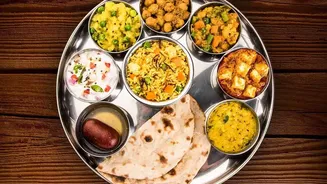
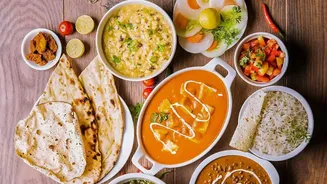
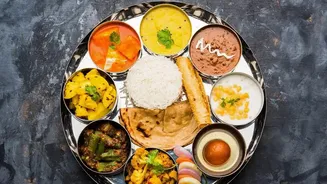
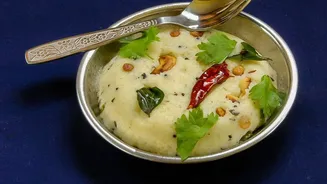
While sweets dominate the Janmashtami bhog, savoury dishes also play an important role, especially for the meal after breaking the fast. Many of these dishes are made with ingredients suitable for fasting (vrat). Sabudana Khichdi, a light dish made from tapioca pearls, peanuts, and mild spices, is a popular choice. Another favourite is Singhare ke Pakode, which are fritters made from water chestnut flour (singhare ka atta) mixed with boiled potatoes and seasoned with sendha namak (rock salt). These savoury preparations provide a delicious contrast to the sweet offerings and help create a balanced festive meal that adheres to traditional fasting rules. Key Ingredients: Sabudana (tapioca pearls), peanuts, potatoes, rock salt (sendha namak), cumin powder, water chestnut flour (singhare ka atta), and ghee for frying.