



Why Monsoon Changes Everything
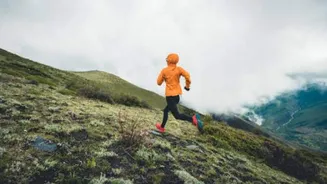
Trekking in the Western Ghats between June and September is a world away from a dry-season hike. The Sahyadri range, primarily composed of volcanic basalt rock, becomes incredibly slippery when wet. Trails can turn into streams, visibility often drops
due to dense fog, and risks like flash floods and swollen river crossings become very real. It is a period when the landscape is at its most picturesque but also its most perilous, demanding respect and thorough preparation. The constant humidity means that getting wet doesn't just mean discomfort; it means staying wet.
Your Waterproof Fortress: Essential Gear
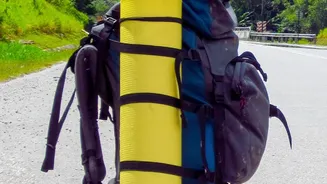
The phrase 'waterproof gear' isn't a suggestion; it's a rule. Start with your outer layer. While a simple poncho can work, a dedicated waterproof jacket and pants with sealed seams offer superior mobility and protection from both rain and wind. Next, protect your backpack. Most rucksacks are water-resistant at best and will not survive a sustained downpour. A well-fitted rain cover is non-negotiable. For ultimate protection, use dry bags or waterproof pouches inside your pack for electronics, a change of clothes, and other critical items.
The Cardinal Rule of Clothing
The single most important clothing rule for monsoon trekking is to avoid cotton entirely. Cotton, including denim jeans, absorbs moisture, takes an extremely long time to dry, and will make you feel cold and chafed. Instead, opt for quick-dry synthetic fabrics like polyester or nylon for your t-shirts and trekking pants. These materials wick moisture away from your skin, helping you stay comfortable even when you sweat in the high humidity or get caught in a shower. Layering with these fabrics allows you to adapt to changing temperatures without carrying bulky, water-logged clothing.
Footwear: Grip is Everything
Your choice of footwear can make or break your trek. Standard sneakers or canvas shoes are dangerous on slippery monsoon trails. You need shoes with excellent grip. While fully waterproof boots sound like a good idea, many seasoned trekkers prefer water-resistant shoes that drain quickly. In constant rain, water inevitably gets in over the top of boots, and a waterproof membrane can trap it inside. Shoes with soft rubber soles and deep grooves provide the best traction on wet rocks and mud. Whatever you choose, ensure they are well broken-in before your trip to prevent blisters.
Dealing with On-Trail Realities
The monsoon brings out the leeches, a simple fact of life in the Ghats. While mostly harmless, they can be a nuisance. Leech-proof socks or gaiters that cover the gap between your pants and shoes are highly effective. A small pouch of salt or a tobacco-water mix can help remove them. Trekking poles are also invaluable, providing extra stability on slippery slopes and helping you gauge the depth of water crossings. They significantly reduce the strain on your knees and boost your confidence on treacherous ground.
The Art of Careful Planning
Great gear is only half the battle. Careful planning is what truly ensures a safe trip. Start by choosing your trail wisely. Many routes that are easy in winter become dangerous during the monsoon. Beginner-friendly trails like Rajmachi (via the Lonavala route) are safer options. Always check the latest weather forecasts before you leave. Inform someone of your itinerary and never trek alone in remote areas. Many trails in the Western Ghats require permits from the forest department, and some have daily limits on the number of trekkers, so book in advance. Hiring a local guide is often the smartest decision, as they possess invaluable knowledge of the terrain, weather patterns, and safe passages.