



Beyond the Monolith of 'Indian Food'
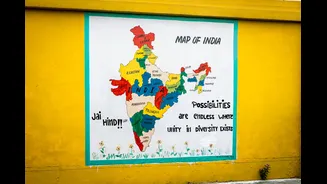
For years, the perception of Indian food, both at home and abroad, was often limited to a handful of popular dishes. Yet, this view overlooks the subcontinent's immense culinary diversity. A new wave of chefs is pushing back against this simplification.
They are championing a 'hyper-local' approach, delving into the specific food traditions of states like Nagaland, Uttarakhand, Rajasthan, and the coasts of Maharashtra and Kerala. This movement is about more than just recipes; it's a reconnection with roots, celebrating the unique produce and cooking wisdom passed down through generations. By doing so, they are proving that luxury isn't an imported truffle, but an heirloom grain from a small farm or a foraged berry from a Himalayan forest.
The Farm-to-Fork Philosophy, Indian Style
The concept of 'farm-to-fork' is gaining significant traction, evolving into a movement for a more sustainable and traceable food system in India. Visionary chefs and hoteliers are building direct relationships with farmers and small producers, or even cultivating their own kitchen gardens, to ensure a supply of fresh, seasonal, and often organic ingredients. This philosophy is a response to a growing consciousness among consumers who want to know the story behind their food and reduce their carbon footprint. Restaurants like Chef Prateek Sadhu's NAAR in Kasauli, for example, build their menus entirely around ingredients that are grown on-site, foraged from the surrounding Himalayan region, or sourced from local farmers. This not only guarantees freshness but also supports local economies and preserves agricultural biodiversity.
Rediscovering Forgotten Ingredients
This culinary exploration has led to the revival of many forgotten or underutilised ingredients. Chefs are foraging for wild greens, sourcing unique spices, and championing indigenous grains and vegetables that had been sidelined in modern cooking. Ingredients like the smoky lichen 'kalpasi' (stone flower), the tangy Bengali spice 'radhuni', and the peppery 'jakhiya' from Uttarakhand are finding their way into contemporary kitchens. Similarly, fruits and vegetables like kokum, karonda berries, and various millets are being celebrated for their unique flavours and nutritional benefits. Chefs have found that the sharp, berry-like acidity of kokum is useful in everything from marinades to sorbets, moving it beyond its traditional use in curries and cooling drinks.
Creativity on the Plate
The use of these ingredients is not about simply recreating old recipes. Instead, chefs are applying modern techniques and a global sensibility to transform them. This 'progressive cuisine' pushes boundaries by experimenting with textures, flavours, and presentation to tell a new story. For example, a classic Dahi Bhalla might be reinterpreted as a savoury pastry, or a mutton curry could be cooked sous-vide for an incredibly tender texture. This innovative approach might see jackfruit treated with the reverence of a steak, lotus root turned into crispy chips, or sea buckthorn used to create a tangy pani puri. It's a balance of respecting tradition while embracing creative evolution, resulting in dishes that are both familiar and surprisingly new.