


The Cold-Pressed Difference
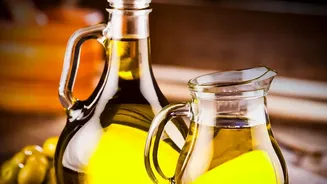
Before we dive into specific oils, it's important to understand what makes cold-pressed oils distinct. Unlike refined oils, which undergo high-heat processing and chemical treatments, cold-pressed oils are extracted using mechanical pressure at low temperatures.
This gentle method ensures the oil retains more of its natural nutrients, antioxidants, colour, and, most importantly, flavour. While refined oils are neutral and have higher smoke points, cold-pressed oils are flavourful ingredients in their own right. Understanding their unique properties is the key to using them correctly and unlocking authentic tastes in your cooking.
Mustard Oil: The Pungent Powerhouse
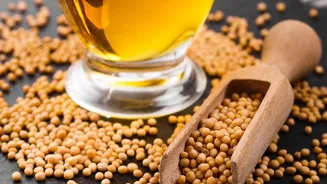
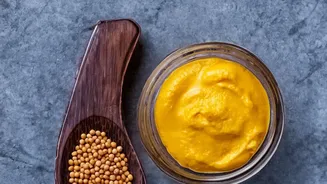
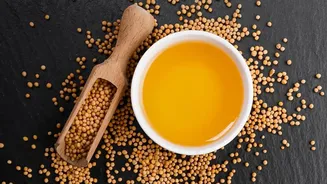
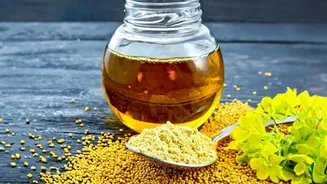
Known for its sharp, pungent aroma and deep golden hue, cold-pressed mustard oil is the soul of Bengali, Bihari, and Punjabi cuisines. It has a relatively high smoke point, around 250°C, making it versatile for various cooking methods. In Bengali cooking, it's the foundation for iconic fish curries like Shorshe Maach (fish in mustard gravy) and vegetable preparations like Shukto. For dishes like Sarson ka Saag from Punjab, its assertive flavour is essential. A common technique is to heat the oil until it just begins to smoke and then let it cool slightly; this mellows its intense pungency before you add other ingredients, making it perfect for creating aromatic tadkas and flavourful marinades.
Best Regional Dishes for Mustard Oil
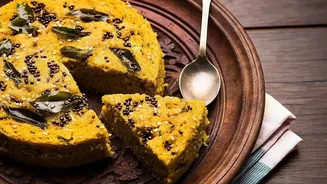
Mustard oil's bold flavour is not meant to be hidden. It shines in dishes where its pungency can complement other strong ingredients. In Bengal, it is indispensable for the famous Sorshe Ilish, a Hilsa fish curry where the oil enhances the creamy, sharp mustard paste gravy. It is also the traditional medium for making pickles across North India, as its natural preservative properties and flavour are ideal. For a classic vegetarian option, try making Aloo Posto, where the oil’s sharpness balances the mild, nutty flavour of the poppy seed paste. Even a simple Baingan Bharta gets a smoky depth when prepared with mustard oil.
Sesame Oil: The Aromatic Finisher
Often called gingelly oil or nalla ennai in South India, cold-pressed sesame oil has a rich, nutty aroma and a slightly bitter, earthy flavour. With a moderate smoke point of around 177°C, it's less suited for deep frying but perfect for tempering, sautéing, and as a finishing oil. Its distinct taste is central to many South Indian dishes. It is the preferred oil for making tamarind-based gravies like Vatha Kuzhambu and for tempering spices for sambar and rasam. A drizzle of raw sesame oil over hot idlis served with milagai podi (gunpowder) is a classic combination, adding a layer of flavour that neutral oils cannot replicate.
Best Regional Dishes for Sesame Oil
Sesame oil's unique character makes it a star in specific preparations. It is fundamental to the tangy and spicy rice dish Puliyodarai (tamarind rice), where it is used to prepare the flavour base. In Karnataka, tangy gojju curries often use sesame oil to balance the other flavours. It is also used to make various chutneys and pickles due to its preservative qualities and ability to round out the heat from chillies. For snacks, the dough for crispy murukku is often prepared with a tablespoon of sesame oil to add flavour and improve texture.
Groundnut Oil: The Versatile Fryer
Cold-pressed groundnut oil, with its mild, nutty aroma, is a fantastic all-rounder in the kitchen, especially in Western and Southern India. It has a relatively high smoke point for a cold-pressed oil, generally cited between 160°C to 230°C, making it one of the best traditional options for frying. This stability makes it ideal for preparing snacks like pakoras, bhajiyas, and samosas, yielding crispy results without the heaviness associated with some other oils. In Maharashtrian and Gujarati kitchens, it is a staple for tempering dals and preparing everyday vegetable stir-fries (sabzis). Its flavour is subtle enough not to overpower dishes, but present enough to add a pleasant, rounded nuttiness.
Best Regional Dishes for Groundnut Oil
Groundnut oil's utility shines in high-heat cooking. It is the perfect choice for deep-frying festive snacks, ensuring they come out crisp and golden. In Gujarat, the vaghar (tempering) for dal is often made with groundnut oil, where its warmth complements the sweet and sour notes of the dish. For a South Indian-style bhindi fry, using groundnut oil helps sear the okra quickly at a high temperature, preventing it from becoming slimy. It is also the natural choice for making peanut chutney, creating a cohesive flavour profile where the oil echoes the primary ingredient.