



Why Hydroponics Is a Game-Changer
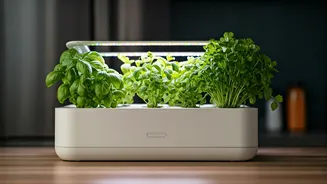
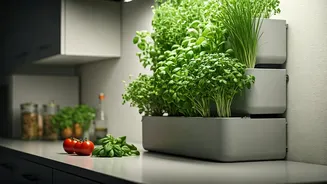
Forget messy bags of soil and windowsill pots that never seem to get enough light. Hydroponics is a method of growing plants without soil, using a water-based solution rich in mineral nutrients. For a countertop herb garden, this approach is transformative.
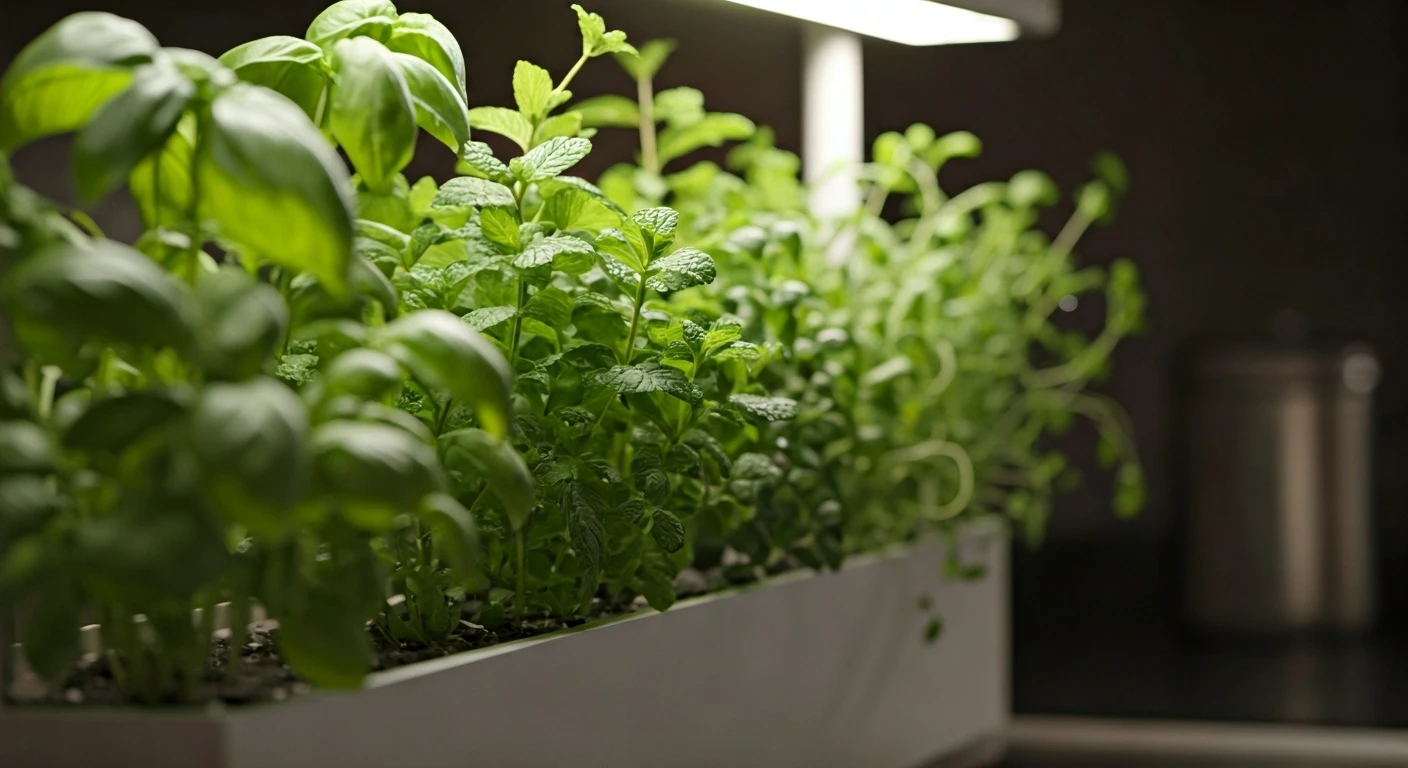
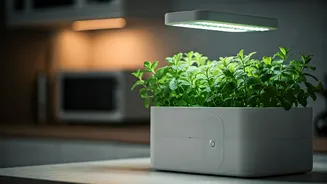
Plants often grow faster because nutrients are delivered directly to their roots, eliminating the energy they’d spend searching for food in soil. This controlled environment also means fewer pests, no soil-borne diseases, and less mess on your counter. A compact hydroponic kit essentially creates a perfect, self-contained ecosystem for your mint, providing consistent water, nutrients, and light, regardless of the season or the weather outside.
Choosing Your Countertop Kit
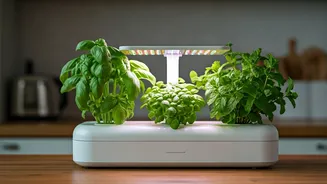
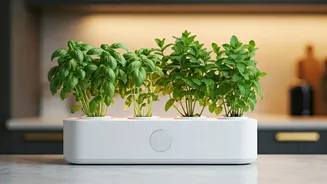
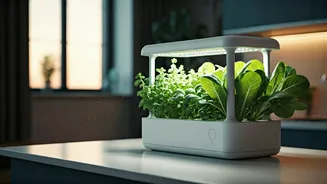
Countertop hydroponic systems range from simple, passive setups to more advanced, automated ones. For a beginner, the choices can seem overwhelming, but they boil down to a few key features. Look for a kit with a built-in, full-spectrum LED grow light. This is the most crucial element, as it replaces the need for a sunny window and ensures your mint gets the 12-16 hours of light it needs to thrive. Next, consider the system type. Many popular kits (like AeroGarden or iDOO) are active systems with a small, quiet water pump that circulates water and oxygen, which is ideal for root health. Simpler, non-electric "Kratky" method kits also work but may require more monitoring. Finally, check the number of pods or growing sites. A 3-to-6 pod system is plenty for a robust supply of mint without hogging counter space.
Getting Started: Seeds vs. Cuttings
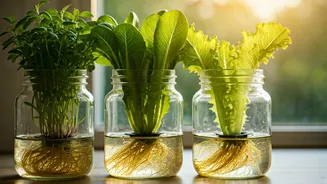
Once you have your kit, you have two main options for starting your mint. You can use seeds, which are often included with the kit, or you can use cuttings from a store-bought bunch of fresh mint. Growing from seed is straightforward but can take a few weeks to yield a usable harvest. For a nearly instant garden, the cutting method is fantastic. Simply take a few healthy 4- to 5-inch stems of mint, remove the lower leaves, and place each stem in a pod so the bottom inch is submerged in the system's water reservoir. Within a week or two, you’ll see new roots forming, and shortly after, new leaf growth. This technique not only jump-starts your garden but is a great way to recycle and propagate herbs you already have.
Tips for a Lush, Endless Harvest
Mint is a vigorous grower, and with hydroponics, it can almost grow too well. The key to a healthy, bushy plant is regular harvesting. Don't be shy about trimming it! Pruning the top sections of the tallest stems encourages the plant to grow outwards, creating a fuller, more productive plant instead of a few long, leggy stalks. Aim to harvest about a third of the plant at a time. Also, keep an eye on the water level and follow the kit’s instructions for adding liquid plant food, typically every two weeks. Most kits have an indicator light to remind you. Finally, remember that mint roots can grow aggressively. Every month or two, it’s a good idea to lift the grow deck and trim the root mass if it looks like it’s becoming overgrown and tangled.
Common Pitfalls to Avoid
While countertop hydroponics is largely foolproof, a few issues can pop up. The most common is algae, a green film that can develop on the grow sponges due to the constant presence of light, water, and nutrients. Most kits come with small covers to block light from hitting the sponges, which is the best way to prevent it. If you see algae, you can gently wipe it away. Another potential issue is letting the water reservoir run dry, which can quickly damage or kill your plants. Set a weekly reminder to check the water level until you get a feel for your kit's rhythm. Lastly, resist the urge to overcrowd your system. Planting mint in just one or two pods will give it the space it needs to flourish into a large, healthy plant that produces more than you’ll know what to do with.