






What is the Push Pull Legs Split?
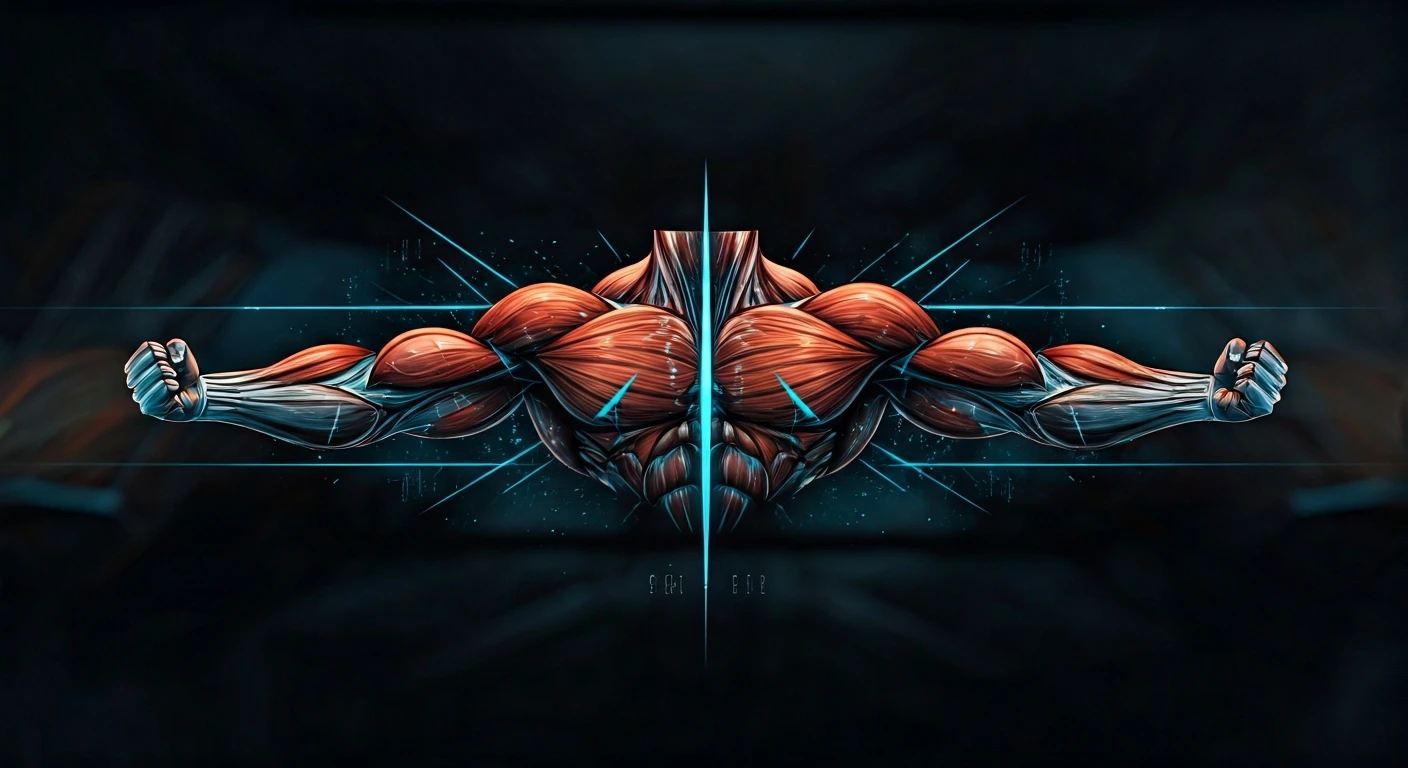
The Push Pull Legs (PPL) split is a popular and time-tested training method that divides your workouts into three distinct days, each focusing on a specific movement pattern. Instead of training random body parts, PPL groups muscles that naturally work together.
The structure is simple: one day is for upper body “pushing” muscles, another for upper body “pulling” muscles, and a third is dedicated to your legs. This logical separation prevents overlap issues common in other workout splits and allows for efficient, focused training sessions.
The Core Benefits: Efficiency and Recovery
One of the biggest advantages of the PPL split is how it optimizes recovery. When you have a dedicated push day, your pulling muscles are resting. Similarly, your entire upper body gets a break on leg day. This structure gives each muscle group ample time to repair and grow before it’s trained again, which is crucial for avoiding overtraining and building strength sustainably. Furthermore, it’s an incredibly efficient way to train because all related muscle groups are worked in the same session. For example, compound pushing movements like the bench press engage the chest, shoulders, and triceps simultaneously, creating maximum synergy.
Structuring Your Push Day
A “push” workout trains all the upper body muscles you use to push weight away from you. This primarily includes the chest, shoulders (deltoids), and triceps. A well-rounded push day typically starts with a heavy compound movement to engage multiple muscles at once, followed by accessory exercises to isolate specific ones. **Sample Push Exercises:** * **Barbell or Dumbbell Bench Press:** A foundational chest builder. * **Overhead Press (Military Press):** The primary movement for building shoulder strength. * **Incline Dumbbell Press:** Targets the upper chest and shoulders. * **Lateral Raises:** Isolates the side deltoids for broader shoulders. * **Triceps Pushdowns or Dips:** Focuses on strengthening the triceps.
Mastering Your Pull Day
A “pull” workout targets the muscles used to pull weight toward your body. This means you'll be focusing on your entire back (including lats, traps, and rhomboids) and your biceps. Just as with push day, these muscles are often engaged together in natural pulling motions, making it logical to train them in the same session. **Sample Pull Exercises:** * **Deadlifts or Barbell Rows:** Compound movements for building overall back thickness and strength. * **Pull-Ups or Lat Pulldowns:** Excellent for developing V-taper and lat width. * **Seated Cable Rows:** Targets the mid-back, which is crucial for posture. * **Face Pulls:** A key exercise for shoulder health and hitting the rear deltoids. * **Bicep Curls (Barbell or Dumbbell):** An isolation exercise for building arm strength and size.
Building Your Leg Day
Leg day in a PPL routine is straightforward: you train your entire lower body. This includes the major muscle groups of the quadriceps, hamstrings, glutes, and calves. Strong legs are the foundation for overall athleticism and power. A balanced leg workout should include exercises that focus on squatting, hinging, and single-leg movements. **Sample Leg Exercises:** * **Back Squats:** The quintessential exercise for overall leg development. * **Romanian Deadlifts (RDLs):** Specifically targets the hamstrings and glutes. * **Lunges or Bulgarian Split Squats:** Improves balance and works each leg independently. * **Leg Press:** Allows you to move heavy weight to build quad and glute mass. * **Calf Raises:** Isolates the calf muscles for complete lower leg development.
Putting It All Together: A Sample Schedule
The PPL split is highly flexible and can be adapted to your schedule. Beginners often start with a 3-day split, which provides excellent results with plenty of recovery time. As you advance, you can move to a 5-day or 6-day split to increase training frequency. **Classic 3-Day Split Example:** * **Monday:** Push * **Tuesday:** Rest * **Wednesday:** Pull * **Thursday:** Rest * **Friday:** Legs * **Saturday/Sunday:** Rest This schedule ensures each muscle group is trained once per week, making it a great starting point for anyone new to structured lifting.