







A Nation Takes Flight
India's aviation sector is undergoing a massive transformation. With a rapidly growing middle class and increasing economic activity, the demand for air travel has skyrocketed. To meet this surge, the government and private sector are heavily investing
in creating new airports and expanding existing ones. This isn't just about adding more runways; it's about decentralizing air travel, reducing the burden on over-congested metro airports, and unlocking economic potential in Tier-2 and Tier-3 cities. The latest chapters in this story are being written in Navi Mumbai and Indore, two strategic locations poised to become major international gateways.
Navi Mumbai: Easing the Burden on Mumbai
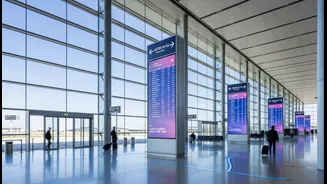
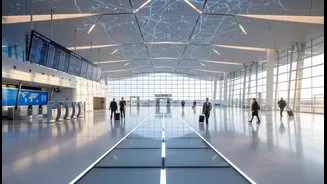
For decades, Mumbai's Chhatrapati Shivaji Maharaj International Airport (CSMIA) has been one of the world's busiest single-runway airports, operating at near-maximum capacity. The much-awaited Navi Mumbai International Airport (NMIA) is the answer to this congestion. After beginning domestic operations in late 2025, NMIA is set to commence international flights from July 15, 2026. Air India Express will launch the inaugural international route to Abu Dhabi, with IndiGo also slated to start overseas services. This marks a major milestone, providing a crucial second airport for the Mumbai Metropolitan Region. Designed to be a world-class facility, NMIA will offer travelers state-of-the-art amenities and significantly reduce travel times for residents of Navi Mumbai, Pune, and surrounding areas. The airport's phased expansion aims to handle millions of passengers annually, positioning it as a key driver for economic growth, tourism, and real estate in the region.
Indore: Central India's Direct Link to the World
While Navi Mumbai builds a new hub, Indore's Devi Ahilya Bai Holkar Airport is a story of strategic expansion. As the busiest airport in Central India, it is cementing its status as a vital international access point for Madhya Pradesh. After a temporary suspension of overseas flights, international services are resuming from July 15, 2026, with a new Air India Express flight to Abu Dhabi. This new route, operating four times a week, is more than just a replacement for a previous Sharjah service; it connects the region to a major global transit hub. From Abu Dhabi's Zayed International Airport, travelers from central India can access seamless connections to over 80 cities across Europe, North America, and the Middle East, often without needing a layover in crowded Indian metros like Delhi or Mumbai. This direct connectivity is a game-changer for business, tourism, and the large diaspora from the region.
More Than Just Terminals: The Ripple Effect
The development of these airports is about much more than passenger convenience. They are powerful economic engines. The construction and operation of an airport create thousands of direct and indirect jobs in aviation, hospitality, logistics, and retail. Furthermore, improved connectivity makes a region more attractive for investment, boosting local industries and trade. The presence of a modern airport can lead to the development of 'aerotropolis' zones, where commercial and residential real estate values appreciate, and new business parks and hotels emerge to serve the influx of travelers and commerce. Both Navi Mumbai and Indore are set to experience this ripple effect, transforming their local economies and improving the quality of life for their residents.
The Future of Indian Aviation
The expansion in Navi Mumbai and Indore is part of a larger national vision to have over 200 operational airports by 2025, enhancing connectivity across the length and breadth of the country. This strategy focuses on a hub-and-spoke model where new international gateways like NMIA can handle long-haul traffic, while regional airports like Indore feed passengers into these hubs and also provide direct point-to-point international access. For the average Indian traveler, this means more choices, competitive fares, and less time spent in transit. As these new gateways open up, they don't just put new cities on the global map; they bring the world closer to millions of Indians.