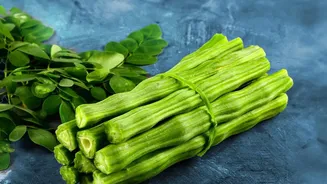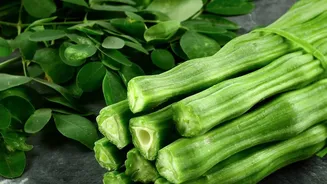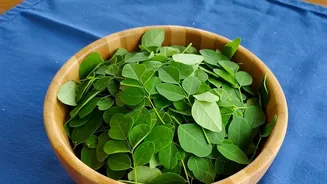


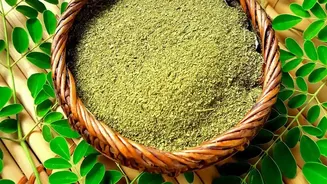

Moringa, often called the 'drumstick tree', is praised for its nutritional benefits. But how do you use this green superfood without overhauling your kitchen? Here’s a simple guide to incorporating moringa powder into the meals you already love.
Understanding the 'Miracle Tree'
Before
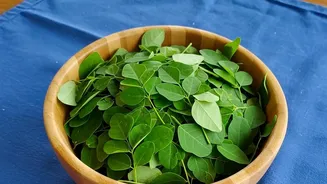
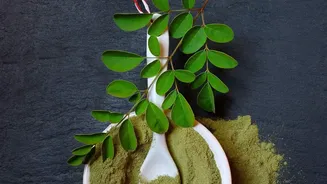
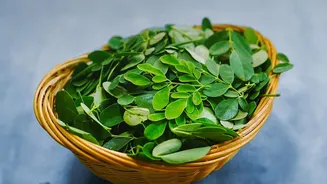
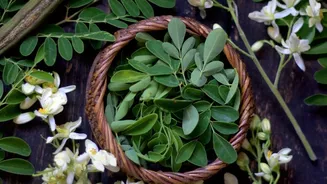
you start adding moringa to everything, it helps to know what you are working with. Moringa powder is made from the dried leaves of the Moringa oleifera tree, an ingredient long used in Indian homes, especially in the South. The powder is packed with vitamins, minerals, and plant-based protein. Its taste is distinctly earthy and grassy, similar to spinach or matcha green tea, with a slightly peppery or bitter finish. This flavour profile is key; it means moringa works best when it is blended with other ingredients rather than being the star of the show. Think of it as a nutritional booster, not the main event.
The Golden Rules of Cooking with Moringa
To get the most out of your moringa powder, a few simple rules apply. First, start small. A little goes a long way, and its strong flavour can be overpowering. Begin with just a quarter or half teaspoon per serving and see how you like it. Second, timing is everything. High heat can reduce some of moringa's heat-sensitive vitamins, like Vitamin C. For maximum nutritional benefit, stir it into your dishes towards the end of cooking or just before serving. Finally, pair it wisely. Moringa's earthy notes are balanced well by fats like ghee or coconut oil, and sour ingredients like lemon, tamarind, or yogurt. This is why it blends so seamlessly into many traditional Indian recipes.
Upgrade Your Dals and Curries
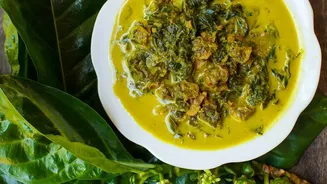
One of the easiest ways to use moringa is in lentil dishes. Whether you are making a simple tadka dal, a hearty sambar, or a tangy rasam, moringa powder can be stirred in right at the end. After your dal is cooked and the heat is off, simply mix in half a teaspoon of the powder until it dissolves. The robust flavours of garlic, onion, and spices in the tadka easily mask moringa's green taste. This method has been used in South Indian cooking for ages, where fresh moringa leaves are a common addition to dals and kuzhambu. The powder simply makes this tradition more convenient for a modern kitchen.
Enrich Your Rotis and Breads
Another fantastic way to weave moringa into your diet is by adding it to dough. When preparing the flour for rotis, parathas, theplas, or even dosa and cheela batter, just mix the moringa powder into the dry ingredients first. Adding one or two teaspoons to your regular batch of atta will distribute it evenly, preventing green clumps and ensuring a consistent, mild flavour. The colour will be a gentle green, and the taste is often unnoticeable, especially if you are serving it with a flavourful sabzi or curry. This is a great way to boost the nutritional value of your daily bread without any extra effort.
Blend it into Drinks and Raitas
Beyond cooked meals, moringa shines in uncooked preparations. Blending a quarter to half a teaspoon into your morning smoothie is a classic option; fruits like banana and mango are excellent for masking its earthy flavour. For a more traditional Indian approach, try stirring it into a glass of buttermilk (chaas) or a bowl of yogurt (curd). The tanginess of the curd or chaas effectively neutralises any bitterness. You can also add it to raitas, chutneys, and dips. A sprinkle of moringa in a cucumber raita or a mint chutney adds a nutritional kick that no one will even notice is there.
Finally, don't underestimate the power of a simple sprinkle. Think of moringa powder as a finishing herb. You can dust it over scrambled eggs (bhurji), sprinkle it on salads, or stir it into a warm bowl of soup just before eating. This technique adds the nutrients with minimal heat exposure and allows you to control the amount with precision. It is a simple habit that turns any meal into a slightly more nutritious one. From breakfast to dinner, moringa powder proves to be a versatile and convenient addition to the Indian kitchen.