






Bengaluru's Secret: The Monsoon Advantage
For gardeners in Bengaluru, the arrival of the southwest monsoon from June to September is the most anticipated event of the year. This period is known as the primary rain-fed planting window. The cooler temperatures, higher humidity, and naturally moist
soil create the perfect conditions for seeds to germinate and saplings to establish strong roots. According to horticulture experts, the survival rate of plants is significantly higher during these months compared to the hot, dry season. This natural cycle does half the work, reducing the need for constant watering and creating a nurturing environment for new growth. The principle is simple: work with the weather, not against it.
Lesson One: Master Your Timing
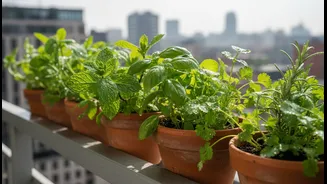
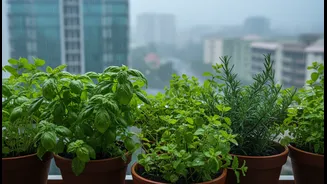
The key takeaway from Bengaluru's gardeners is the importance of timing. For your balcony herbs, this means identifying the start of your local rainy season as the prime time to start planting. The monsoon offers free, regular watering and a respite from the scorching summer heat, giving delicate herbs like coriander, mint, and basil their best shot at a strong start. Annual herbs, in particular, benefit from being sown in spring and summer. Even if you miss the first few weeks, the entire monsoon period provides favourable growing conditions. The goal is to let the season’s natural moisture and moderate temperatures nurture your plants through their critical initial growth phase.
Lesson Two: Choose Monsoon-Happy Herbs
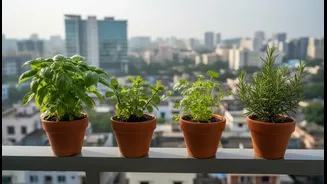
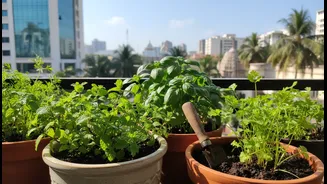
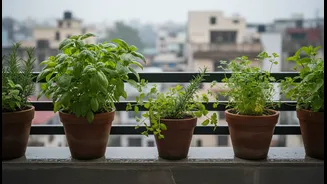
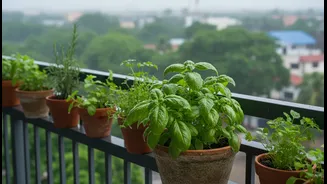
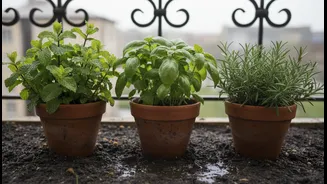
Not all herbs react to the constant moisture of the monsoon in the same way. The best choices are those that thrive in humidity. Mint (Pudina) is a champion, as it loves moisture and can even tolerate partial shade. Tulsi (Holy Basil) is another resilient option that does well, though it appreciates a spot with ample sunlight. Coriander (Dhania) and Lemongrass also flourish during this time. These herbs are not only adapted to the climate but are also staples in Indian kitchens, making them rewarding choices for a beginner’s balcony garden. It's best to keep aggressive spreaders like mint in their own separate pots to prevent them from taking over.
Lesson Three: Prepare for Rain, Not Just Sun
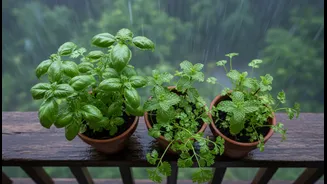
A successful monsoon garden is built on excellent drainage. Unlike summer gardening where the challenge is keeping plants watered, the monsoon challenge is preventing them from drowning. Ensure every pot has clear drainage holes at the bottom. Using a light, well-draining potting mix—a combination of garden soil, compost, and cocopeat or sand—is crucial to prevent waterlogging and root rot. It’s also wise to elevate your pots on bricks or stands to allow excess water to escape freely. If your balcony is exposed to heavy downpours, consider moving more delicate plants to a sheltered spot to avoid damage to their leaves and stems.
Lesson Four: Adapt Your Care Routine
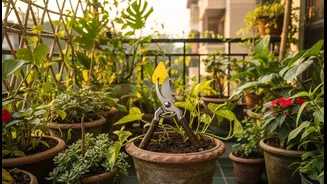
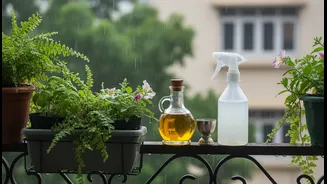
During the monsoon, you'll need to adjust your habits. Water your plants only when the top inch or two of soil feels dry to the touch; the rain will handle the rest on most days. High humidity and constant dampness can invite fungal diseases and pests. To combat this, ensure good air circulation by not overcrowding your pots. Regularly prune your herbs, removing any yellowing leaves or overgrown branches to encourage healthy, bushy growth and improve airflow. A preventive spray of organic neem oil can also help keep pests and fungal issues at bay.