





Vande Bharat Gets a Sleeper Upgrade
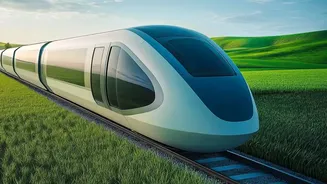
The flagship Vande Bharat Express, known for its speed and comfort in a chair-car format, is receiving a major update with the introduction of sleeper versions. These new trains are designed for long-distance overnight routes, combining the speed of the Vande Bharat platform
with the comfort of sleeper berths. One of the first services to be launched is the Bengaluru-Mumbai route, which is expected to cut the journey time between the two financial hubs from around 22-24 hours to just 16 hours. The 16-coach trains will feature a mix of AC First, AC Two-Tier, and AC Three-Tier coaches, with a total capacity of 823 berths. Passengers can expect premium, aircraft-inspired interiors, including cushioned berths, personal charging points, individual reading lights, and adjustable air-conditioning vents for each berth. This move marks a significant step in offering a faster, more comfortable alternative to existing long-haul trains.
Second Vande Bharat Enhancement
Beyond just introducing sleeper versions, Indian Railways is also working on expanding the capacity of future Vande Bharat trains. Plans are underway to develop a 24-coach Vande Bharat sleeper train, a significant increase from the current 16-coach configuration. These larger trainsets, targeted for a 2027 rollout, will also include a pantry car, a feature not present in the initial sleeper models, allowing for hot meals to be prepared and served onboard. This expansion is part of a broader strategy to manufacture and deploy over 200 Vande Bharat sleeper trains across the country, catering to the high demand for comfortable overnight travel on major routes. This reflects a dual approach: introducing new sleeper services now while simultaneously planning for higher-capacity versions to serve more passengers in the future.
New Connectivity in Chhattisgarh
In a historic development for regional connectivity, Indian Railways has connected Chhattisgarh's remote Rowghat area to the rail network for the first time since Independence. This was achieved with the completion of the 95-km Dalli-Rajhara–Rowghat railway line. To coincide with this new infrastructure, two new passenger services have been launched: the Raipur-Rowghat MEMU and a service on the newly broad-gauged Abhanpur-Kurud section. These trains provide a crucial link for residents in previously isolated parts of the state, connecting them to the capital, Raipur. The new services are expected to boost access to education, healthcare, and economic opportunities for people in the Bastar region.
Route Extensions for Better Access
As another key service upgrade, Indian Railways has extended the routes of several existing trains to improve connectivity. One notable example is the extension of the Sabarmati–Jammu Tawi Express all the way to Shri Mata Vaishno Devi Katra. This provides a direct, seamless connection for pilgrims and other travellers from Gujarat to the base town for the Vaishno Devi shrine, eliminating the need to change trains at Jammu Tawi. Such extensions are part of a wider strategy to optimize the railway network, providing more direct travel options and making journeys more convenient for passengers on high-demand routes. Other new train services have also been approved, including a Haridwar-Veraval AC Express, further expanding the network.
Modernising Stations Under Amrit Bharat
The third major service enhancement is not on the tracks but at the stations themselves. Under the ambitious Amrit Bharat Station Scheme, Indian Railways is redeveloping over 1,300 stations across the country into modern, world-class hubs. The scheme focuses on improving passenger amenities, including better waiting halls, clean toilets, wider foot-over-bridges, improved accessibility for Divyangjan (persons with disabilities), and better integration with cities. With over 150 stations already completed, passengers are beginning to experience the benefits of this nationwide upgrade. The master plans for these stations also include provisions for executive lounges, spaces for business meetings, and kiosks for local products, aiming to transform railway stations into vibrant city centres.