




Coverage for Natural Calamities
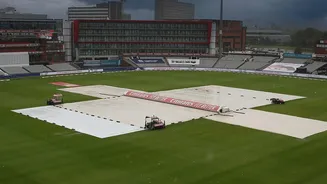
The most significant risk during monsoon is disruption from natural events. Verify that your policy explicitly covers events like floods, landslides, and cyclones, which are common during this season. Many insurers classify these as 'natural disasters',
but the definition can vary. Some policies might exclude specific events, so it's crucial to read this section carefully. A key detail to check is the 'unforeseen' clause. If you purchase insurance after a weather warning for your destination has already been issued, any claims related to that event will almost certainly be rejected. To be safe, always buy your policy well in advance of your travel dates.
Trip Cancellation vs. Trip Interruption
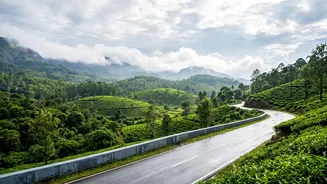
It's vital to understand the difference between these two benefits. Trip Cancellation coverage applies before your journey begins. It reimburses you for non-refundable, pre-paid expenses like flights and hotels if you have to cancel your trip for a covered reason, such as your destination becoming uninhabitable due to floods. Trip Interruption, or curtailment, applies after you've already departed. This is crucial for monsoon travel. If a landslide blocks the road and you have to cut your trip short and return home, this benefit can cover the costs of your unused hotel nights and your journey back. Check the limits and conditions for both.
Monsoon-Related Medical Emergencies
The rainy season sees a spike in vector-borne diseases like dengue and malaria, as well as other water-borne infections. While your domestic travel insurance should cover emergency hospitalisation, it's worth double-checking the specifics. Ensure there are no exclusions for illnesses prevalent during the monsoon. Another non-negotiable feature, especially if you're travelling to hilly or remote regions, is emergency medical evacuation. This covers the high cost of transporting you to the nearest suitable hospital, which can be a lifesaver when local clinics are not equipped to handle a serious illness or injury.
Flight Delays and Missed Connections
Flight delays are a common headache during the monsoon. Most travel insurance policies offer coverage for this, but it doesn't kick in immediately. You'll need to check the specified waiting period, which is typically between four and twelve hours. Once this period is crossed, the policy will reimburse you for reasonable expenses incurred, such as meals, refreshments, and sometimes even accommodation if the delay is overnight. Keep all your original receipts, as you will need them to file a claim. You will also need a formal certificate from the airline stating the reason and duration of the delay.
The Adventure Sports Add-On
Monsoon treks and white-water rafting are popular activities, but they come with elevated risks. It's a common misconception that standard travel insurance will cover accidents during these pursuits. In reality, almost all base policies explicitly exclude 'hazardous' or 'adventure' activities. To be covered for a trekking injury or a rafting mishap, you must purchase a specific adventure sports add-on or rider. This will provide cover for medical expenses and, in some cases, emergency evacuation related to the activity. Before buying, check that the specific activities you plan to do are listed in the add-on's coverage.
Understanding Key Exclusions
Knowing what isn't covered is just as important as knowing what is. Besides the exclusions already mentioned—like buying a policy after a weather warning is issued or participating in adventure sports without an add-on—be aware of others. For example, simply changing your mind about travelling because the weather forecast looks bad is not a valid reason for a claim. Also, if an airline or hotel offers you a refund or an alternative booking, the insurance company will not pay for the same cost again. Take the time to read the full list of exclusions in the policy document to avoid any unpleasant surprises if you need to make a claim.