




A Star on the World Stage
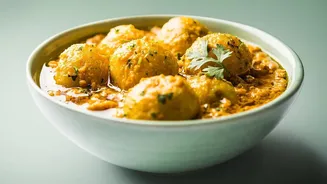
The familiar favourite of Indian restaurant menus and wedding feasts has found new global acclaim. Malai Kofta was recently ranked number 10 on TasteAtlas's list of the '50 Best Deep-Fried Dishes in the World'. This recognition places the indulgent Indian classic
among international heavyweights, highlighting its universal appeal. The list, which celebrates the art of deep-frying across different cultures, saw entries from across the globe, with Malai Kofta being one of three Indian dishes to make the cut, alongside Chicken 65 and Papri Chaat. This accolade is more than just a number; it’s a testament to the dish’s exquisite balance and the growing global appreciation for the nuances of Indian vegetarian cooking.
Deconstructing a Classic
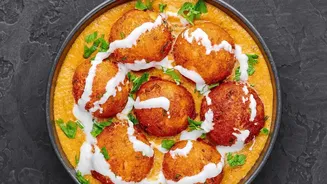
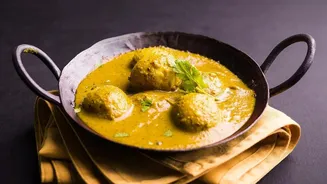
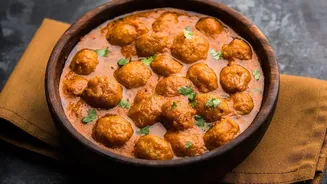
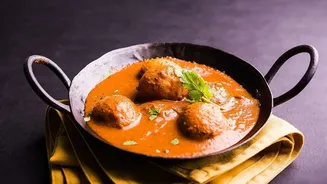
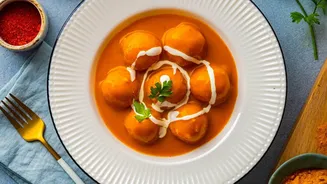
So what exactly is Malai Kofta? The name itself offers a delicious clue: 'malai' translates to cream, and 'kofta' refers to fried dumplings. The dish consists of two distinct, equally important parts. First are the koftas, which are soft, melt-in-your-mouth balls typically made from a mixture of mashed potato and grated paneer (Indian cottage cheese). Often studded with nuts like cashews or sweet raisins, these dumplings are deep-fried to a perfect golden-brown, creating a delicate, crisp exterior that gives way to a soft, rich centre. The second part is the gravy—a smooth, luxurious sauce. Unlike many fiery Indian curries, this one is famously mild, creamy, and subtly sweet, built on a base of onion, tomato, and cashew paste, and enriched with cream. The magic happens when the crispy koftas are gently bathed in this silky gravy just before serving, creating a perfect harmony of textures and flavours.
A Dish with Royal Roots
Malai Kofta's journey began in the opulent kitchens of the Mughal Empire. The concept of the kofta itself has Persian and Central Asian roots, where it traditionally referred to meatballs made of pounded or minced meat. As these culinary traditions migrated to the Indian subcontinent, they were adapted by local cooks. In a stroke of vegetarian genius, meat was replaced with paneer and potatoes, giving birth to the version we know and love today. Over time, the dish evolved, incorporating rich ingredients like cream and cashew paste, transforming it from a simple dumpling dish into a regal curry fit for royalty. Its association with festive occasions and celebrations is a direct nod to this luxurious heritage.
The Ambassador of Indian Vegetarianism
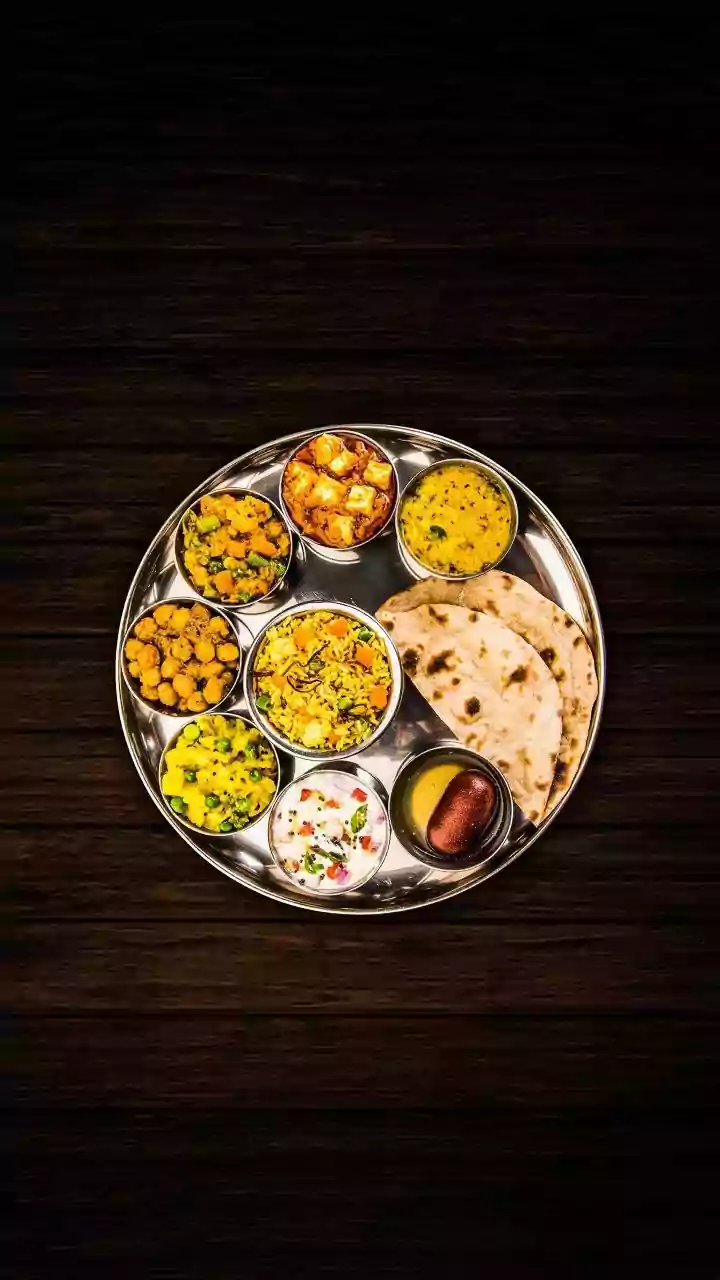
For many people around the world, Malai Kofta serves as a perfect introduction to the depth and variety of Indian vegetarian food. Its mild, creamy, and slightly sweet flavour profile makes it incredibly accessible, especially for those unaccustomed to the intense spice levels of other Indian dishes. It stands as a powerful counterpoint to the misconception that vegetarian food is simple or lacks richness. India has one of the largest vegetarian populations globally, and its cuisine reflects this with an incredible array of plant-based dishes that are centerpieces, not afterthoughts. Dishes like Malai Kofta, Dal Makhani, and Chole showcase how ingredients like paneer, lentils, and vegetables can be transformed into complex, satisfying, and world-class meals.