

The Comforting Allure of Steam
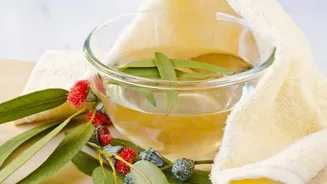
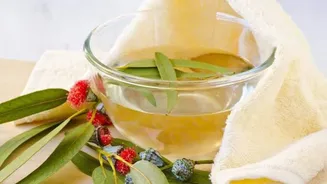
It’s a remedy passed down through generations: when a cold or sinus issue strikes, lean over a bowl of hot water with a towel over your head and breathe deep. The logic feels sound. The warm, moist air seems to cut through congestion, and the practice
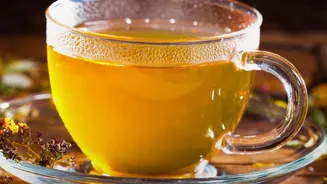
itself feels soothing. Adding herbs like eucalyptus, mint, or thyme enhances the experience, lending a fragrant, therapeutic aroma that makes it feel like you’re actively fighting the illness. It’s an accessible, inexpensive, and seemingly natural solution when you’re desperate for relief from facial pain and pressure. This combination of sensory comfort and the perception of taking action is what makes steam inhalation such an enduring home remedy for respiratory troubles.
What Does Science Say About Steam for Sinuses?
The theory behind steam inhalation is that the warm vapor helps to moisturize dry nasal passages and thin out thick mucus, making it easier to drain. This can provide a temporary feeling of openness and relief. However, the scientific evidence supporting its effectiveness as a treatment for sinusitis is weak and mixed. Several studies have found that steam inhalation does not significantly improve overall sinus symptoms compared to no treatment. A 2016 study published in the Canadian Medical Association Journal found steam did not alleviate most sinusitis symptoms, aside from helping with headaches. While the moisture can be soothing, it doesn't cure the underlying viral or bacterial infection causing the inflammation. The relief is often short-lived and more of a comfort measure than a medical cure.
Do Herbal Infusions Actually Help?
Many people add essential oils or dried herbs like eucalyptus, peppermint, and rosemary to their steam, believing it boosts the decongestant effect. Compounds like menthol and cineole (from eucalyptus) can trigger a cooling sensation in the nose, which can be perceived as easier breathing. Some of these herbs do have mild anti-inflammatory or antimicrobial properties. However, their effectiveness when delivered via steam is not well-studied. The primary benefit still comes from the warm moisture itself, and the herbal effect is largely aromatic and psychological. For example, oral supplements of cineole, the main component in eucalyptus oil, have shown some benefit in studies, but this is different from inhaling it in steam. While not necessarily harmful in steam, the added herbs are not a magic bullet for your sinus infection.
The Serious, Underreported Danger: Burns
The most significant argument against traditional steam inhalation is the high risk of severe burns. The method of leaning over a bowl of recently boiled water is inherently unstable. Accidental spills can cause devastating scalds to the face, chest, and lap. Children are especially vulnerable due to their smaller size and inability to react quickly. Medical associations and burn units frequently issue warnings about this practice, noting a spike in burn injuries related to steam inhalation, particularly during cold and flu season. These are not minor injuries; they can be partial-thickness burns that cause blistering, require hospital treatment, and may lead to permanent scarring. The temporary, limited relief offered by steam often does not outweigh the very real and painful risk of a serious accident.
Safer and More Effective Alternatives
Fortunately, there are several doctor-recommended methods for sinus relief that are both safer and more effective. Saline nasal rinses or sprays, using a neti pot or squeeze bottle, are highly recommended for flushing out mucus and irritants. This method is supported by strong evidence for relieving sinus symptoms. Using a cool-mist humidifier in your room adds moisture to the air more gently and without the risk of hot water spills. Staying well-hydrated by drinking plenty of water helps thin mucus from the inside out. Applying a warm, damp compress directly to your face can also ease facial pain. If symptoms persist for more than ten days or are severe, it is best to consult a healthcare provider, who can rule out a bacterial infection and recommend appropriate medications.