








1. Hunt for Stagnant Water
This is your most important task. Mosquitoes, particularly the Aedes aegypti that transmits dengue and chikungunya, breed in surprisingly small amounts of clean, stagnant water. A bottle cap full of rainwater is enough for them to lay eggs. After every
shower, walk through your balcony and garden with a single mission: eliminate standing water. Tip over empty pots, plates under pots, buckets, discarded tyres, coconut shells, and even children’s toys. Check the folds of tarpaulin sheets or plastic covers. These mosquitoes are daytime biters and thrive in urban environments, making our balconies and gardens prime real estate for them. The life cycle from egg to adult mosquito can be as short as 7-10 days, so this check is not a once-a-monsoon task; it’s an after-every-rain ritual that is crucial for your family's health.
2. Perform Plant First-Aid
While rain is nature’s watering can, too much of it can be disastrous for potted plants. Heavy downpours can compact the soil, reducing aeration and leading to root rot. First, ensure your pots have adequate drainage holes that aren't clogged. If you see water pooled on the soil surface long after the rain has stopped, gently poke the soil with a small stick to help it drain and aerate. Overwatering can also wash away essential nutrients. Consider a light, liquid fertiliser feeding a few days after a particularly heavy spell of rain to replenish them. Also, inspect leaves for signs of fungal infections, which thrive in damp conditions. If you spot powdery mildew or black spots, prune the affected leaves immediately to prevent it from spreading.
3. Clear Clogged Drains
Balcony drains are notorious for getting clogged with fallen leaves, soil, and other debris. When it rains, a blocked drain can cause water to pool on your balcony floor, creating a perfect mosquito breeding ground. More seriously, this stagnant water can seep into the building’s structure, causing damp patches, peeling paint, and even long-term structural damage to your home and your neighbours’ below. After a rain, visually inspect your drain outlets. Use a glove to clear away any visible debris. If the water is still draining slowly, a simple solution of hot water and vinegar can often dissolve a minor blockage. Making this a regular check prevents a small nuisance from becoming a major, expensive repair.
4. Scan for Structural Seepage
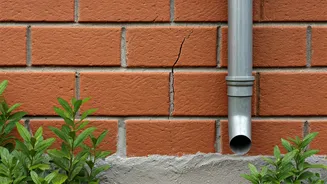
Water is relentless and will find any weakness in your walls and floors. A post-rain check is the perfect time to play detective. Look for dark, damp patches on exterior walls or on the ceiling of your balcony. Check the points where railings are fixed into the concrete, as these are common points of water ingress. Inside your home, check the walls that are adjacent to the balcony. Do you see any new bubbles in the paint or feel any dampness? Catching these signs early allows you to get them sealed before the monsoon causes more significant damage, like mould growth or compromised concrete. It's a five-minute visual inspection that can save you from months of headaches.
5. Check Electrical Safety
Water and electricity are a deadly combination. Many of us have decorative lights, outdoor fans, or power outlets on our balconies. Rain can easily get into poorly sealed fixtures, causing short circuits or creating a serious electrocution risk. After a storm, visually inspect any outdoor electrical fittings. Look for signs of water ingress, flickering lights, or exposed wiring where insulation may have cracked or been chewed by pests. Ensure that any outdoor power outlets have protective, waterproof covers and that they are securely closed. If you have any doubts about the safety of an electrical point that has been exposed to heavy rain, avoid using it and call a qualified electrician to inspect it. Don't take a chance.