


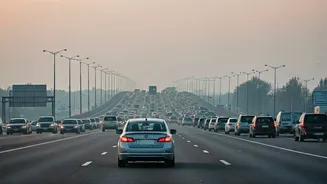




The 2.5-Hour Dream Is Now a Reality
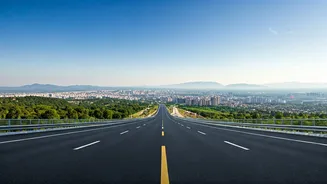
What once took a solid five to six hours by car can now be covered in approximately 2.5 hours. This dramatic reduction is thanks to the new Delhi-Dehradun Expressway, a 210-km, access-controlled corridor that was inaugurated in April 2026. The high-speed
highway is designed for speeds of up to 100 km/h, ensuring a smooth and significantly quicker journey from the heart of Delhi to the foothills of Uttarakhand. The project, developed by the National Highways Authority of India (NHAI) at a cost of around ₹12,000 crore, is set to redefine road travel in North India.
A Look at the Route
The expressway starts near Akshardham in Delhi and carves a new path through several districts in Uttar Pradesh, including Baghpat, Baraut, Shamli, and Saharanpur, before culminating in Dehradun. The entire 210-km route is now fully operational after its inauguration. The project was executed in phases, with the initial stretch from Akshardham to Baghpat opening for trial runs in late 2025. The route also features a crucial 51-km spur that connects to Haridwar, improving access to the major pilgrimage city and integrating with the Char Dham highway network.
An Engineering Marvel with a Conscience
One of the most celebrated features of this expressway is its focus on wildlife conservation. A significant 12-km stretch of the highway is an elevated corridor that passes over a part of Rajaji National Park. This design allows for the safe and uninterrupted movement of wildlife, including large elephant herds, underneath the roadway. The structure includes multiple animal underpasses and is considered one of Asia's largest wildlife corridors of its kind. Trail cameras have already captured extensive wildlife activity, including elephants and leopards, using the underpasses, proving the success of this eco-sensitive approach even before the official opening.
Impact Beyond Travel Time
The benefits of the expressway extend far beyond just a faster trip for tourists. The corridor is a major economic driver for the entire region. It is expected to boost trade, logistics, and industrial growth in the towns it passes through in Western UP. For Uttarakhand, the improved connectivity is a significant boon for tourism, not just for Dehradun but also for nearby destinations like Mussoorie and Rishikesh, making them more accessible for weekend trips from the NCR. Experts also predict a surge in real estate interest along the corridor, with property prices expected to appreciate as these areas become more connected to the national capital.
Know Before You Go
While cars can enjoy the 100 km/h speed limit, it's important to note that certain vehicles are restricted from using the high-speed sections. Two-wheelers, auto-rickshaws, and other slow-moving vehicles are prohibited from the main carriageway to ensure safety and maintain traffic flow. The expressway is equipped with an Advanced Traffic Management System to provide a safer travel experience for all commuters. For those travelling the full distance by car, a one-way toll of approximately ₹670-₹675 is applicable as of 2026.