




The Details of the Price Hike
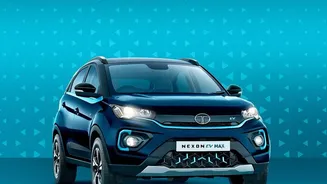
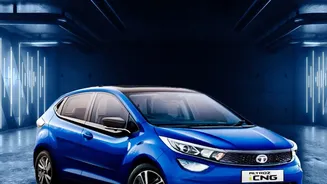
On August 21, 2026, Tata Motors Passenger Vehicles (TMPV) confirmed it will raise prices across its entire lineup of cars and SUVs, effective September 1, 2026. The increase is stated as being 'up to ₹25,000', which means it is not a flat hike for every
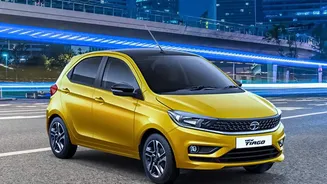
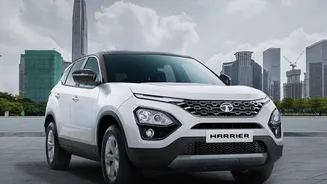
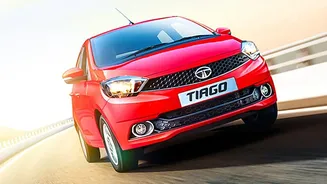
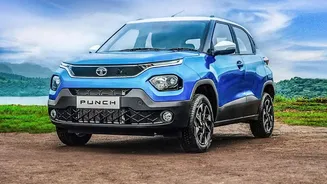
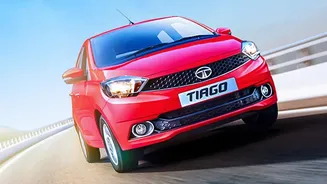
vehicle. Instead, the price revision will vary depending on the specific model and variant. This applies to both internal combustion engine (ICE) models like the Nexon and Punch, as well as the company's extensive electric vehicle (EV) range. While the company has not released a detailed variant-wise price list yet, the general expectation is that entry-level models like the Tiago will see a smaller increase, while top-end SUVs like the Safari and Harrier will experience a larger one in absolute terms.
Why Are Prices Increasing Again?
This isn't the first price adjustment from Tata in 2026; it's the third. The company previously raised prices in April and July. In its official statement, Tata Motors attributed the latest hike to the need to 'partially offset the impact of rising input costs and sustained inflationary pressures'. This is a common theme across the Indian auto industry. Key rivals like Maruti Suzuki and Hyundai have also announced multiple price increases this year, citing similar reasons. These 'input costs' refer to the prices of raw materials like steel and aluminium, as well as crucial components such as semiconductors, all of which have seen price volatility due to global economic conditions and supply chain disruptions. Automakers absorb these costs for a while but eventually pass a portion on to customers to protect their operational margins.
Impact on Budget-Segment Buyers
For customers considering Tata's entry-level models like the Tiago, Tigor, or the popular Punch micro-SUV, a price hike, even if smaller than the ₹25,000 ceiling, is significant. This segment is highly price-sensitive, and an increase can influence purchasing decisions. A prospective buyer might have to stretch their budget, opt for a lower variant with fewer features, or reconsider competitors. The increase also affects the on-road price, which includes taxes and insurance, and can lead to a higher EMI on a car loan. For a buyer with a strict monthly budget, this could mean needing a larger down payment to keep the instalments manageable.
What It Means for Mid-Range SUV Buyers
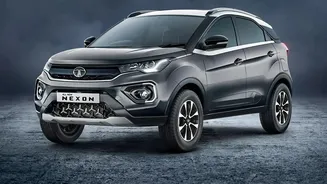
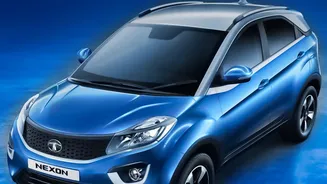
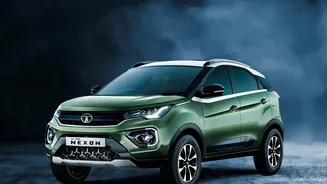
The compact SUV segment, dominated by the Tata Nexon, is one of the most competitive in India. Here, a price adjustment can shift the value-for-money equation. Buyers in this category meticulously compare features, performance, and pricing against rivals like the Maruti Suzuki Brezza and Hyundai Venue. While the Nexon has strong selling points like its high safety ratings and powertrain options (petrol, diesel, and EV), an increased price might make some buyers look more closely at what competitors offer at a similar or slightly lower price point. However, since rivals are also increasing prices, Tata's hike might simply be keeping pace with the market trend rather than putting its models at a significant disadvantage.
For Premium Harrier and Safari Customers
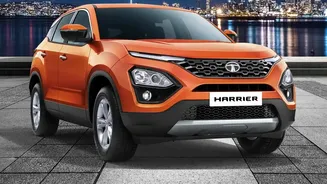
Buyers looking at Tata’s flagship SUVs, the Harrier and Safari, are generally less sensitive to minor price fluctuations. For this demographic, a hike of ₹25,000 on a vehicle that costs well over ₹20 lakh is unlikely to be a deal-breaker. Their decision is more often based on factors like road presence, premium features, comfort, and performance. The price increase will add to the total cost of ownership, but it is less likely to push them towards a different vehicle altogether, especially if they are already decided on the brand and model. The hike simply reflects the rising costs across the premium end of the market.
Advice for Prospective Buyers
If you are close to finalizing the purchase of a Tata vehicle, it may be prudent to complete the booking and invoicing before September 1 to lock in the current prices. However, this depends on dealer stock and their specific policies. For those still in the research phase, this news serves as a prompt to re-evaluate your budget. It's advisable to contact a dealership closer to September 1 to get the exact variant-wise price list. This will allow you to make a fully informed decision, comparing the new on-road costs and weighing them against the value proposition that Tata cars continue to offer.