

The Lithium Bottleneck
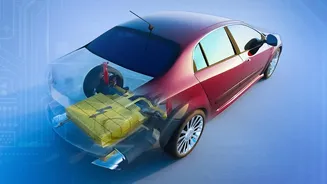
The single biggest hurdle to mass EV adoption in India is cost, and a huge portion of that cost—often 40-50%—is the battery pack. Currently, these packs rely on lithium-ion technology. The challenge for India is twofold. First, the country has very limited
lithium reserves, making it heavily dependent on imports for the critical raw material. This reliance creates supply chain vulnerabilities and exposes the market to volatile global prices for lithium, as well as other key metals like cobalt and nickel. This dependency not only keeps EV prices high, putting them out of reach for the average consumer, but also works against national goals of energy self-sufficiency and a robust domestic manufacturing ecosystem.
Enter Sodium-Ion: The Abundant Alternative
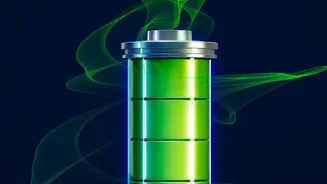
Sodium-ion batteries work on a similar principle to their lithium-ion cousins, but they use sodium ions as the charge carriers. The key advantage is the raw material itself. Sodium is one of the most abundant elements on Earth, found readily in common salt and soda ash. India has a vast coastline and established chemical industries, making sodium precursors largely available domestically. This dramatically reduces import dependency and geopolitical risk. Several Indian companies, including startups like Indi Energy and established players like Reliance Industries (through its acquisition of Faradion), are actively developing this technology. Indi Energy is even innovating by using agricultural biowaste to produce the hard carbon needed for the battery's anode.
The Cost Equation: Making EVs Truly Affordable
The shift from lithium to sodium could be a game-changer for vehicle affordability. Estimates suggest that sodium-ion batteries could be 30-40% cheaper than comparable lithium-ion batteries. This is due to the low cost of sodium and the ability to use aluminum current collectors on both the anode and cathode, eliminating the need for more expensive copper. For a market as price-sensitive as India, this cost reduction is critical. It could bring the price of electric two-wheelers, three-wheelers, and small passenger cars down significantly, potentially making them cheaper to purchase than their internal combustion engine counterparts, even without subsidies. This democratisation of EV ownership is the core of the sodium-ion promise for India.
Performance and Practicality: Are They Ready?
While sodium-ion batteries excel in cost and safety, they have historically lagged in one key area: energy density. They typically store less energy per kilogram than lithium-ion cells, which translates to a shorter driving range for the same size battery. However, this gap is closing, with newer generations of sodium-ion batteries approaching the energy density of the more common Lithium Iron Phosphate (LFP) batteries used in many entry-level EVs. Furthermore, sodium-ion batteries offer significant advantages in other areas. They perform exceptionally well in cold weather, a notable weakness for lithium-ion batteries. They also boast faster charging capabilities and greater thermal stability, reducing the risk of fire. For the majority of Indian consumers focused on urban commuting, a slightly lower range may be a perfectly acceptable trade-off for a lower purchase price, enhanced safety, and faster charging.
The Road Ahead: From Pilot to Production
Despite the immense potential, the transition will not happen overnight. The primary challenge is achieving manufacturing scale. The entire global production of sodium-ion batteries is still a fraction of what is needed for the automotive industry. While the technology can use much of the same manufacturing infrastructure as lithium-ion, building out a robust domestic supply chain for specialised components will take time and investment. However, the progress is encouraging. Recent reports indicate that Indian sodium-ion technology has reached a high level of maturity (Technology Readiness Level 7), suggesting that commercial production could be just two to three years away. With government support through schemes like the Production Linked Incentive (PLI) for battery storage, the path from pilot projects to gigawatt-hour scale production is becoming clearer.