





Understanding the Old Guard: PDCAAS and DIAAS
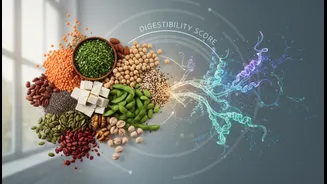
For years, the quality of a protein source has been judged by scoring systems. The most well-known is the Protein Digestibility-Corrected Amino Acid Score (PDCAAS). It measures a protein's amino acid content against human needs and corrects for its digestibility.
Think of it as a report card for protein. More recently, the Digestible Indispensable Amino Acid Score (DIAAS) has been proposed as a more accurate successor. DIAAS measures amino acid digestibility at the end of the small intestine, which is thought to provide a more precise picture of how many amino acids are actually absorbed by the body. It also doesn't cap scores at 100%, allowing for a better distinction between high-quality proteins. While an improvement, both systems evaluate proteins in isolation, which isn't how we eat.
The Food Matrix: It's Not Just the Protein
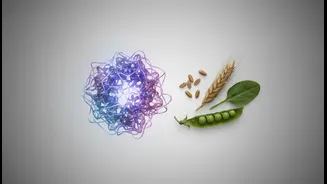
A scoop of protein powder is not the same as a serving of dal or a piece of chicken, even if the 'raw protein' grams are identical. Foods are complex structures, often called a 'food matrix'. The other components in that matrix—fibre, fats, and other compounds—directly influence how protein is digested and absorbed. A key example is plant-based proteins found in legumes and whole grains. These often come with 'anti-nutrients' like phytates and tannins. These natural compounds can bind to amino acids and minerals, making them less available for your body to use. This doesn't mean plant proteins are bad; it simply means their on-paper protein score might be an overestimation of their real-world value without proper preparation.
Cooking and Preparation: Unlocking Nutrients
How you prepare your food dramatically changes its nutritional profile. Cooking, for instance, is a form of pre-digestion. Heat denatures proteins, which means it unfolds their complex structures. This unfolding makes it easier for your digestive enzymes to get to work, often increasing the bioavailability of amino acids. For example, the protein in a cooked egg is far more digestible than in a raw one. However, there's a delicate balance. Overcooking, especially at very high temperatures, can damage amino acids and create compounds that actually reduce digestibility. Traditional methods used across India, like soaking, sprouting, and fermenting lentils and grains, are brilliant ways to reduce anti-nutrients and unlock more of the food's nutritional potential. These age-old techniques effectively increase the true protein value of the meal.
Your Gut Health: The Final Gatekeeper
You aren't what you eat; you are what you absorb. And the ultimate arbiter of absorption is your gut. The health of your digestive system, including your stomach acid levels, digestive enzyme production, and the diversity of your gut microbiome, plays a critical role. Chronic inflammation or an imbalanced gut microbiome can impair your ability to break down proteins effectively, meaning even the highest-quality protein might not be fully utilized. Conversely, a healthy gut, nourished by a diet rich in fibre and fermented foods, can enhance your ability to extract nutrients from your meals. Your individual metabolism, age, and activity level also factor into how efficiently you use the protein you consume.
A Smarter Approach to Protein
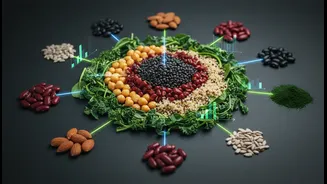
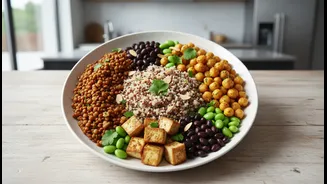
So, should you throw out protein scores altogether? Not necessarily. They provide a useful, if incomplete, starting point. However, a modern understanding requires a more holistic view. Instead of focusing solely on the protein content of a single ingredient, think about the entire meal. Combining different protein sources, such as having rice with beans or adding some nuts to your oatmeal, can create a more complete amino acid profile and improve overall quality. Prioritise whole foods and be mindful of how they are prepared. Rather than fixating on a single number, focus on dietary diversity, gut health, and smart preparation. This integrated approach ensures that you are not just consuming protein, but truly benefiting from it.