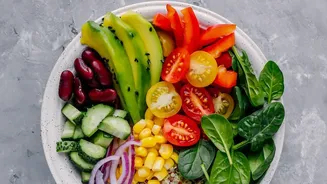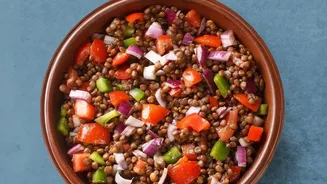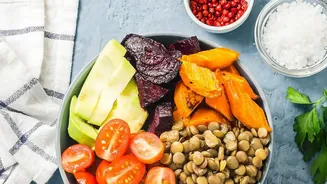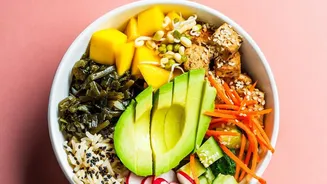

Understanding the Fullness Factor
Why do some meals leave you satisfied for hours while others have you reaching for snacks an hour later? The answer often lies in the powerful combination of protein and fibre. Protein is the most satiating macronutrient; it takes longer to digest and influences
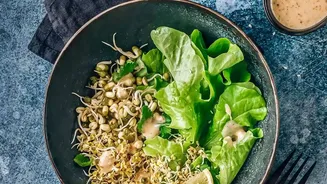
the hormones that signal fullness to your brain. Fibre, found in plants, adds bulk to your meals and slows digestion, which helps stabilize blood sugar and prevent energy crashes. When you build a lunch around both, you're creating a recipe for lasting energy and satisfaction that a simple leafy salad often can't provide.
Embrace the Power of Lentils and Beans
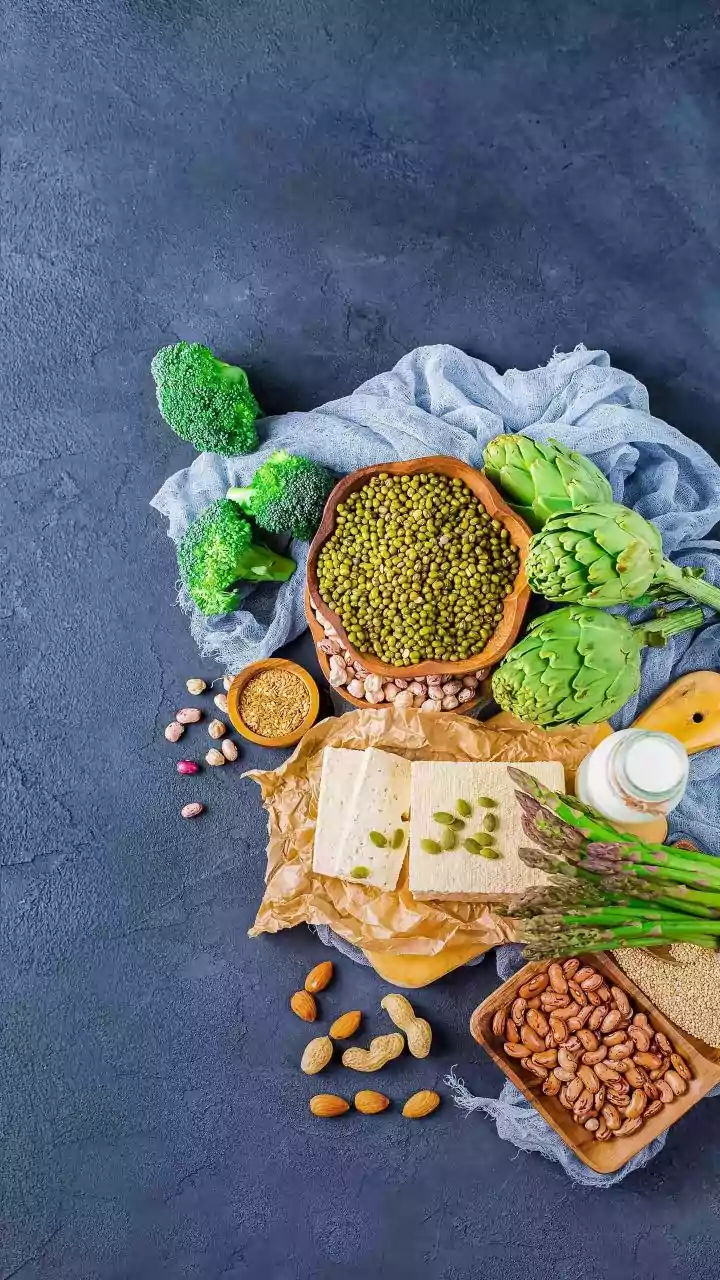
Lentils (dal) and beans like chickpeas (chana) or kidney beans (rajma) are foundational to Indian vegetarian cooking for a reason: they are nutritional powerhouses. A simple dal served with rice or roti, or a hearty rajma curry, provides an excellent balance of protein and fibre. Think beyond just curry; roasted chickpeas can be tossed into a grain bowl, while black beans make a fantastic filling for a quick wrap or a homemade veggie burger. You can even mash chickpeas with spices and a little yogurt to create a satisfying sandwich filling that is miles ahead of a boring salad.
Paneer and Tofu: The Quick-Cooking Proteins
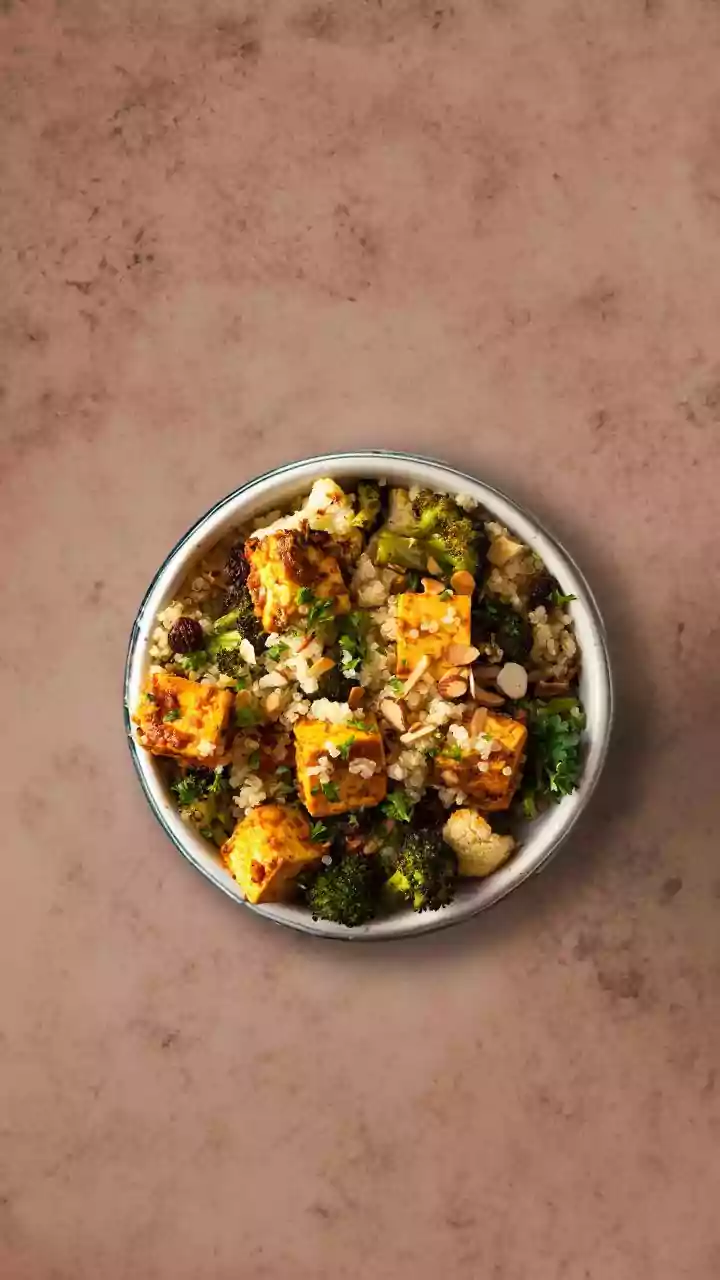
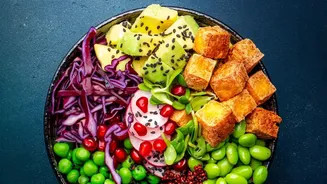
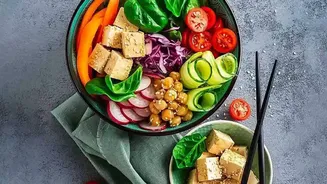
When you need a high-protein lunch in a hurry, paneer and its soy-based cousin, tofu, are your best friends. Both are fantastic at absorbing flavours and can be cooked in minutes. A simple paneer bhurji (scramble) with whole-wheat toast is a complete meal. Cubes of paneer or tofu can be marinated in spices and quickly pan-fried to be added to wraps or grain bowls for an instant protein boost of over 15-20 grams. A palak tofu curry is another brilliant option that combines protein from the tofu with the fibrous goodness of spinach.
Reimagine Grains and Millets
While rice is a staple, exploring other grains and millets can significantly increase the protein and fibre content of your lunch. Quinoa, often called a 'complete protein', is an excellent base for a filling pulao or bowl. A quinoa vegetable pulao or a bowl topped with paneer tikka and fresh vegetables creates a balanced, modern meal. Don't forget traditional options like bajra (pearl millet) and ragi, which can be used to make nutritious rotis or even savoury pancakes and dosas, adding variety and a powerful nutritional punch to your midday meal.
The Versatility of Yogurt and Chilla
Greek yogurt or strained curd is a fantastic source of protein that can be used in numerous ways. Use it as a creamy base for a raita loaded with vegetables, as a drizzle over a grain bowl, or simply enjoyed on the side. For a classic North Indian powerhouse lunch, look no further than moong dal chilla. These savoury lentil pancakes are incredibly easy to make from a simple batter of soaked moong dal. Filled with grated paneer or chopped vegetables, two chillas can provide a substantial 15-20 grams of protein, making for a delicious and genuinely filling lunch.