




The Urban Wind Tunnel Effect
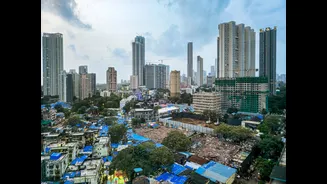
Ever felt a sudden, powerful gust of wind whip around a street corner, almost knocking you off your feet? You've experienced the 'urban canyon effect'. Cities, with their tall buildings packed closely together, create artificial canyons. When wind blows
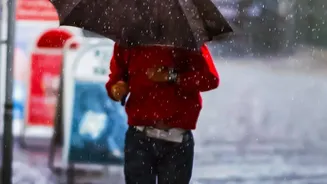
parallel to these streets, it gets funnelled and accelerates, a phenomenon known as channelization. If the wind is forced through narrow gaps between buildings, the Venturi effect can make it even stronger. This means the wind you feel at street level can be far more intense and unpredictable than the reported weather forecast, turning a simple walk into a struggle and making it difficult to even hold an umbrella.
A Domino Effect on Public Transport
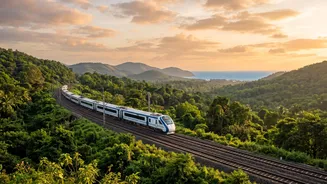
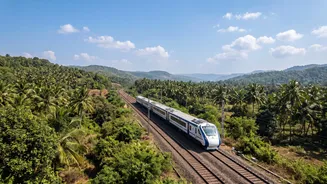
Gusty weather creates a cascade of problems for the public transport systems that millions of Indians rely on. High winds can be particularly dangerous for high-profile vehicles like buses, which have a large surface area, making them more susceptible to being pushed off course or, in extreme cases, overturned. Heavy rainfall, which often accompanies these winds, leads to waterlogged roads and tracks, bringing bus and train services to a standstill. In cities like Mumbai, the suburban railway network is famously vulnerable to flooding. Furthermore, strong winds can damage overhead power lines for trains and trams or cause signal failures, leading to system-wide delays, overcrowding at stations, and immense commuter stress.
Hidden Dangers Overhead and Underfoot
In a dense urban environment, high winds pose a unique threat from falling objects. Tree branches, loose construction materials, unsecured hoardings, and even broken glass can become dangerous projectiles. Pedestrians are forced to be constantly vigilant. The accompanying rain creates its own set of hazards underfoot. Slippery tiled pavements, slick metal manhole covers, and hidden potholes submerged under puddles dramatically increase the risk of slips, falls, and injuries. These dangers are magnified when crowds of people huddle under limited cover, jostling for space on already hazardous footpaths.
The Challenge of Low Visibility
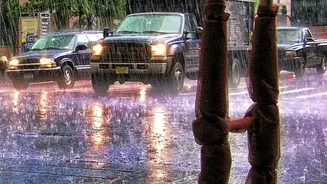
Heavy rain and wind-whipped spray severely reduce visibility for everyone on the road. For drivers, it becomes harder to see pedestrians, cyclists, and other vehicles, increasing the likelihood of accidents. Reduced visibility forces traffic to slow down, contributing to the gridlock that paralyses cities during a downpour. For pedestrians, trying to navigate busy intersections with an umbrella blocking their view while being wary of traffic is a stressful balancing act. This combination of poor visibility and crowded, chaotic streets makes the daily commute not just difficult, but genuinely dangerous.
How to Navigate the Gusty Commute
While you can't control the weather, you can prepare for it. Start by checking a reliable weather app before you leave home. If high winds and heavy rain are forecast, give yourself extra travel time. Wear appropriate footwear with good grip and choose a waterproof jacket over an umbrella, which can be useless or even dangerous in strong gusts. Keep your phone fully charged and have a backup travel plan in mind in case your primary mode of transport is disrupted. When walking, stay aware of your surroundings—look up for potential falling debris and watch where you step. If you're driving, slow down, increase your following distance, and use your headlights to improve visibility.