



First, What Is NavIC?
Before we get into the upgrade, let's talk about the system itself. NavIC, which stands for Navigation with Indian Constellation, is India's own answer to the US-owned Global Positioning System (GPS). Developed by the Indian Space Research Organisation
(ISRO), it's a regional system designed to provide accurate positioning and timing services over India and an area extending about 1,500 kilometres beyond its borders. The project was born out of a crucial need for sovereign control over navigation, a lesson learned during the 1999 Kargil War when access to foreign GPS data was not guaranteed. NavIC provides two services: a standard one for all civilians and an encrypted, restricted service for strategic uses by the military.
The Urgent Need for an Upgrade
The original constellation of satellites, known as the IRNSS series, began facing significant issues. The most critical problem was the repeated failure of the imported atomic clocks on board several satellites. These clocks are the heart of any navigation system, providing the ultra-precise timekeeping needed to calculate a user's location. A minimum of four healthy satellites are needed for standalone navigation services. Due to these clock failures and the unfortunate failure of the NVS-02 satellite to reach its final orbit, the operational fleet shrank, compromising NavIC's ability to function independently. This made launching a new, more robust generation of satellites not just an upgrade, but a necessity to ensure the system's continuity.
Enter the NVS Series
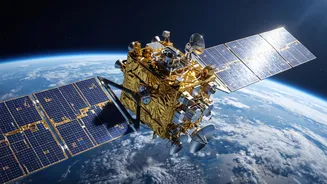
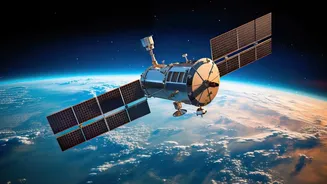
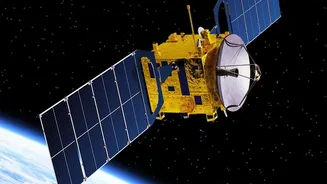
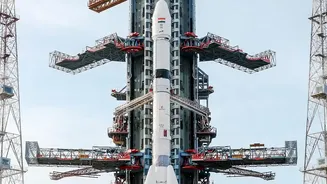
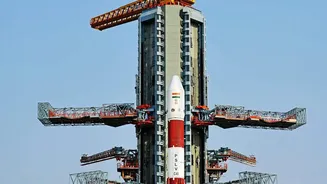
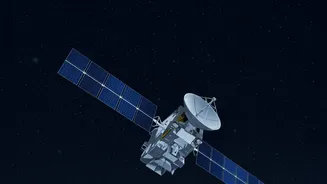
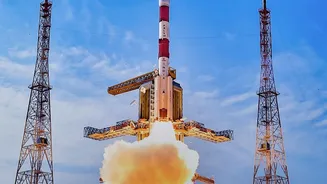
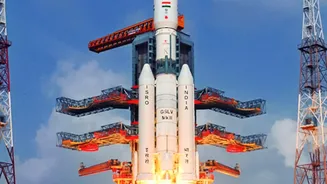
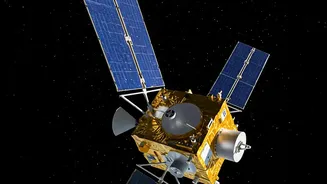
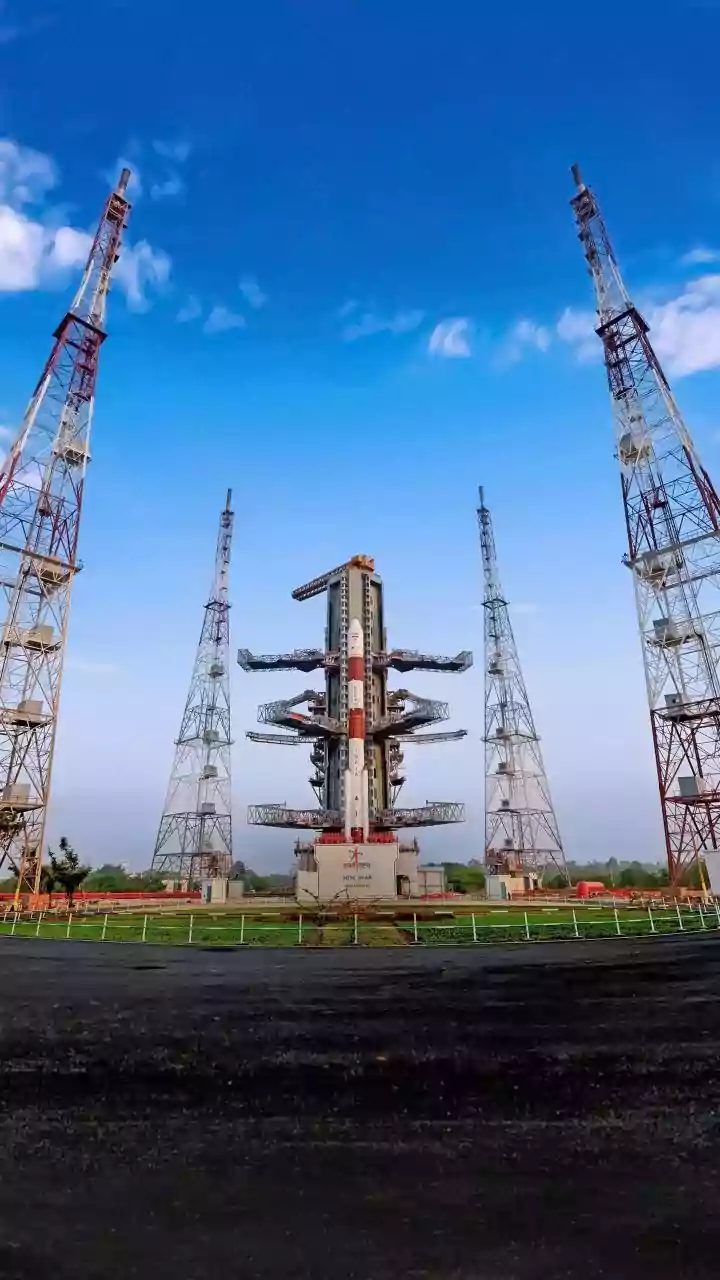
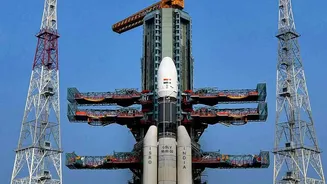
To address these challenges, ISRO initiated the launch of a second-generation of Navigation Satellites, dubbed the NVS series. This is a planned set of five satellites designed to replace the ageing ones and augment the constellation with new features. The first, NVS-01, was launched successfully in May 2023. The latest, NVS-03, was successfully placed into orbit on October 30, 2026. These new satellites boast significant improvements, including a longer mission life of about 12 years and, crucially, an indigenously developed Rubidium atomic clock. Flying homegrown atomic clocks is a massive step towards complete self-reliance in this critical technology. Furthermore, the NVS series adds a new L1 frequency band, which is widely used by commercial GPS receivers, a move that will make it much easier for NavIC to be integrated into everyday devices like smartphones and wearables.
Restoring and Strengthening the Constellation
The successful launch of NVS-03 on October 30, 2026, was a pivotal moment. It restored the NavIC constellation to the minimum requirement of four operational satellites needed for standalone positioning services. But the plan is much bigger. The five-satellite NVS series aims to create a more resilient and powerful navigation network. With NVS_04 and NVS_05 also in advanced stages of realisation, the goal is to build a full constellation that not only guarantees continuous service but also enhances accuracy and coverage. A fully functional, seven_satellite NavIC system is expected to provide positional accuracy of better than 10 metres for civilians.
Why It Matters for India
A robust and independent NavIC is a strategic asset of immense value. For the military, it ensures secure and reliable navigation for aircraft, ships, and ground forces, as well as precision guidance for munitions, completely free from reliance on foreign powers. For civilians, the benefits are widespread. It aids transportation by tracking trains and commercial vehicles, improves safety for fishermen at sea, enhances disaster management efforts, and provides precise timing for financial transactions and power grids. As India continues to digitise its economy, having its own trusted time and location source, part of the 'one nation, one time' project, becomes ever more critical. This upgrade plan solidifies India's place in a select group of nations with their own satellite navigation capabilities, a clear signal of its growing technological prowess on the world stage.