





An Unsettled Weather Forecast
The India Meteorological Department (IMD) has issued heavy to very heavy rainfall warnings for several parts of the country. As of early August, states in the Northeast, East, and South Peninsular India, including Kerala and Karnataka, are on alert for intense
downpours. Red and Orange alerts have been issued for numerous districts, indicating the potential for waterlogging, localised flooding, and disruption to transport. With a long weekend centered around Raksha Bandhan on August 28 creating a three to five-day travel window, many will be on the move, making these weather warnings particularly critical for anyone planning a road trip.
Pre-Trip Vehicle Health Check
Before you even think about packing the car, a thorough vehicle inspection is non-negotiable. The monsoon places unique stress on your car, and a pre-trip check can prevent a breakdown in a dangerous situation. Start with your tyres; ensure they have adequate tread depth (at least 3mm is recommended) and are inflated to the correct pressure. Next, test your windscreen wipers. If they leave streaks or don't clear water effectively, replace them. Top up your windshield washer fluid. Finally, check your lights—headlights, taillights, and brake lights—to ensure you can see and be seen in low visibility. A quick inspection of your brakes is also crucial, as wet conditions significantly increase stopping distances.
The Dangers of Waterlogged Roads
One of the greatest risks during monsoon travel is encountering flooded streets. It’s impossible to judge the depth of standing water or know what lies beneath it, such as open manholes or washed-out sections of road. As little as six inches of water can be enough to cause a car to stall or lose control, and just two feet of moving water can sweep away most vehicles, including SUVs. If your car stalls in water, do not attempt to restart the engine. This can cause water to enter the engine through the air intake, leading to a catastrophic failure known as hydrostatic lock. The safest rule is simple: if you encounter a flooded road, turn around. It is never worth the risk.
Safe On-the-Road Techniques
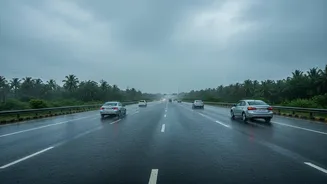
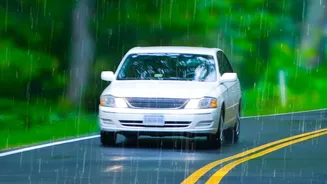
Adjusting your driving style is essential for monsoon conditions. The most important rule is to slow down significantly; speed limits are for ideal conditions, not heavy rain. Reducing your speed helps prevent hydroplaning, where your tyres lose contact with the road surface. Double your following distance from the vehicle in front to give yourself more time to brake on slippery surfaces. Always drive with your low-beam headlights on to improve your visibility and make you more visible to others. Avoid using high beams, as they reflect off raindrops and can worsen visibility for you and oncoming drivers. Be gentle and smooth with your steering, acceleration, and braking to avoid losing traction.
Planning Your Journey Wisely
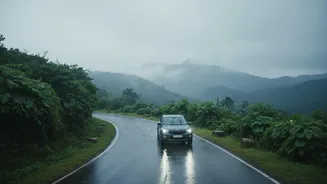
Before you leave, check your planned route for any reported closures, flooding, or landslide warnings, especially if you are travelling through hilly or mountainous regions which are particularly vulnerable. Have an alternative route in mind. Pack an emergency kit in your car that includes a first-aid kit, a torch, a tow rope, and some dry food and water. Ensure your mobile phone is fully charged and consider carrying a power bank. Inform a family member or friend of your travel route and estimated time of arrival. Patience is a virtue when driving in the monsoon; it's better to arrive late than to take unnecessary risks to stick to a schedule. The goal is to reach your destination safely.