








Your Pet's Health Passport
Before you book anything, your first stop should be the veterinarian. Every mode of transport, especially airlines, will require a fitness-to-travel certificate. This document, usually issued 24 to 72 hours before your journey, confirms your pet is healthy
and fit for the trip. Ensure all vaccinations, particularly rabies, are up to date and recorded. Airlines like Air India and Akasa Air have specific windows for how old this certificate can be, so check their latest policies. It’s wise to carry both the original documents and a few photocopies. This health passport is the non-negotiable first step for any travel plans involving your beloved companion.
Decoding Airline Pet Policies
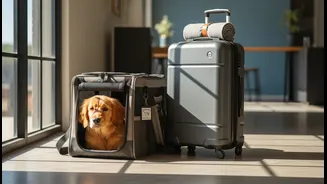
Flying with pets in India is possible, but policies are strict and carrier-specific. Currently, Air India and Akasa Air are the most pet-friendly airlines. Both carriers allow small pets (typically dogs and cats) to travel in the cabin, provided the combined weight of the pet and its carrier is under 10 kg. Heavier pets must travel in the temperature-controlled cargo hold. You cannot simply show up with your pet; a spot must be booked in advance, usually at least 48 hours before the flight. The carrier itself is another critical checkpoint. For in-cabin travel, it must be a soft, ventilated bag that fits under the seat in front of you. For cargo, an IATA-compliant hard-sided crate is mandatory. Be aware that snub-nosed breeds like Pugs and Persian cats often face restrictions for cargo travel due to respiratory risks.
Homestays: Beyond 'Pets Allowed'
Finding a place to stay requires more than just ticking the 'pet-friendly' filter on platforms like Airbnb. While this is a good start, the rules are set by individual hosts and can vary dramatically. Before you book, read the property's house rules section carefully. Many hosts charge an additional non-refundable pet fee to cover extra cleaning. There might also be restrictions on the size, breed, or number of pets allowed. Some hosts may not permit pets on furniture or in certain bedrooms. The best practice is to always message the host before confirming your booking. Introduce your pet (mentioning its breed, size, and temperament) and clarify any doubts about the pet policy. This simple communication can prevent misunderstandings and ensure a welcoming stay for everyone.
The Final Mile: Cabs and Trains
Getting around your destination city involves its own set of checks. For ride-hailing apps like Ola and Uber, allowing a pet is almost always at the driver's discretion. To avoid cancellations, it's best to call the driver immediately after booking to inform them you have a pet with you. Carrying your pet in a proper carrier and having a sheet to cover the seat can help convince a hesitant driver. In major cities like Mumbai, Delhi and Bengaluru, Uber has launched 'Uber Pet', a dedicated option for travelling with pets, which formally connects you with willing drivers, though it may come at a slight premium. For longer journeys, Indian Railways allows pets only in First Class AC, and you must book an entire two-berth coupe or four-berth cabin for yourself. This requires a written application to railway authorities. The alternative is the luggage van, which can be a stressful option for pets.
Packing for Your Companion
A well-prepared travel kit can make a huge difference in your pet's comfort and safety. Pack enough of their regular food to last the entire trip, as a sudden change in diet can cause stomach upset. Bring collapsible bowls for food and water, along with a bottle of water for the journey. Don't forget their leash, collar with an ID tag, waste bags, and any required medications. Including a favourite toy, blanket, or an old t-shirt with your scent on it can provide a sense of familiarity and comfort in a new environment. This kit ensures your pet's needs are met, helping them feel secure and settled no matter how far from home you are.