





The Allure of an August Adventure
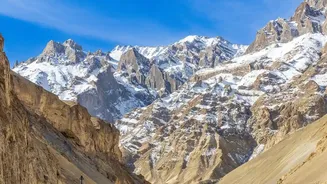
For much of India, August means peak monsoon. For Ladakh, however, it means peak beauty. Sitting in the rain-shadow of the Himalayas, Ladakh receives very little rainfall, resulting in clear blue skies and pleasant daytime temperatures that hover between
20°C and 30°C. This is the month when the landscape, usually stark and brown, shows hints of green along riverbeds and in valleys, offering a stunning contrast. It's an ideal time for sightseeing and outdoor activities, as major attractions like Pangong Tso, Nubra Valley, and Tso Moriri are fully accessible. Adventure seekers can indulge in trekking or white-water rafting on the Zanskar and Indus rivers, which are full and exciting during this period.
The Monsoon Reality Check
The catch to a perfect August trip lies not in Ladakh itself, but on the journey to get there. The two main arteries, the Manali-Leh and Srinagar-Leh highways, pass through regions in Himachal Pradesh and Kashmir that experience heavy monsoon rains. This creates a significant risk of landslides, flash floods, and slushy road conditions, which can lead to temporary but frustrating road closures. Water crossings, where streams flow over the road, can become particularly treacherous. While the Border Roads Organisation (BRO) works diligently to clear blockages, delays of a few hours to even a full day are common. This is the core reason why a rigid, tightly-packed itinerary is a recipe for stress.
Choosing Your Route: Manali vs. Srinagar
Both highways offer breathtaking views, but they present different challenges in August. The Srinagar-Leh highway is generally considered the safer bet. Its altitude gain is more gradual, which helps immensely with acclimatisation, and the road conditions are typically better. The Manali-Leh highway, while arguably more dramatic and adventurous, involves crossing several high-altitude passes, including the notoriously unpredictable Baralacha La, which is prone to monsoon-related disruptions. If you are driving or riding, the Srinagar route is often recommended for the journey to Leh, with the Manali route being an option for the return, by which time you are better acclimatised. For those short on time or wary of road uncertainties, flying directly into Leh is the most reliable option.
Mastering the Art of the Flexible Plan
Flexibility isn't just a suggestion; it's a strategy. The single most important tip from seasoned travellers is to build buffer days into your schedule. Plan for at least one or two extra days that are not allocated to any specific activity. These days will absorb any potential delays from road closures without forcing you to cancel a key part of your trip, like a visit to Pangong Lake. When booking accommodation, opt for hotels and guesthouses that have flexible cancellation policies. Before setting out for a long drive, always check with local sources like your hotel staff or taxi drivers about the current road status. Having a backup plan, such as exploring local monasteries like Thiksey and Hemis or the markets in Leh, can turn a day of delay into an unexpected opportunity for discovery.
Packing for Every Possibility
Packing for Ladakh in August requires preparing for a wide range of conditions. The golden rule is to layer your clothing. Days in Leh can be warm enough for a t-shirt, but evenings and high-altitude areas like Khardung La or Pangong Lake will be cold. Essentials include a mix of cotton t-shirts, a fleece jacket, and a windproof and waterproof outer layer. Even though it's the monsoon season elsewhere, the sun in Ladakh is incredibly strong due to the thin air, making sunscreen (SPF 50+), sunglasses, and a wide-brimmed hat non-negotiable. Sturdy, comfortable walking shoes are a must. Also, pack a basic first-aid kit, including any personal medications and medicine for altitude sickness, after consulting a doctor.