





A Tale of Two Superfoods
On one side, you have the avocado. Once an expensive, exotic import, this creamy fruit has become a global symbol of wellness culture. Packed with healthy fats, vitamins, and a buttery texture, it’s the star of brunch menus worldwide. Its rise in India
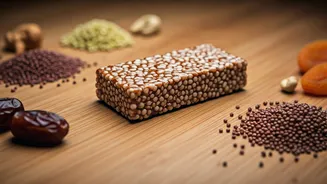
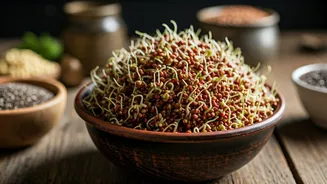
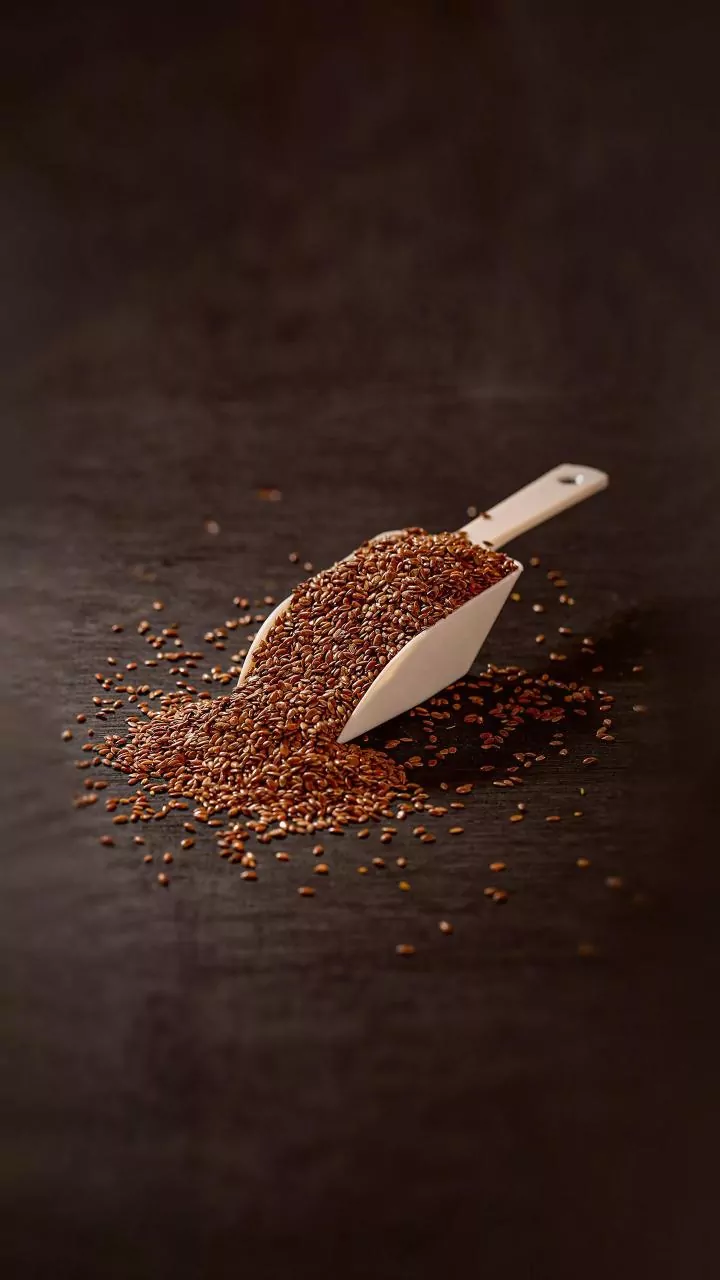
has been swift, transitioning from a luxury item in five-star hotels to a common sight in urban grocery stores and home kitchens. The demand is so high that India has begun exploring large-scale domestic cultivation to supplement its imports. On the other side is ragi, or finger millet. This humble, nutrient-dense grain is an ancient Indian staple, long celebrated for its resilience and health benefits, including high calcium and fibre content. For generations, it was a cornerstone of rural diets, but it often carried the stigma of being a 'poor man's food.' Now, thanks to a national and global push for millets, ragi is experiencing a massive resurgence. It's being rebranded as a gluten-free, sustainable 'super-grain,' appearing in everything from dosas and porridges to modern-day cookies and crackers.
The 'Glocal' Kitchen Revolution
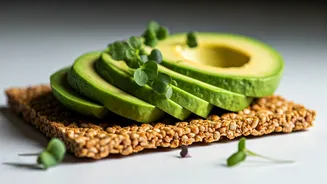
The magic of this snack lies not in the individual ingredients, but in their combination. Avocado on a ragi cracker is the perfect embodiment of the 'glocal' (global + local) food movement. It’s a dish that speaks a global language of health—avocado toast is a universal signifier of clean eating—but with a distinctly Indian accent. It represents a new kind of culinary confidence among young, urban Indians. This generation is globally connected, travelling and consuming media from around the world, yet they are also looking inward, rediscovering and celebrating their own culinary heritage. They aren’t abandoning tradition; they are reinventing it. This snack says, 'We can embrace the best of the world without losing sight of who we are.' It’s the dietary equivalent of a Bollywood film using a hip-hop beat to remix a classic folk song. It’s familiar yet new, comfortable yet aspirational.
From Niche Treat to Urban Staple
So, is it truly 'next-gen India's favorite snack'? While it may not have the universal reach of a samosa or a plate of pani puri just yet, its significance lies in its rapid adoption by a key demographic. In the trendy cafes of Mumbai, Delhi, and Bengaluru, this pairing has become a menu fixture. It’s the go-to order for the health-conscious professional on a working lunch, the fitness enthusiast after a yoga session, and the foodie looking for an Instagram-worthy meal. Food bloggers and home cooks have also embraced the trend, sharing countless variations online. Some add a sprinkle of 'gunpowder' (podi) for a spicy kick, others top it with feta cheese and pomegranate seeds, or a perfectly poached egg. The ragi cracker acts as a versatile canvas, a healthier alternative to processed white bread. Its growing presence signals a major shift in urban snacking culture, moving away from deep-fried and sugary treats towards options that are both nutritious and flavourful.
The New Language of Wellness
Ultimately, the popularity of avocado on ragi crackers is about more than just taste. It’s a status symbol and a statement of values. Choosing this snack communicates an awareness of health, an appreciation for sustainable ingredients like millets, and a modern, global outlook. It aligns with a broader wellness movement that prioritises mindful eating, clean ingredients, and functional foods that do more than just fill you up. For a generation navigating the pressures of modern urban life, food has become a powerful tool for self-care and identity expression. What you eat is a reflection of who you are and what you believe in. In this context, a simple snack of avocado on a ragi cracker is loaded with meaning. It's not just a passing fad; it's a delicious indicator of the future of the Indian palate—one that is creative, conscious, and confidently Indian.