








What is This New Wave of AI Career Tools?
You’ve likely heard of using AI to touch up a resume or draft a cover letter. [3] But the tool that has the professional world buzzing is a more integrated 'career copilot.' [7] Think of it less as a single-task gadget and more as an all-in-one platform
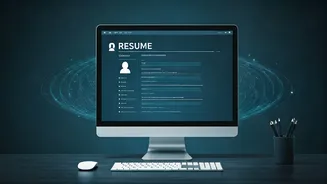
for your entire job search. These services, like Careerflow, Jobloo, and Teal, combine several functions: they scan for jobs, help you build an ATS-friendly resume, optimize your LinkedIn profile, and even track your applications in a single dashboard. [7, 12, 16] The core promise is to save you time and increase your chances by systematically tailoring your application to each specific role. [7, 9]
Key Features Demystified
While different platforms have their unique strengths, most of the popular new tools offer a similar suite of features. The AI Resume Builder is a cornerstone, instantly creating and tweaking your resume to highlight keywords from a job description. [7, 8] This is crucial for getting past the initial automated screening by Applicant Tracking Systems (ATS). [8] Another major feature is Application Autofill, which can automatically complete tedious online application forms. [7, 15] Beyond that, many offer AI-driven interview coaching, where you can run through mock interviews and get feedback on your answers, pacing, and use of filler words. [11, 14] Some even include a LinkedIn Optimizer to make sure your profile attracts recruiters. [7]
The Good: Your Unfair Advantage
The primary benefit of these tools is efficiency. What used to take hours—customizing a resume and cover letter for each application—can now be done in minutes. [3] For active job seekers, this means you can apply to more relevant roles in less time, significantly increasing your opportunities. Data from some platforms suggests users see a much higher callback rate for interviews compared to the industry average for cold applications. [16] These tools also help you decode what recruiters are looking for by analyzing the job description and ensuring your application speaks their language. [8] This gives you a data-driven edge, moving beyond just guessing what will work.
The Catch: Limitations and Risks
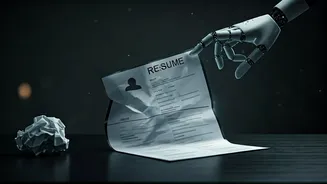
However, these tools are not a magic bullet. A common criticism is that the AI-generated content can be generic and lack the personal touch that makes a candidate stand out. [3] Over-reliance on AI can produce an application that feels robotic and misrepresents your unique skills or personality. [3] There's also the risk that the AI will inflate or embellish your experience to match keywords, which could be problematic in an interview. [3] Furthermore, there are data privacy concerns to consider when uploading your entire career history to a third-party platform. [9] Experts caution that these tools should be used as an assistant, not a replacement for human judgment and genuine effort. [8] Human qualities like leadership and creativity are still best assessed through personal interaction. [1]
Getting Started: The Human-in-the-Loop Approach
The most effective way to use an AI career tool is to keep yourself in the driver's seat. Start by using the platform to generate a baseline resume or cover letter. Then, go in and edit it extensively. Add your own voice, specific achievements, and unique personality. Use the AI as a brainstorming partner and an efficiency booster, not as a ghostwriter. [8] When using mock interview features, focus on the structural feedback but don't lose your authentic way of speaking. [14] Think of the AI as your personal career strategist—it provides the data and the first draft, but you make the final decisions and add the human touch that ultimately gets you the job.