






The Gambhir Factor and the 'RCB Agenda'
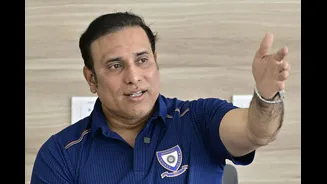
Gautam Gambhir, India's new head coach, is known for his fierce competitiveness, a trait that defined his playing career and his successful mentorship of IPL teams. His on-field history and candid comments about Royal Challengers Bengaluru (RCB) being
a team he always wanted to beat are well-documented. This has fueled speculation among fans that players from the franchise are being deliberately overlooked. However, attributing non-selection solely to a personal agenda oversimplifies the intricate process of building a national team. While the head coach's input is significant, the final decision rests with the national selection committee, headed by Ajit Agarkar. This committee analyzes a wide range of data, from domestic performances to fitness and long-term strategic goals, making it difficult for one individual's alleged bias to dictate the entire squad.
The Curious Case of Rajat Patidar
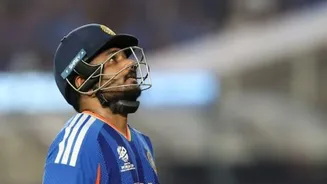
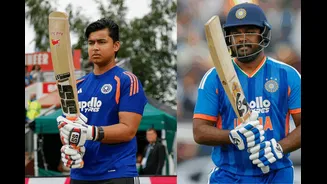
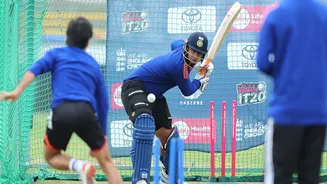
Rajat Patidar is a name on many fans' lips, and for good reason. He had a phenomenal IPL 2026, leading RCB to a title while scoring 501 runs at a staggering strike rate of 192.69. His explosive middle-order batting and ability to dominate spin are qualities India could arguably use. His non-selection for the recent Zimbabwe T20I tour, which features many new faces, has been particularly puzzling for his supporters. However, selectors might be weighing his incredible IPL form against the intense competition for middle-order spots in the Indian team. Players like Shreyas Iyer, who is captaining the Zimbabwe tour, Rinku Singh, and Shivam Dube occupy similar roles. Selectors often look at a player's consistency over several domestic seasons and performance in India 'A' tours, not just one standout IPL, as the criteria for a national call-up. Despite his IPL heroics, the logjam of talent in his position is likely a more significant factor than his franchise affiliation.
Rasikh Salam's Impressive Rise
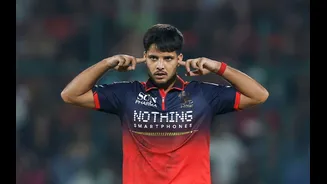
Kashmiri pacer Rasikh Salam was one of the finds of IPL 2026. Playing a crucial role in RCB's championship run, he emerged as the leading wicket-taker among uncapped players with 19 wickets in 12 matches, including a match-winning spell in the final. His ability to bowl difficult overs with control and variation earned him praise from across the cricket world. His omission from the Zimbabwe squad, which blooded uncapped pacers like Yash Thakur and Ashok Sharma, was seen as another potential slight against an RCB performer. The reality is that India's fast-bowling reserves are deeper than ever. The selection panel might be rotating opportunities to build a larger pool of international-ready pacers. While Rasikh was brilliant, players like Mayank Yadav, known for his express pace, were also brought into the fold for the tour. It's a classic case of an abundance of riches, where even a stellar season doesn't guarantee immediate selection.
Where Does Krunal Pandya Stand?
Krunal Pandya, now with RCB, is a seasoned all-rounder and a four-time IPL champion. He offers a valuable package: tight left-arm spin and handy lower-order batting. However, at 35, he faces stiff competition from a younger crop of all-rounders. Players like Harsh Dubey have been given a maiden T20I call-up for the Zimbabwe tour, indicating a focus on the future. While Krunal had a decent IPL 2026 season with both bat and ball, the national selectors seem to be prioritizing players who can serve the team for a longer duration. The all-rounder spot is fiercely contested with established names and rising stars vying for limited positions, making it a difficult task for anyone to break in without an overwhelmingly dominant season.
Beyond Agendas: The Selection Matrix
Ultimately, selecting the Indian cricket team is a complex puzzle. It's not just about picking the 15 most in-form players from the IPL. The process involves balancing the team for specific conditions, managing player workloads, creating backups for key roles, and planning for major tournaments. The recent squad for the Zimbabwe tour clearly shows an experimental approach, resting several senior players and testing the bench strength. While it's tempting to weave narratives around historical rivalries, the more pragmatic explanation for the absence of these players is a combination of intense competition for spots, a focus on specific role-players for the tour, and a long-term vision that looks beyond a single tournament's performance. The door is rarely shut on talent, and consistent performances in domestic cricket remain the most reliable path to a national cap.