





1. Okra (Bhindi)
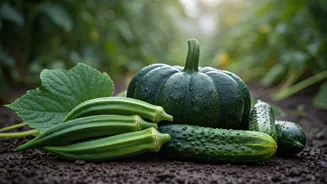
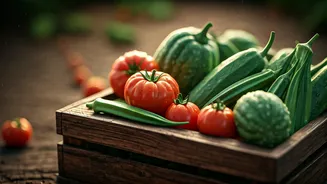
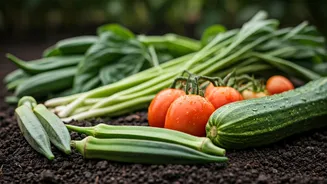
A beloved staple in Indian kitchens, Bhindi is one of the most reliable vegetables to grow during the monsoon. It loves the warm, humid weather and is relatively low-maintenance, making it perfect for beginners. The plant thrives in well-drained soil
and requires at least five to six hours of sunlight daily. Plant the seeds about an inch deep and 12 inches apart. You’ll see them sprout within a week. The key to a good okra harvest is to ensure the soil doesn't get waterlogged, which can be a challenge during heavy rains. If you're using pots, make sure they have plenty of drainage holes. You can expect to start harvesting the tender pods about 45-50 days after planting. Pick them when they are young and tender for the best flavour.
2. Bottle Gourd (Lauki)
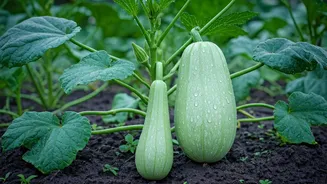
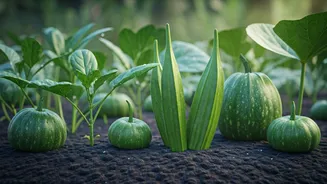
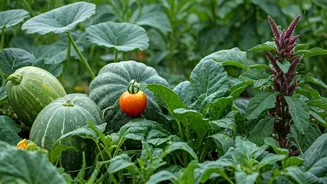
Lauki is a fast-growing creeper that flourishes in the monsoon. Its large leaves and sprawling vines are a common sight in kitchen gardens across the country. Since it’s a vine, it needs support to grow, so plan for a trellis, fence, or netting for it to climb on. This also helps with air circulation and prevents the fruit from rotting on wet ground. Sow two to three seeds together in a small pit or a large container filled with rich, loamy soil. Once the seedlings are established, keep the strongest one and remove the others. Bottle gourds are heavy feeders, so enriching your soil with compost or manure will yield great results. Regular watering is essential, but the monsoon rains will often take care of that for you. You can harvest the gourds when they are pale green and the skin is soft.
3. Brinjal (Baingan)
Brinjal, or eggplant, is another hardy plant that performs exceptionally well in the monsoon season. Available in various shapes and sizes, from the small round varieties to the long purple ones, they are a versatile addition to any garden. Brinjal plants can be grown from seeds or saplings. They prefer a sunny spot and well-draining soil rich in organic matter. They are also well-suited for container gardening, making them a great choice for urban gardeners with limited space. Protect the young plants from heavy downpours in the initial weeks. Once established, they are quite resilient. Pests can sometimes be an issue, so keep an eye out for common insects and consider using a simple neem oil spray as a natural deterrent.
4. Cucumber (Kheera)
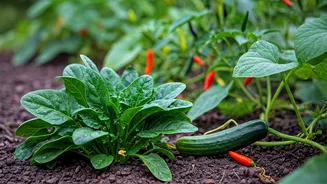
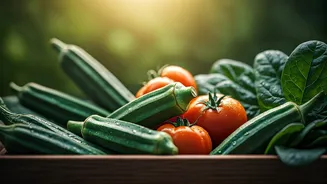
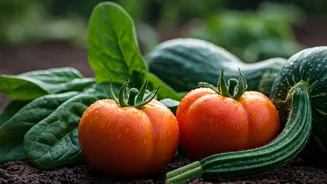
Nothing says fresh like a crunchy, homegrown cucumber. While many associate it with summer, cucumbers thrive in the high humidity of the monsoon. Like bottle gourds, most cucumber varieties are creepers and will need a trellis for support. This keeps the fruit clean and healthy. Ensure your soil is well-drained, as cucumbers are susceptible to fungal diseases in waterlogged conditions. Planting them in raised beds or large pots can help manage soil moisture effectively. They are relatively fast growers, and you can typically start harvesting within 50-70 days. The refreshing taste of a cucumber plucked straight from your garden is a reward in itself, perfect for salads and raitas.
5. Leafy Greens (Palak and Amaranth)
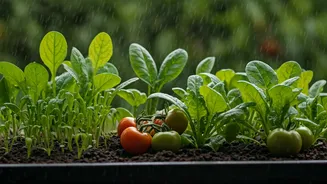
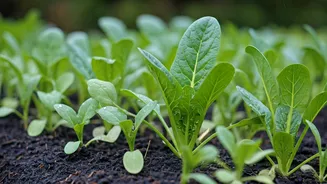
If you’re looking for a quick and rewarding harvest, leafy greens are your best bet. Spinach (Palak) and Amaranth (Chaulai Saag) are particularly well-suited for the monsoon. They grow incredibly fast and can be harvested multiple times. You can sow the seeds directly into pots or garden beds. They don’t require deep soil, making them ideal for shallow containers on a windowsill or balcony. The key is to provide them with rich soil and consistent moisture. You can start harvesting the outer leaves in as little as 25-30 days, leaving the inner leaves to continue growing for a continuous supply of fresh greens for your dals, sabzis, and smoothies throughout the season.
6. Bitter Gourd (Karela)
Known for its distinct taste and numerous health benefits, Karela is a robust vine that loves the monsoon climate. It’s a vigorous climber, so a sturdy trellis or support system is a must. The plant requires plenty of sunlight and soil that is rich in organic matter. Sow the seeds about an inch deep. To improve germination, you can soak the seeds in water overnight before planting. Like other gourds, ensuring good drainage is crucial to prevent root rot. Bitter gourds will be ready for harvest in about 55-60 days. Regular harvesting encourages the plant to produce more fruit, giving you a steady supply of this nutritious vegetable.