





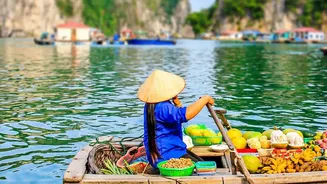
The New Southeast Asian Gateway
For Chennai residents with a taste for international travel, Southeast Asia has long been a favourite. Now, with increased flight connectivity and a wealth of tour options, a combined trip to Vietnam and Cambodia has become a compelling choice. While
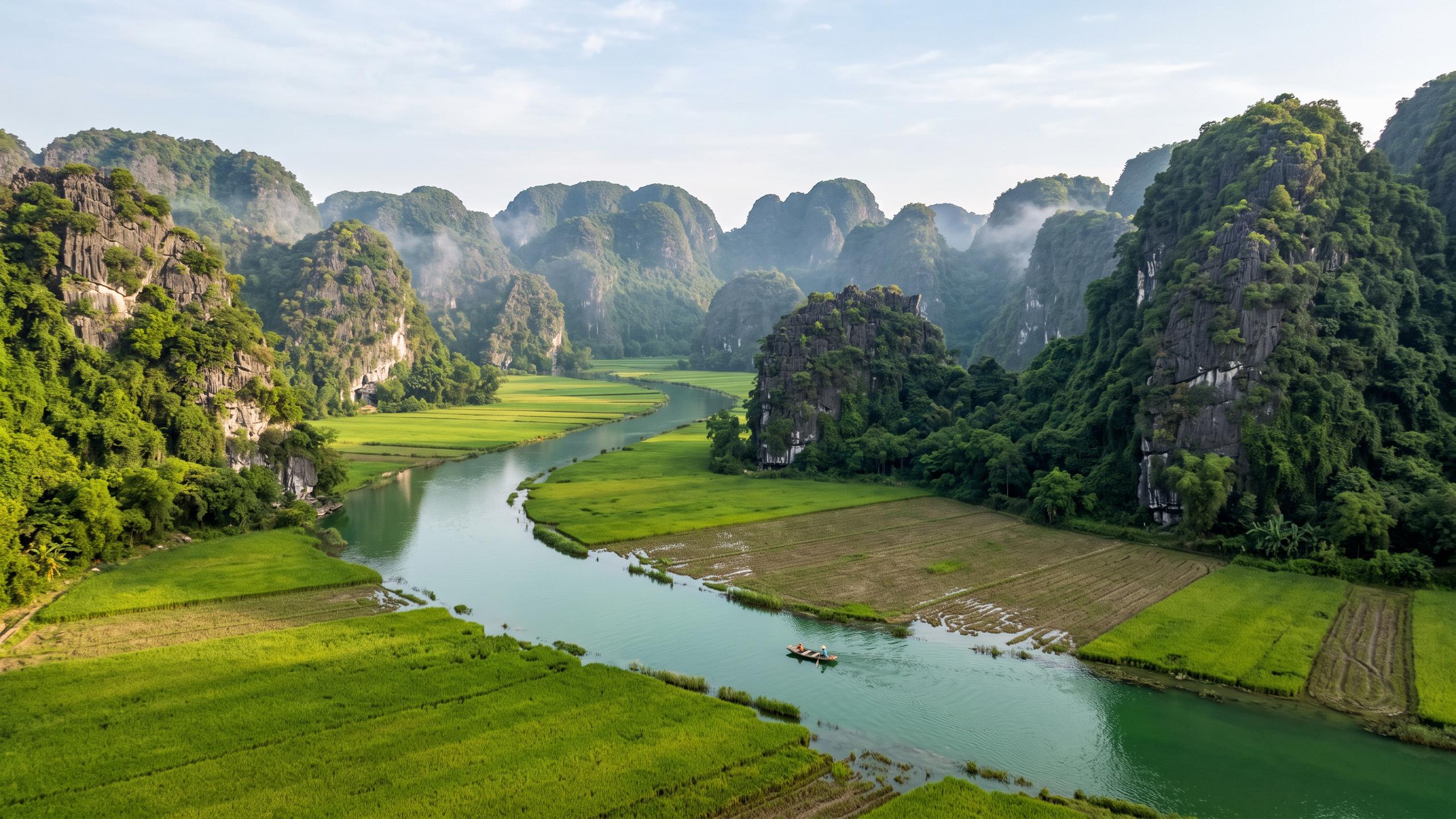
direct flights to both countries from Chennai are not consistently available, a host of one-stop flights operated by airlines like Singapore Airlines, Thai Airways, and Malaysia Airlines make the journey smooth and relatively short. These routes, often with a layover in hubs like Singapore, Bangkok, or Kuala Lumpur, have opened up the wonders of Hanoi's bustling streets, Ha Long Bay's limestone karsts, and the majestic temples of Angkor to a new wave of Indian travellers.
Visa Essentials for Indian Travellers
Getting your travel documents in order is the first step. For Indian passport holders, the visa process for both countries is refreshingly straightforward. Vietnam requires a visa, and the most recommended method is the e-visa, which can be applied for online through the official government portal. A 90-day e-visa costs around $25 for a single entry and takes 3-5 working days to process. For Cambodia, Indian citizens can obtain a visa on arrival at major airports or apply for an e-visa beforehand. The visa on arrival costs approximately $30 for a 30-day stay. For both countries, ensure your passport has at least six months of validity from your date of entry.
Choosing the Best Time to Go
Timing your trip can significantly impact your experience. The best period to visit both Vietnam and Cambodia is during their dry season, which generally runs from November to April. This window offers pleasant temperatures, lower humidity, and minimal rainfall, making it ideal for sightseeing and outdoor activities like exploring the Angkor temple complex or cruising Ha Long Bay. Months like February and March are often considered the sweet spot, with great weather and slightly fewer crowds than the peak December-January holiday period. Keep in mind that Vietnam's weather varies from north to south; the north can be cool in winter, while the south remains warm.
Crafting Your Itinerary: A Tale of Two Countries
A combined tour offers a rich tapestry of history, culture, and natural beauty. Most itineraries suggest 10 to 14 days to comfortably cover the highlights. You could start in Vietnam's south with Ho Chi Minh City, exploring its colonial architecture and the nearby Cu Chi Tunnels. Then, head north to Hanoi, the capital, and take an overnight cruise through the iconic Ha Long Bay. From Vietnam, you can fly to Cambodia. Siem Reap is the essential first stop, serving as the base for exploring the awe-inspiring Angkor Wat, Bayon, and Ta Prohm temples. Finish your journey in Phnom Penh, Cambodia's capital, to understand its poignant history at the Royal Palace and the Tuol Sleng Genocide Museum. Many tour operators offer packages that handle the logistics between these cities.
Budgeting and Practical Tips
Both Vietnam and Cambodia are known for being budget-friendly destinations where the Indian Rupee stretches far. A comfortable mid-range budget, including accommodation, food, and local transport, can range from ₹3,000 to ₹5,000 per day per person, excluding flights and visa fees. The local currencies are the Vietnamese Dong (VND) and the Cambodian Riel (KHR), though US Dollars are widely accepted in Cambodia, especially for larger transactions and visa payments. Street food is a highlight in both nations and offers delicious meals for a fraction of the cost of restaurant dining. For transport, ride-hailing apps like Grab are prevalent in major cities and provide a convenient way to get around.
Cultural Etiquette and Safety
When visiting religious sites like temples and pagodas, it is crucial to dress modestly. This means covering your shoulders and knees. It's a sign of respect and often a requirement for entry into sacred areas like Angkor Wat or the Grand Palace. While both countries are generally safe for tourists, it's wise to take standard precautions. Keep an eye on your belongings in crowded markets, be cautious of petty scams, and always confirm taxi fares before starting your journey. Drinking bottled water is recommended. Embracing local customs, like learning a few words in the local language, will go a long way in enhancing your travel experience.