





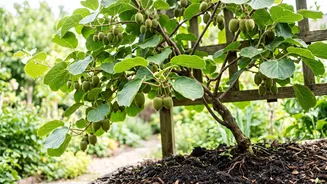
Choosing the Right Kiwi for Your Garden
Success with kiwi starts with selecting the right variety. Not all kiwis are suited for every climate. In India, cultivation is most successful in the temperate and sub-temperate hill regions of states like Himachal Pradesh, Uttarakhand, Arunachal Pradesh, and Sikkim,
which provide the necessary winter chilling hours. The most popular commercial variety is 'Hayward,' a green-fleshed kiwi known for its large fruit and good shelf life. Other varieties like 'Allison' and 'Bruno' are also grown. It's crucial to check which types thrive in your specific altitude and climate, as some, like gold kiwi, prefer warmer conditions but are more frost-sensitive.
The Pollination Puzzle: Male and Female Plants
One of the most critical aspects of growing kiwifruit is understanding their pollination needs. Most kiwi plants are dioecious, which means individual plants are either male or female. Only female plants produce fruit, but they need a male plant nearby to provide pollen. For home gardeners, this means you'll need to plant at least one of each. A single male vine can typically pollinate up to eight female vines. When purchasing plants, ensure you get compatible varieties whose flowering times overlap. For smaller gardens, a self-fertile variety like 'Issai' can be an option, though most common large-fruited varieties require a partner.
Planting Your Vines for Success
Kiwis are vigorous climbers that need a sunny, sheltered spot to thrive. They require at least six to eight hours of direct sunlight per day. The soil should be well-drained, fertile, and slightly acidic, with a pH between 5.5 and 6.5. Heavy clay soils that retain water can lead to root rot, so amending the soil with plenty of organic compost before planting is essential. The best time to plant is in late winter or early spring, after the risk of heavy frost has passed. When you plant, ensure the young vines are spaced about 3-4.5 metres apart to allow for ample growth.
A Strong Support System Is Essential
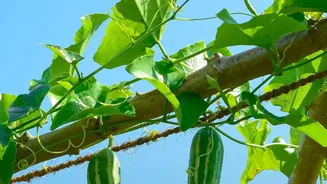
Do not underestimate the vigour of a kiwi vine. These plants are not trees; they are powerful climbers that can grow over 20 feet long and become incredibly heavy, especially when laden with fruit. From day one, they need a very strong and sturdy support structure. A robust T-bar trellis, pergola, or a well-built archway is ideal. This not only supports the weight of the vine but also trains it to create a productive framework and, eventually, the wonderful shaded canopy mentioned in the headline. Flimsy supports will quickly collapse, so it’s worth investing time and materials in building a durable structure.
Care, Pruning, and the Patient Wait
Once established, kiwi vines require consistent care. They need regular, deep watering, especially during dry summer months, but dislike waterlogged soil. Fertilize the plants in spring with a balanced fertilizer or well-rotted manure to support their vigorous growth. Pruning is perhaps the most important annual task. It's essential for managing the vine's size and encouraging fruit production. A major prune is done in winter when the vine is dormant, with a lighter summer prune to control excess growth and allow sunlight to reach the developing fruit. The 'patience' part of the headline is key here; kiwi vines typically take three to five years after planting before they begin to bear a significant amount of fruit.
The Sweet Reward: Harvesting Your Fruit
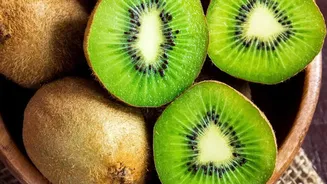
After years of care, the first harvest is a truly rewarding moment. Kiwifruit is typically ready to be picked in the autumn. The fruits should be harvested when they are full-sized and firm, as they ripen best off the vine. You can test for ripeness by cutting one open; if the seeds are black, it's time to harvest. Handle the fruit gently to avoid bruising. To ripen them, simply leave them at room temperature for a few days. Placing them in a paper bag with a banana or apple will speed up the process. A mature, well-cared-for vine can produce an abundance of fruit for decades.