


The Allure and the Pitfalls
From the lush valleys of Sikkim to the high-altitude deserts of Ladakh and the iconic trekking routes of Nepal, the Himalayas offer an escape unlike any other. The crisp air and stunning mountain scenery during peak seasons like autumn (post-monsoon)
and spring are a major draw for tourists worldwide. However, this popularity comes with challenges. Overcrowding in popular destinations like Manali can lead to traffic jams and strained resources. More importantly, the rush creates an environment where booking scams and misinformation can thrive, turning a dream trip into a stressful ordeal. Common issues range from fake hotel listings and phantom bookings to last-minute itinerary changes and unqualified guides.
Vet Your Tour Operator Thoroughly
Your choice of tour operator can make or break your Himalayan adventure. Before committing, it is crucial to verify their legitimacy. Start by checking if the company is legally registered. In Nepal, for instance, a reputable company should be registered with the Nepal Tourism Board (NTB) and ideally be a member of the Trekking Agencies' Association of Nepal (TAAN). In India, check for registration with the Ministry of Tourism or affiliation with bodies like the Indian Mountaineering Foundation (IMF). Do not just rely on reviews on the company's own website. Search for independent reviews on platforms like Google, Reddit, or trusted travel forums to get a more balanced picture of their reliability and safety standards. Be wary of operators who are vague when you ask for registration details.
Confirm Every Single Detail
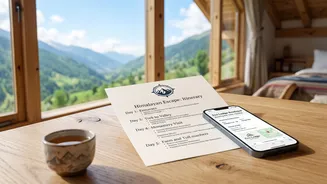
A booking confirmation email is just the start. The key to a seamless trip lies in confirming the specifics. Do not assume anything is included. Your checklist should include: the exact itinerary day-by-day, what meals and transport are covered, the type and standard of accommodation, and whether necessary permits are part of the package. In the Himalayas, a guide’s qualification is not just a bonus; it’s a safety essential. Ask about their wilderness first-aid training and experience at high altitudes. Itinerary changes can sometimes happen due to weather or trail conditions, which is understandable, but your operator should be transparent about these possibilities from the outset. Hidden charges are a common complaint, so get a clear list of what is and is not included in the price.
The Power of Direct Contact
Even if you book through a major online travel agent, making direct contact with the actual service provider on the ground is a non-negotiable step. Call the hotel to confirm your reservation details personally. Third-party bookings can sometimes lead to issues like less desirable rooms, lost reservation data, or complications if you need to make changes. Direct communication cuts through the confusion, ensures your requests are heard, and confirms that the booking actually exists. Scammers often create fake websites or listings that look real. A direct phone call to a number verified through an official social media page or government tourism site is your best defence against arriving to find you have no room.
Understand the 'Holiday Season' Challenges
The 'holiday season' in the Himalayas is not one single period. The popular autumn trekking season (September-October) offers clear views but also crowded trails. Conversely, some winter destinations are popular for snowfall but come with the risk of road closures. Climate change is also making weather patterns less predictable, increasing risks of landslides and floods, which can disrupt travel plans. Your planning should account for this. Build flexibility into your schedule and talk to your operator about their contingency plans for weather-related delays or route changes. This is especially critical in a region where a sudden storm can close a high pass for days.
Don’t Skimp on Travel Insurance
Standard travel insurance is often not enough for a Himalayan trip, especially if it involves trekking. You need a specialized policy that explicitly covers high-altitude trekking, often specifying the maximum elevation (e.g., up to 6,000 meters). The most critical component is emergency medical evacuation, including by helicopter, which can be astronomically expensive in remote regions. Ensure your policy includes search and rescue, trip cancellation, and medical coverage for altitude-related illnesses. Read the fine print carefully before you buy. Having the right insurance is your ultimate safety net, providing peace of mind so you can focus on the incredible experience.