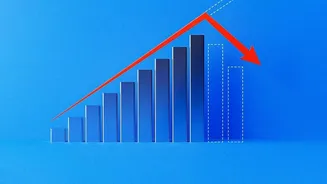








The Invisible Drain of Digital Spending
In an era dominated by UPI, mobile wallets, and tap-to-pay, spending money has become frictionless. This convenience is a double-edged sword. While efficient, it makes our spending feel less real compared to handing over physical cash. A quick scan for
a coffee, a tap for lunch, or an auto-renewed subscription often happen without a second thought. Reports show that for young Indians, a significant volume of transactions are small, frequent, and digital. One study highlighted that 74% of young users make more than 50 digital payments a month, with a large portion of these being for amounts under ₹200. These micro-spends on food delivery, groceries, and entertainment create a financial blind spot, making it difficult to understand where your money truly goes.
The Psychological Power of Awareness
The primary benefit of tracking isn't about restricting yourself; it's about gaining awareness. Psychologists refer to this as the 'feedback effect'. When you actively log or review each expense, you create a conscious connection between the action of spending and its impact on your budget. This simple act of observation often changes behavior automatically. Seeing that daily cab rides or frequent food orders add up to a substantial amount each month is often a powerful eye-opener. It moves you from a passive spender to an active decision-maker, turning confusion into clarity and reducing the financial stress that comes from feeling out of control.
Choosing Your Method: Apps and Tools
Getting started is easier than ever, thanks to a variety of tools designed for the Indian market. You don't need a complicated system; you just need one you'll stick with. Many young professionals turn to budgeting apps that automatically track expenses by reading transaction SMS alerts from banks and UPI apps. Apps like Money Manager, INDMoney, and Fi Money offer features that categorize your spending, provide visual reports, and allow you to set budgets. For those who prefer a more hands-on approach, a simple spreadsheet or even a dedicated notebook can be just as effective. The key is to log expenses consistently, whether daily or weekly, to build a clear picture of your financial habits.
From Tracking Data to Taking Action
Once you have a few weeks of data, you can start identifying patterns. Are you spending more than you thought on subscriptions or weekend outings? This is where tracking transforms into active financial planning. A popular framework is the 50/30/20 rule, where 50% of your income goes to needs (rent, bills), 30% to wants (entertainment, dining out), and 20% to savings and investments. Your tracked data will show you how your spending aligns with this. If you notice an imbalance, you can make informed adjustments. This isn't about cutting out all fun; it's about making conscious trade-offs. Maybe you cancel an unused streaming service to fund a weekend trip or cook a few more meals at home to boost your investment contributions.
Turning Small Changes into Big Savings
The cumulative effect of small savings is profound. One financial expert shared an anecdote about a client who discovered he was spending ₹10,000 more per month on food delivery than he estimated. Over a year, that amounts to ₹1,20,000—a significant sum that could be used for a down payment, an emergency fund, or a major investment. By identifying and redirecting these small, recurring leaks, you give every rupee a purpose. The goal is to align your daily spending with your long-term aspirations. Tracking your small digital payments is the first, most crucial step toward building a secure financial future, one transaction at a time.