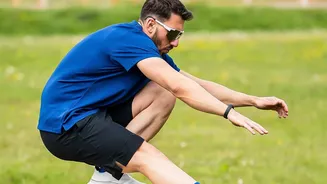




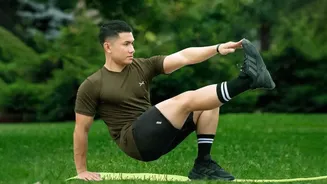
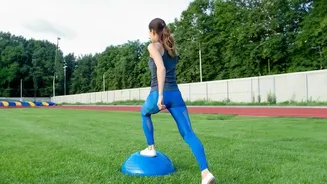

Hiking and skateboarding are fantastic ways to get outside and move, but how do they stack up when it comes to building core strength? While both challenge your midsection, they do so in surprisingly different ways, targeting muscles for distinct purposes.
First, What Is The Core?
Before comparing, it’s helpful to understand what the 'core' really is. It’s not just the six-pack muscles (rectus abdominis). Your core is a complex group of muscles that includes your abs, obliques (sides), lower back, diaphragm, and even the muscles around your hips and pelvis. Together, they act as your body's center of gravity and foundation for almost all movement, providing stability, transferring power, and protecting your spine. A strong core is crucial for balance, posture, and preventing injury, whether you're on a trail or a board.
Hiking: The Endurance Stabilizer
Hiking demands consistent, low-level core engagement for long durations. Think of your core as a stabilizing anchor. As you navigate uneven terrain, your core muscles fire constantly to keep your torso upright and prevent you from losing balance over rocks, roots, and inclines. This is especially true when carrying a backpack, which adds weight that your core must manage to prevent strain on your lower back. The work is primarily isometric and endurance-based; your core’s job is to resist unwanted movement and maintain posture for hours, building incredible stability and stamina in the muscles of the lower back and deep abdomen.
Skateboarding: The Dynamic Balancer
Skateboarding engages the core in a completely different manner. It’s all about dynamic, reactive balance. Instead of sustained stability, skateboarding requires constant, rapid micro-adjustments to stay upright on a moving surface. Virtually every muscle is involved. Pushing, turning, and carving all demand that your core—especially your obliques and abs—work to control rotation and shifts in your center of gravity. When you crouch, your glutes and hamstrings engage; when you stand, your core keeps you from falling. This type of engagement builds explosive power and coordination, as the core must react instantly to maintain balance and control the board.
A Head-to-Head Comparison
The fundamental difference lies in the type of stability required. Hiking builds endurance-focused stability. The core is braced for long periods to support posture and absorb the impact of walking on varied surfaces. It’s a marathon of subtle control. Skateboarding, on the other hand, builds reactive, dynamic stability. It’s a series of sprints, where the core must fire quickly and powerfully to correct imbalances and generate force for movement and tricks. A hiker's core is trained to prevent motion, while a skater's core is trained to control and initiate motion. Both activities are excellent for developing a strong midsection, but they hone different aspects of core function.
Which Is Right for Your Goals?
Choosing between hiking and skateboarding for core work depends on what you want to achieve. If your goal is to build foundational stability, improve your posture, and develop the endurance to prevent back pain during long activities, hiking is an excellent choice. If you're looking to improve your reflexes, coordination, and the ability to generate explosive power from your torso, skateboarding offers a unique challenge. Many athletes even use skateboarding as a cross training tool to improve balance and core control in other sports, like surfing. For a well rounded fitness routine, incorporating both activities could provide the dual benefits of sustained stabilization and dynamic, reactive strength.