







From Breakfast Staple to Viral Sensation
For generations, the idli has been a dependable, nutritious, and beloved constant. But recently, something has shifted. This simple steamed rice cake is now the star of countless Instagram reels, YouTube shorts, and food vlogs. Food influencers are showcasing
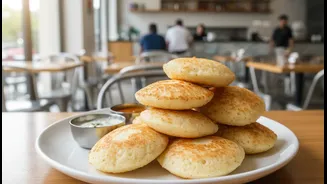
it in ways that go far beyond the traditional plate of idli-sambar. We are seeing everything from mini idlis tossed in spicy 'podi' masala and ghee to creative fusion dishes like idli burgers and fried idli sticks served with exotic dips. Social media platforms are filled with slow-motion videos of batter being poured, steam rising from cookers, and visually stunning platings that make this everyday food look aspirational. This isn't just about food; it's about visual storytelling that makes a familiar item feel new and exciting again.
The Anatomy of a Food Trend
Why is idli having its moment in the digital spotlight now? Several factors are converging. Firstly, there is a growing appreciation for regional and traditional Indian foods, with consumers actively seeking authentic culinary experiences. Secondly, health consciousness plays a major role; as a steamed, fermented, and gluten-free food, idli ticks all the right boxes for a modern, wellness-oriented audience. Finally, its versatility makes it a perfect canvas for innovation. Food creators can experiment with different batters (like ragi or oat idlis), stuffings, and presentations, generating endless content that algorithms and audiences reward. Platforms like Instagram have effectively become India's new food search engines, where visual appeal directly drives consumer interest and trends can spread globally in a matter of hours.
From Clicks and Comments to Customers
The critical question for any entrepreneur is whether online buzz can translate into offline revenue. The evidence suggests it can. Social media provides a powerful, low-cost way to validate market demand. An influencer's post about a unique idli dish that gets thousands of likes and comments is a real-time focus group, indicating a ready customer base. This data is invaluable for anyone considering launching a food business. Before investing in expensive real estate, an entrepreneur can test concepts through a delivery-only cloud kitchen. These setups, which operate out of shared kitchen spaces and rely on platforms like Swiggy and Zomato, have lower startup costs and allow for rapid experimentation with menu items, pricing, and branding. A successful cloud kitchen can then build the brand recognition and customer loyalty needed to justify a physical storefront.
The Rise of Specialised QSR Chains
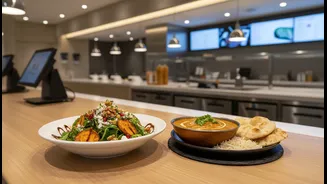
The Indian quick-service restaurant (QSR) market is booming, with significant investor interest in brands that offer scalable, standardized models. We have seen this playbook succeed with momos, biryani, and waffles—dishes that were once fragmented and largely unorganised but have now been transformed into national franchise chains. Idli is perfectly positioned to be the next major category. Companies like IDC Kitchen, which stands for Idli, Dosa, and Coffee, are already demonstrating the potential of a specialised, modern South Indian QSR format. A new generation of idli-centric brands could take this further, building on a foundation of authentic flavours while incorporating modern marketing, tech-driven operations, and an Instagram-friendly aesthetic to appeal to a younger, urban demographic.
Challenges Beyond the Batter
The opportunity is clear, but so are the challenges. The food market is incredibly competitive. A successful idli venture cannot just be a fleeting social media gimmick; it must be built on a foundation of quality, consistency, and operational excellence. Maintaining the perfect texture of an idli at scale, ensuring the freshness of sambar and chutneys across multiple outlets, and managing a complex supply chain are significant operational hurdles. Furthermore, while social media can create rapid fame, trends can also be short-lived. Building a sustainable business requires moving beyond viral hits to create lasting brand loyalty. The businesses that succeed will be those that use social buzz as a launchpad, not a final destination, focusing on building a strong product and a loyal community that stays long after the initial hype fades.