







The Double Threat to Your Skin
Delhi's winter presents a two-pronged attack on your skin. First, the cold, dry air holds less moisture, which actively pulls hydration out from your skin's surface. This process, known as transepidermal water loss, is often made worse by indoor heaters
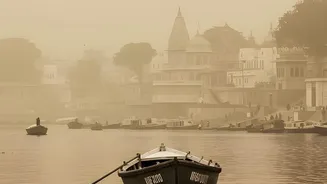
that further dry out the air. The second, more insidious threat is the sharp rise in air pollution. The city's infamous winter smog is dense with fine particulate matter, especially PM2.5, which are tiny particles that can penetrate the skin's outer layers. This combination of low humidity and high pollution creates a perfect storm that compromises your skin's natural protective barrier, leading to a cycle of dryness, sensitivity, and inflammation.
How Pollution Harms the Skin Barrier
Your skin barrier is a complex shield of lipids and cells designed to keep moisture in and irritants out. Pollution, particularly PM2.5, actively works to break it down. These fine particles generate free radicals on the skin, leading to oxidative stress—a process that damages skin cells, breaks down collagen, and weakens the barrier. A compromised barrier can no longer effectively retain water, leading to persistent dryness and dehydration. Furthermore, studies show that pollutants can trigger inflammatory responses, resulting in redness, itchiness, and flare-ups of conditions like eczema. This constant assault can also accelerate premature ageing, contributing to fine lines and pigmentation spots.
Start With a Gentle Cleanse
The first step in defending your skin is removing the daily accumulation of grime and pollutants without causing further damage. It's crucial to avoid harsh, stripping cleansers that can leave your skin feeling tight. Opt for a gentle, fragrance-free, and hydrating formula, perhaps one containing ingredients like ceramides or glycerine. Use lukewarm water instead of hot, as high temperatures can strip the skin of its natural oils. The goal is to cleanse thoroughly enough to remove pollutants, but gently enough to preserve the integrity of your skin barrier.
Layer Hydration Strategically
Once your skin is clean, the focus shifts to replenishing and locking in moisture. In Delhi's dry winter, a single layer of moisturiser often isn't enough. Think about layering your hydration. Start with a hydrating toner or essence on damp skin, followed by a serum containing humectants like hyaluronic acid, which draw moisture into the skin. Follow this with a richer moisturiser than you might use in the summer. Look for creams with ceramides, which are lipids that help repair the skin barrier. This multi-step approach ensures your skin receives and, more importantly, retains the hydration it desperately needs.
Seal and Protect from the Elements
After hydrating, the final step is to seal it all in and protect your skin from the environment. An occlusive product, like a facial oil or a balm, can be applied as the last step in your nighttime routine to create a physical barrier that prevents moisture loss overnight. During the day, sunscreen is non-negotiable. Many people assume hazy, grey skies mean they can skip SPF, but UV rays penetrate clouds and smog. In fact, sun exposure can amplify the oxidative stress caused by pollution. A broad-spectrum sunscreen with at least SPF 30 is essential to protect your skin from UV damage and support its overall health.
Lifestyle Tweaks for Better Skin
What you do internally and in your environment matters just as much as what you apply topically. Using a humidifier in your home can add much-needed moisture back into the dry indoor air, providing significant relief for your skin. Staying well-hydrated by drinking plenty of water and eating water-rich foods also supports your skin's hydration levels from within. Furthermore, a balanced diet rich in antioxidants—found in fruits and vegetables—can help your body combat the oxidative stress caused by pollution. These small adjustments can work in tandem with your skincare routine to keep your skin comfortable and resilient through the hazy season.