






The Problem with Modern Breakfasts
In the rush of modern life, breakfast often becomes an afterthought. We reach for what's quick and convenient—sugary cereals, refined-flour toast, or processed snacks. While these provide a fast burst of energy, it's short-lived. These foods are typically
high in simple carbohydrates, which cause a rapid spike in blood sugar levels. Your body releases a surge of insulin to manage this, leading to the inevitable 'crash' a couple of hours later. This cycle leaves you feeling tired, unfocused, and reaching for another quick fix, disrupting your energy and productivity for the rest of the day.
Millets: The Smart-Carb Solution
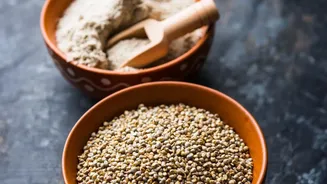
This is where traditional wisdom offers a powerful solution. Millets, a diverse group of grains like ragi (finger millet), jowar (sorghum), and bajra (pearl millet), are nutritional powerhouses that have been part of Indian diets for centuries. The key to their effectiveness lies in their carbohydrate structure. Unlike the simple carbs in processed foods, millets are packed with complex carbohydrates. These are larger molecules that the body breaks down slowly, ensuring a gradual and steady release of glucose into the bloodstream. This process prevents the dramatic spikes and crashes associated with modern breakfast choices.
The Science of Sustained Energy
Two main factors contribute to the sustained energy release from millets: a low glycemic index (GI) and high fiber content. The GI measures how quickly a food raises blood sugar. With an average GI of around 52.7, millets are significantly lower than refined wheat (around 74) and white rice (around 72). This low GI means energy is released slowly, keeping you feeling balanced and active for longer. Furthermore, millets are rich in dietary fiber, which slows down digestion and the absorption of sugar. This combination of low-GI carbs and high fiber is the secret to preventing mid-morning slumps and maintaining consistent energy levels throughout your busy day.
More Than Just Energy
The benefits of starting your day with millets extend far beyond stable energy. These ancient grains are naturally gluten-free and packed with essential nutrients. They are a good source of plant-based protein, which aids in muscle repair and contributes to feeling full. They are also rich in vital minerals like iron, which is crucial for carrying oxygen in the blood; magnesium, which supports muscle and nerve function; and calcium, which is essential for bone health. Ragi, for instance, has about ten times the calcium of rice or wheat. This nutrient density makes a millet breakfast a holistic choice for overall well-being.
Easy Ways to Start Your Day with Millets
Incorporating millets into your morning routine doesn't have to be complicated. Many traditional Indian breakfast recipes are naturally quick, delicious, and perfect for a modern schedule. You can start with a simple ragi porridge (kanji), which can be prepared in about 10 minutes. Another great option is a savory upma made with foxtail millet (thinai) or kodo millet (varagu), which cooks in under 20 minutes. For those who prefer dosas, batter made from millet flour is a fantastic, nutritious alternative. Even ready-to-use millet vermicelli or flakes can be used to whip up a wholesome meal in minutes, ensuring you get a powerful start to your day without the stress.