



A New Generation Reimagines Bhog
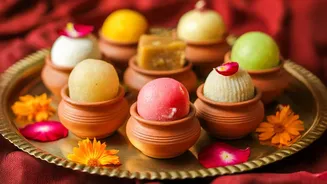
Janmashtami, celebrating the birth of Lord Krishna, is a festival steeped in joyful traditions, with food playing a central role. The offering, or 'bhog', often includes a variety of milk-based sweets and rich preparations to honour Krishna's legendary
love for butter and sweets. Yet, as awareness around wellness and mindful eating grows, many young Indians are finding creative ways to adapt these cherished recipes. This isn't about rejecting tradition, but rather about evolving it. The focus is shifting from high-sugar indulgence to wholesome goodness, ensuring that the festive spirit can be enjoyed without the subsequent sugar crash or guilt.
Smart Swaps: The Rise of Natural Sweeteners
The key to transforming traditional sweets lies in replacing refined white sugar with healthier, natural alternatives. Jaggery (gur), a staple in Indian kitchens, is a frontrunner. Both sugarcane and date palm jaggery are unrefined and retain minerals like iron and potassium. Date palm jaggery, in particular, offers a deep, caramel-like flavour perfect for festive sweets and has a lower glycemic index than cane jaggery. Other popular choices include date paste, which adds fibre and binding, and fig (anjeer) paste, which lends a unique texture and sweetness. For those seeking zero-calorie options, plant-based sweeteners like stevia and monk fruit are also gaining popularity, although they are best used in specific preparations like kheer or shrikhand.
Classic Sweets, Healthier Avatars
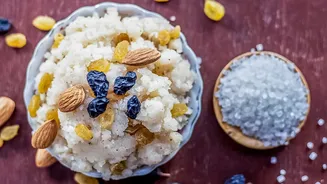
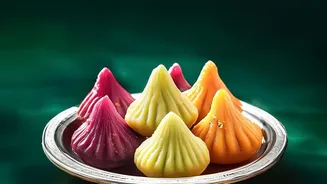
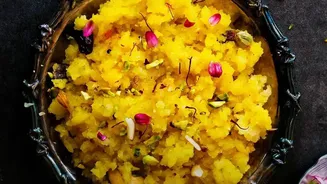
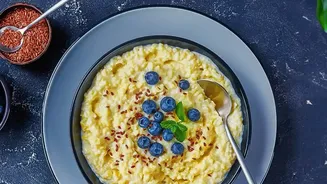
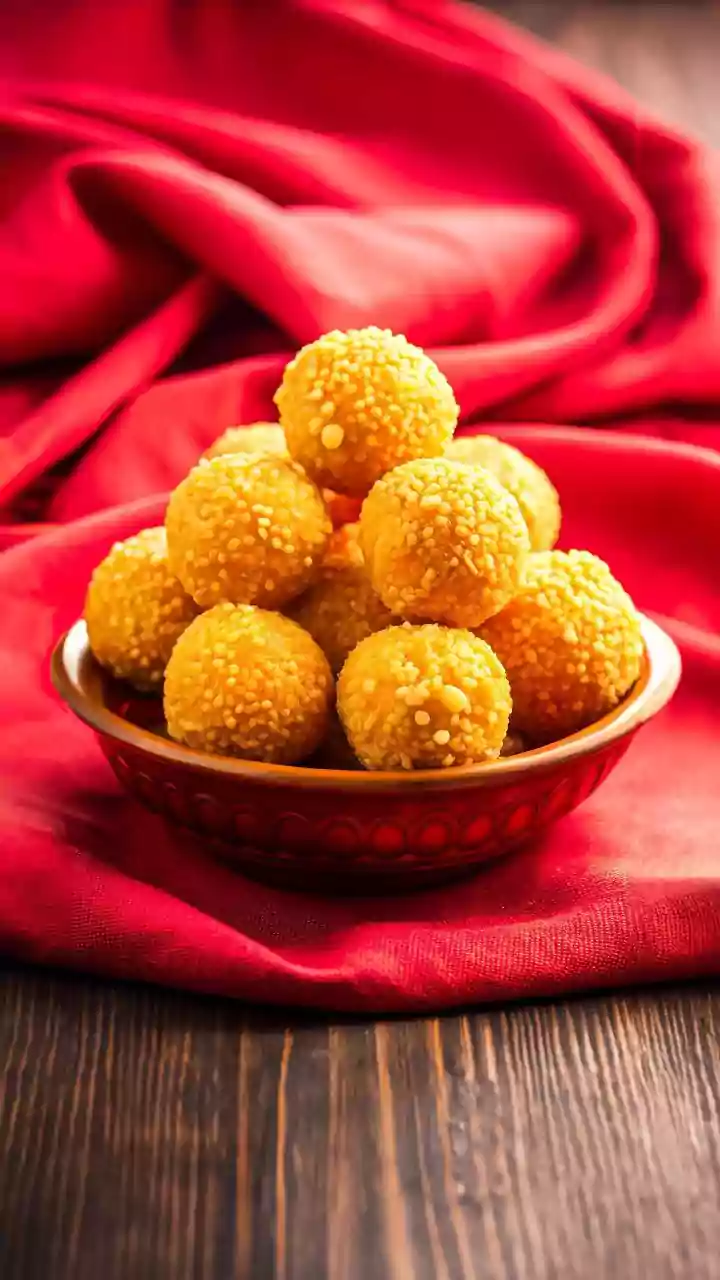
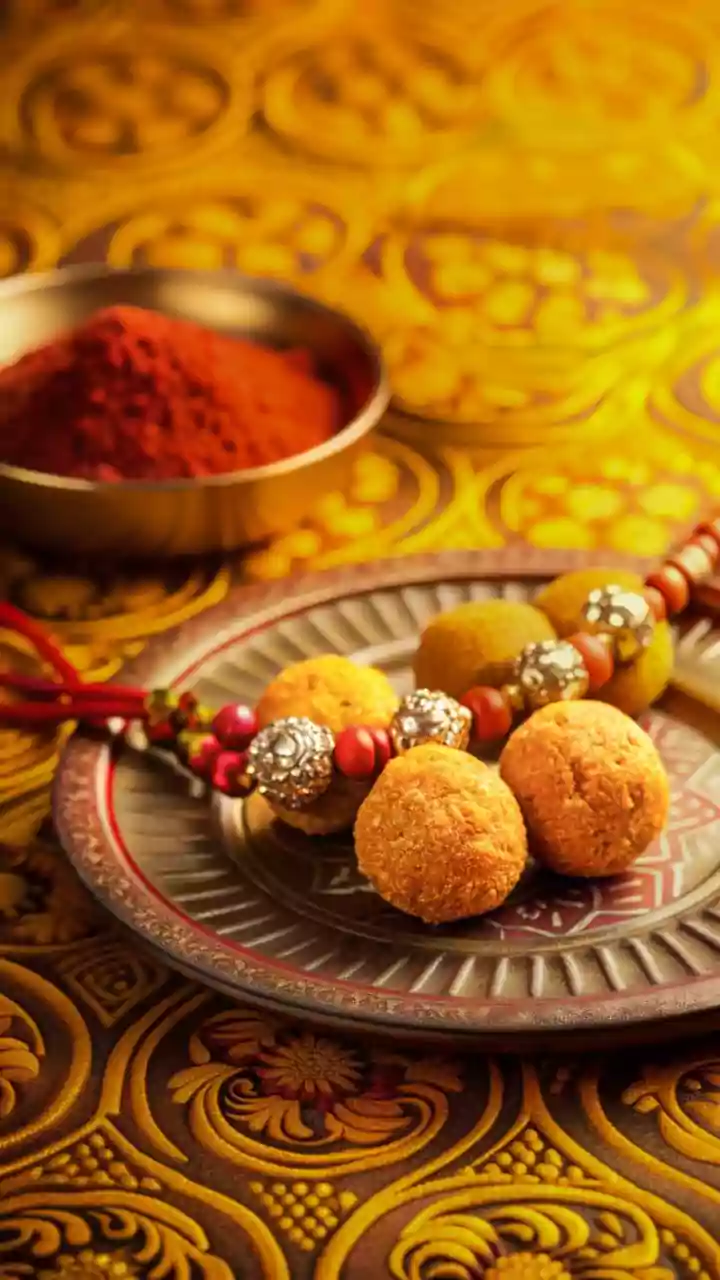
Almost any traditional Janmashtami sweet can be given a low-sugar makeover. Take the classic Peda, traditionally made with khoya and sugar; a modern twist uses fig paste (anjeer) and milk to create a rich, satisfying sweet without any added sugar. Similarly, creamy Kheer can be prepared with almond milk and sweetened with a few drops of stevia or a spoonful of jaggery powder, then garnished with nutrient-dense nuts and saffron. Ladoos are incredibly versatile. Instead of besan, one can use ragi flour combined with grated coconut and jaggery, creating a protein-packed treat. Another popular option is a dry fruit ladoo, where dates provide all the necessary sweetness and binding power for a mix of roasted nuts and seeds.
More Than Just Sugar: Other Healthy Tweaks
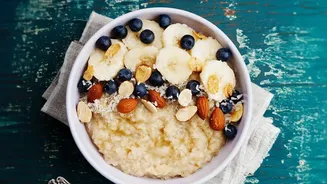
Beyond swapping sweeteners, other simple changes can boost the nutritional profile of your festive spread. Using whole grains like ragi or whole wheat flour instead of refined flour for panjiri adds fibre and nutrients. Incorporating healthy fats from ghee, coconut, and nuts not only enhances flavour but also promotes satiety, making you less likely to overindulge. For desserts like Rabdi, using sweet potato as a base instead of relying solely on condensed milk adds fibre, vitamins, and natural sweetness. Even a simple change like roasting nuts and seeds instead of deep-frying them can make a significant difference to the overall health quotient of the prasad.