






From Price-First to Value-Conscious
The era of chasing the absolute lowest price is slowly giving way to a more mature consumer mindset. While a good deal is always welcome, today's Indian shopper is increasingly looking for overall value. This includes better product quality, brand trustworthiness,
and sustainable or ethically sourced products. The modern consumer is willing to pay a bit more for a brand that aligns with their values or offers a superior experience, a clear departure from the purely discount-driven behaviour of the past. This shift is especially visible among shoppers who are now more selective, trading up to better quality within their budget rather than simply buying the cheapest option available.
The Direct-to-Consumer (D2C) Revolution
A major force driving this change is the explosion of Direct-to-Consumer (D2C) brands. These digital-native companies, born on social media and their own websites, bypass traditional marketplaces to build a direct relationship with customers. Brands in fashion, beauty, personal care, and food have leveraged this model to offer unique products and build strong communities. They compete not on massive price cuts but on brand story, niche appeal, and rapid innovation based on direct customer feedback. With the Indian D2C market growing at 25-30% annually, it's clear that consumers are embracing this new way of shopping that offers more than just a generic, discounted product.
The Unstoppable Rise of Quick Commerce
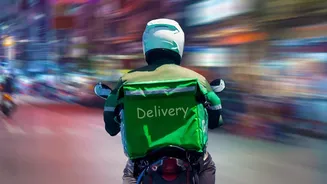
Convenience has become a powerful new currency in Indian e-commerce, and nowhere is this more evident than in the quick commerce boom. Platforms promising delivery in under 30 minutes have fundamentally changed expectations, especially for groceries and daily essentials. What began with milk and bread has now expanded into categories like beauty, electronics, and pet care. This model's success proves that speed is a value proposition many are willing to choose over a discount. Quick commerce has effectively 'de-seasonalized' shopping for many household needs, creating consistent, year-round demand.
Shopping Becomes Entertainment
Online shopping is no longer just a transaction; it's a form of entertainment. The rise of social commerce and live shopping is turning platforms like Instagram and YouTube into dynamic storefronts. Influencers and content creators are the new shop assistants, demonstrating products in real-time and enabling purchases directly within the video stream. This interactive and immersive experience collapses the journey from discovery to purchase into a single tap. With the Indian live commerce market projected to grow at over 40% annually, it represents a fundamental shift in how brands engage with and sell to a digitally native audience.
The Bharat Effect: Powering the Next Wave
Perhaps the most significant trend is the growing dominance of shoppers from Tier-2 and Tier-3 cities. These regions, collectively known as 'Bharat', are no longer on the periphery of e-commerce; they are its primary growth engine, now accounting for over 60% of all e-commerce transactions in India. Shoppers in cities like Lucknow, Indore, and Coimbatore have rising aspirations and increasing digital confidence. While sensitive to price, their purchase decisions are also heavily influenced by trust, community recommendations, and content in regional languages. This has forced brands to innovate beyond one-size-fits-all discount strategies and build authentic connections with a new generation of online consumers.