


The Foundation: Understanding Tree Pose (Vrksasana)
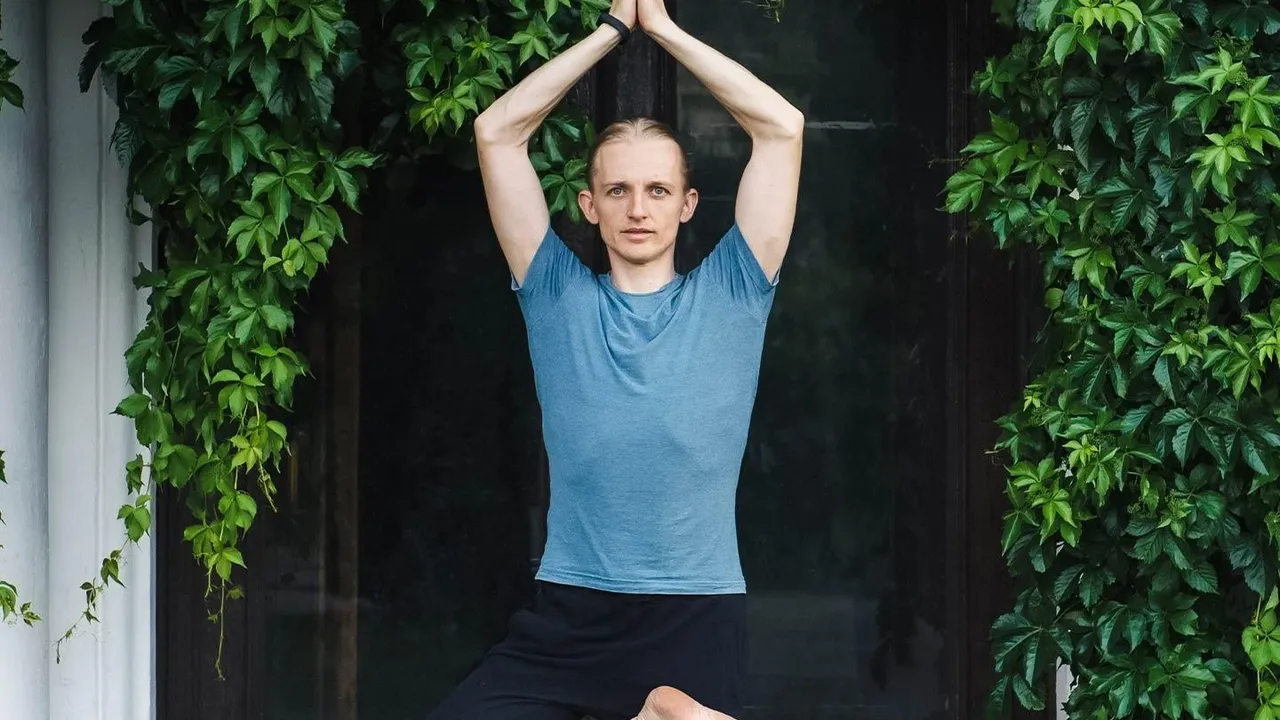
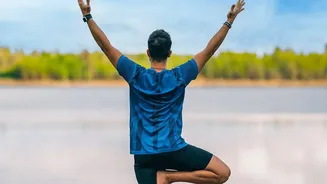
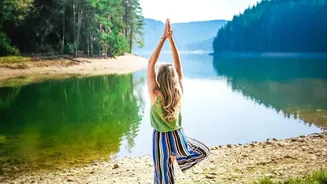
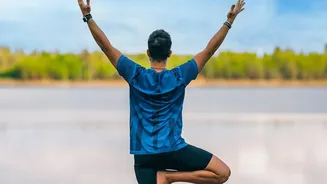
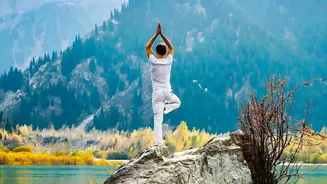
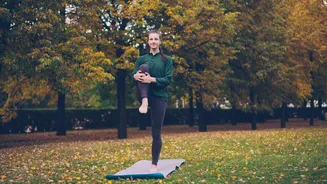
Before exploring hybrids, it's essential to have a solid foundation in the classic Tree Pose. This posture is celebrated for its ability to improve balance, strengthen the legs and core, and enhance mental concentration. To practice, you begin by standing
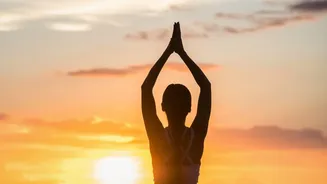
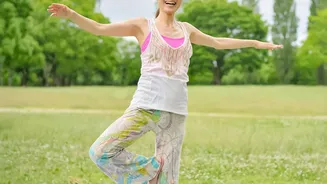
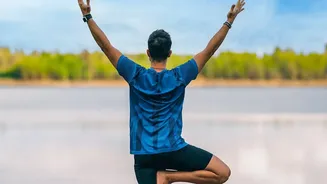
tall in Mountain Pose (Tadasana). Shift your weight onto one foot, ensuring it is firmly grounded. Then, lift the other foot and place its sole on your inner ankle, calf, or thigh, carefully avoiding the knee joint. The key is to create an active press between the foot and the standing leg. This opposition creates stability. Hands can be brought to a prayer position at the heart or extended overhead like branches. A steady gaze, or drishti, on a non-moving point in front of you is crucial for maintaining your balance.
The Twist: Introducing Eagle Pose (Garudasana)
Eagle Pose, or Garudasana, is a powerful posture that involves wrapping the arms and legs, creating compression and a deep stretch. It is renowned for stretching the shoulders and upper back, strengthening the ankles and calves, and demanding intense focus. The 'bind' of the limbs is its signature feature. For the arms, one elbow is crossed over the other, and the hands are brought together. For the legs, one thigh is crossed high over the other, with the foot ideally hooking behind the standing leg's calf. This pose builds strength, enhances joint mobility through compression, and is said to promote mental clarity by requiring complete attention.
Variation 1: Tree Pose with Eagle Arms
This is often the first hybrid variation yogis explore. It combines the stable base of Tree Pose with the upper body opening of Eagle Pose. Start by establishing a strong Tree Pose on your chosen leg. Once you feel stable, with your foot placed firmly on your inner thigh or calf, you can add the arm variation. Extend your arms forward and cross one elbow over the other. Bend the elbows, bringing the backs of your hands or your palms to touch. To intensify the stretch across your upper back and shoulders, gently lift your elbows while drawing your shoulders down and away from your ears. This addition challenges your balance in a new way and offers a significant release for upper body tension.
Variation 2: Tree Pose with Eagle Legs
A more advanced and challenging variation involves incorporating the leg bind of Eagle Pose while in Tree. Begin in Mountain Pose and find your balance on one leg. Instead of opening the other hip out to the side for a traditional Tree, keep the knee facing forward. Cross the raised thigh high over your standing leg, as you would in Eagle Pose. You can keep the toes of the wrapped leg pointed down for balance or, for a deeper challenge, hook the foot behind your standing calf. This variation intensely fires up the muscles of the standing leg and core. Your arms can be in a prayer position, on your hips, or extended out to the sides for counterbalance. This hybrid demands an exceptional level of stability and concentration.
Tips for a Steady and Safe Practice
When exploring these complex balances, safety and mindfulness are paramount. Always move slowly and with control. Finding a fixed focal point (drishti) is one of the most effective tools for maintaining stability. Don't be afraid to use a wall or a chair for support, especially when you are first trying these variations. Keeping a micro-bend in your standing knee can prevent joint strain. Most importantly, listen to your body. If you feel any sharp pain, particularly in the joints, gently release the pose. These variations are a journey, not a destination, and wobbling or falling is a natural part of the learning process.