






The Great Fitness Migration
Not so long ago, ‘getting fit’ meant one thing: getting a gym membership. It was a ritual. You’d pack a bag, navigate traffic, and join the sweaty, determined masses. The pandemic, however, served as a massive catalyst for a change that was already brewing.
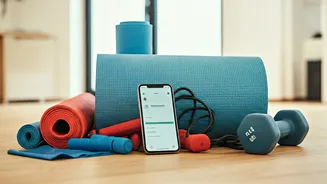
When lockdowns forced gyms to close, millions of Indians were compelled to find alternatives. They rolled out yoga mats in their bedrooms, downloaded fitness apps, and discovered that a world-class workout didn’t require leaving the house. What started as a temporary solution has, for many, become a permanent preference. The convenience and accessibility of home workouts have fundamentally challenged the necessity of a physical gym, creating a lasting shift in our fitness culture.
Convenience Is the New Currency
In bustling Indian cities where commuting can feel like an Olympic sport in itself, the appeal of a zero-travel workout is immense. The time saved from not travelling to and from a gym is a significant lifestyle upgrade. There’s no waiting for the squat rack to be free, no navigating a crowded locker room, and no need to adhere to a gym’s fixed schedule. For busy professionals, new parents, or anyone juggling multiple responsibilities, the flexibility to work out at 6 AM or 10 PM is a game-changer. This hyper-convenience has become the ultimate luxury, making the structured, time-consuming nature of a traditional gym visit seem outdated and inefficient by comparison.
The Rise of the Digital Guru
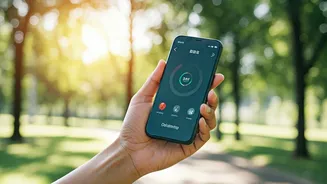
Technology is the engine powering this revolution. A smartphone is now a portal to endless fitness possibilities. Platforms like Cult.fit, YouTube channels, and international apps like Peloton and Apple Fitness+ have democratised access to high-quality instruction. World-class trainers, once accessible only to those who could afford premium personal training, are now available on-demand. These digital platforms offer immense variety—from high-intensity interval training (HIIT) and dance fitness to meditation and restorative yoga. They use algorithms to personalise workout plans and track progress, offering a level of customisation that a generic gym membership often lacks. This has transformed the solitary nature of home workouts into an engaging, data-driven, and highly motivational experience.
The Economic Equation
Let’s talk about the money. A standard gym membership in a metro city can be a significant monthly expense, often running into thousands of rupees. Add to that the cost of travel and the occasional protein shake from the gym’s café, and the numbers add up. In contrast, many home workout options are far more budget-friendly. A one-time investment in a few dumbbells and resistance bands, paired with free YouTube tutorials, can keep you fit for years. Even premium app subscriptions are typically a fraction of the cost of an annual gym membership. For a generation that is increasingly conscious of value and long-term savings, the economic argument for working out at home is compelling and often decisive.
But Is the Gym Truly Dead?
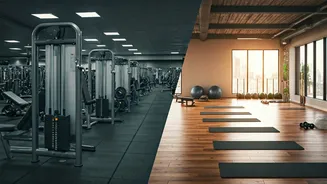
To say home workouts have completely ‘replaced’ gyms would be an overstatement. The gym still offers things that a living room cannot. For serious weightlifters, the sheer variety and weight of equipment at a gym is irreplaceable. More importantly, gyms provide a sense of community and shared energy that many people thrive on. The motivation that comes from working out alongside others, the friendly competition, and the real-time feedback from a trainer are powerful forces. Rather than dying, the gym is evolving. The smartest facilities are leaning into their strengths, focusing on building strong communities, offering specialised classes, and creating experiences that can’t be replicated digitally. The future isn't a simple replacement, but a rebalancing.