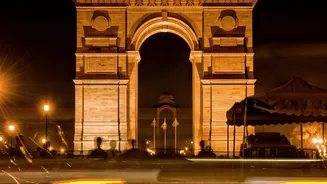



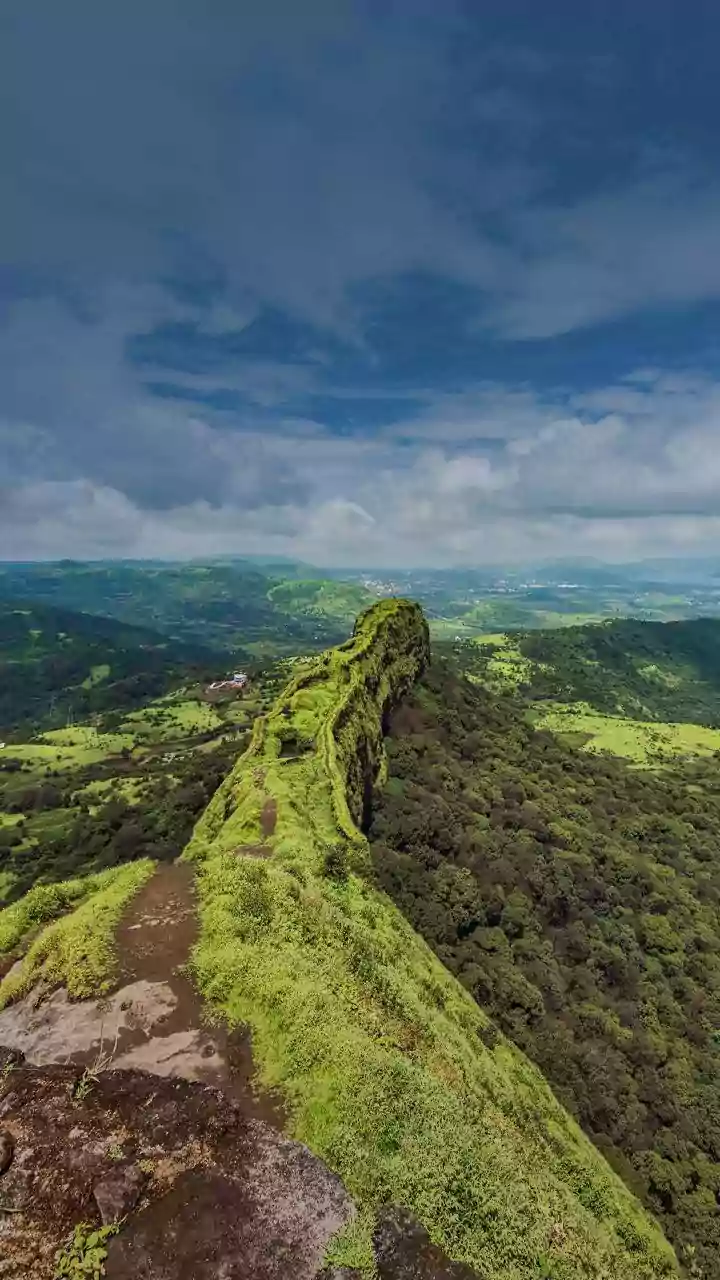
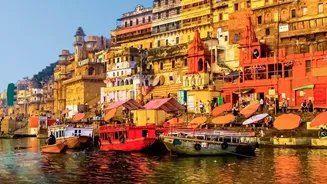

The Allure of the Unseen India
Recent trends show a significant shift in how Indian travellers explore their own country. A growing number are moving beyond the well-trodden Golden Triangle, seeking deeper connections with local heritage and traditions. This has sparked a boom in culture-led
travel to Tier-2 and Tier-3 towns and rural areas, from the Himalayan valleys of Uttarakhand to the artisan villages of Rajasthan and the serene backwaters of Kerala. Unlike a typical holiday, a culture-led trip is built around experiences: attending a local festival like Durga Puja, learning a traditional craft, staying in a family-run homestay, or exploring regional cuisine. These journeys offer a more intimate and meaningful way to see India, but they require a different approach to planning.
Why Haste Makes Perfect Sense
Spontaneity has its charms, but when it comes to offbeat cultural travel, early planning is your most valuable tool. The most sought-after experiences in these regions—unique homestays, heritage properties, and expert local guides—are limited in number. Booking months in advance doesn't just guarantee you a spot; it gives you access to the best options before they are snapped up. Last-minute planning often means settling for what's left, which may not be the authentic experience you were hoping for. Furthermore, booking transport like flights and trains well ahead of time can lead to significant cost savings, freeing up your budget for more experiences on the ground. Early booking provides a wider choice of everything from room types with the best views to convenient travel times.
Locking in Authentic Experiences
The heart of culture-led travel lies in participation, not just observation. Imagine learning pottery from a master artisan, taking a culinary class in a family kitchen, or having a reserved seat at a vibrant local festival. These are often small-scale, intimate events with limited capacity. Waiting until the last minute almost guarantees you'll miss out. For example, festival tourism is a powerful driver for travel, with a high percentage of travellers planning trips specifically for events like Ganesh Chaturthi or Navratri Garba. These festivals cause a surge in demand for transport and accommodation, making advance booking essential to avoid disappointment and inflated prices. By planning early, you can structure your itinerary around these cornerstone experiences, ensuring your trip is as immersive as you envision.
Building a Connection, Not Just a Itinerary
One of the most overlooked benefits of booking early is the opportunity it provides for connection. When you book a homestay or a local guide in advance, you open a channel for communication. This allows you to ask questions, share your interests, and get personalized recommendations. Your host might tell you about a local market not in any guidebook or a special ceremony taking place during your visit. This dialogue transforms your trip from a standard booking into a collaborative experience. It creates a sense of anticipation and helps you arrive not as a stranger, but as a welcome guest. This connection is the essence of sustainable and responsible tourism, fostering a deeper respect for the local culture you've come to experience.
Your Early Booking Checklist
To make the most of your culture-led adventure, follow a structured approach. Start your planning at least three to six months in advance, especially for popular seasons or festivals. 1. Research and Finalise Dates: Identify the region and the specific cultural experiences you're interested in. Timing is crucial; the best season for the Himalayas differs greatly from that for the South. 2. Book Transport First: Secure your long-distance travel, like flights or trains, as soon as your dates are firm. Prices for these rise steeply closer to the travel date. 3. Secure Unique Accommodation: Characterful homestays, heritage hotels, and boutique stays are the first to fill up. Use specialised portals or contact hosts directly to book your preferred lodging. 4. Arrange Guides and Activities: Contact and book specialist local guides, workshops, or festival passes. These are often the elements that make the trip unforgettable and have the most limited availability.