





Start with the Exterior: Roof and Walls
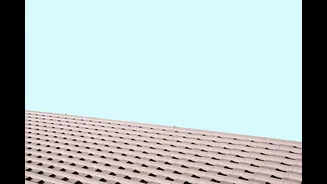
Your home's first line of defence against the rains is its exterior. Begin your inspection by walking around the property. Look for cracked, lifted, or missing roof tiles. Use binoculars for a safer, closer look from the ground. Pay special attention
to areas where surfaces meet, like around chimneys or vents, as these are common weak points. Inspect exterior walls for new cracks in the plaster or peeling paint, which can indicate water has seeped in. Finally, check your gutters and drainage pipes. They should be clear of leaves and debris to ensure water is channelled away from your foundation. Clogged drains can cause water to overflow and saturate your walls and foundation, leading to significant problems.
Check for Dampness and Mould Inside
Once inside, use your senses. A persistent musty or earthy smell is a major red flag for hidden mould, even if you can't see it. Visually inspect walls and ceilings, particularly in corners, behind furniture, and inside wardrobes. Look for dark or discoloured patches, bubbling or peeling paint, and soft or bulging spots on the drywall. These are classic signs that water has penetrated the surface. Run your hand along walls; any change in texture or a spongy feel suggests moisture is trapped behind the paint. Addressing dampness promptly is essential, as mould can cause health issues and structural damage.
Inspect Wooden Furniture and Fixtures
The high humidity of the monsoon season makes wooden items particularly vulnerable. Swollen doors that are difficult to close, warped wardrobes, and a hollow sound when you tap on wooden furniture are all signs of moisture damage. The damp conditions also create a perfect breeding ground for termites. Subterranean termites are activated by moisture in the soil and become more active during and after the rains. Check for their tell-tale mud tubes along the base of walls, skirting boards, and wooden furniture. It's also a good time to clear out any cardboard boxes from storage areas, as they attract pests.
Prioritise Electrical Safety
Water and electricity are a dangerous combination, and post-monsoon electrical checks should never be skipped. If any part of your home experienced flooding or significant leaks, it is crucial to have a professional electrician inspect the system before use. Water exposure can cause corrosion inside outlets, switches, and circuit breakers, creating a serious risk of shock or fire, even after the components appear dry. Any circuit breakers, outlets, or switches that were submerged in water must be replaced, not just dried out. Be vigilant for any flickering lights or a burning smell from switchboards, and call a professional immediately if you notice anything unusual.
Address Pest Control Proactively
The monsoon season often forces pests to seek shelter indoors. Cockroaches from flooded drains, ants evacuating their nests, and rodents displaced by waterlogged ground all try to make their way into homes. Seal any cracks or gaps in your external walls, especially near the ground and around pipe entry points, to block their entry. Check that any mesh on windows and doors is intact. The end of the monsoon is also a crucial time to eliminate any standing water in your compound, balconies, or on the terrace, as these are breeding grounds for mosquitoes that spread diseases like dengue.